



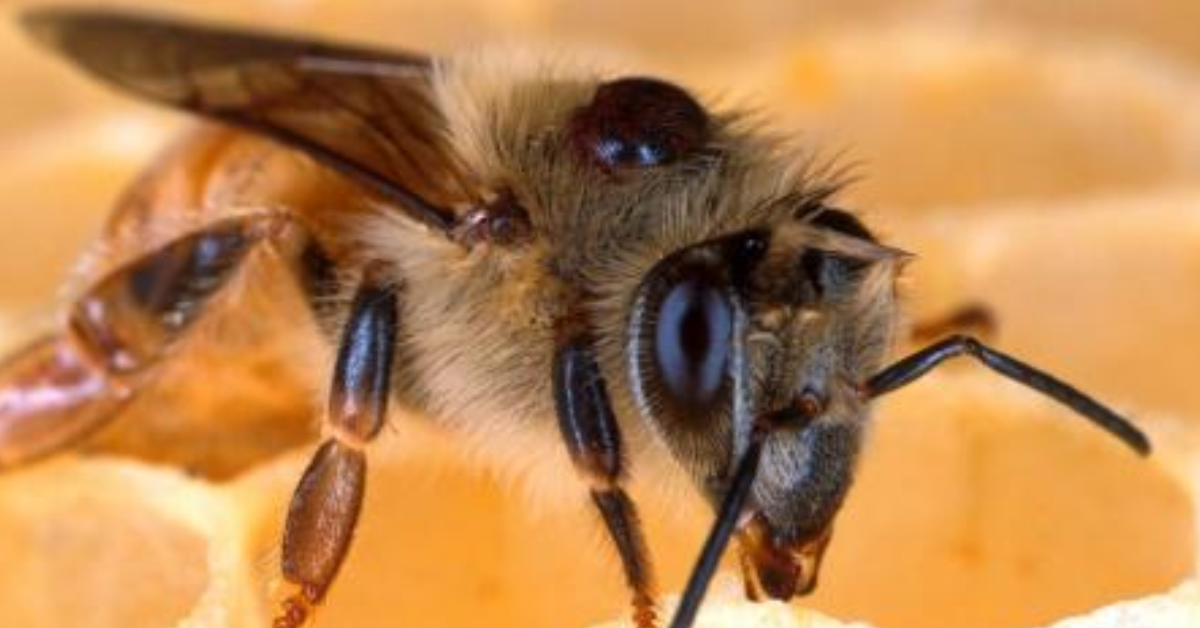
A treatment-resistant super-mite is aggressively wiping out local honeybee populations and forcing suburban beekeepers to abandon their livelihoods as the devastation rapidly spreads into community backyards across Brisbane neighbourhoods like Ascot.
The Silent Collapse
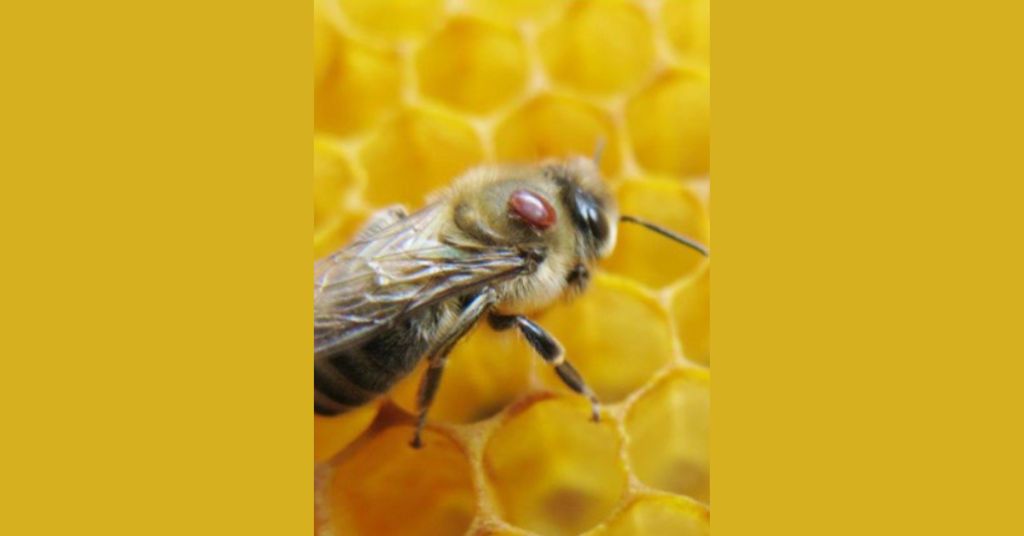
As of recent months, the crisis has accelerated dramatically. The varroa mite, a tiny parasite that attacks European honey bees, now ignores standard chemical defences. Synthetic pyrethroids and amitraz-based miticides are completely failing. Weakened colonies are subsequently overrun by small hive beetles. These scavengers destroy the remaining wax and leave behind a fermented sludge.


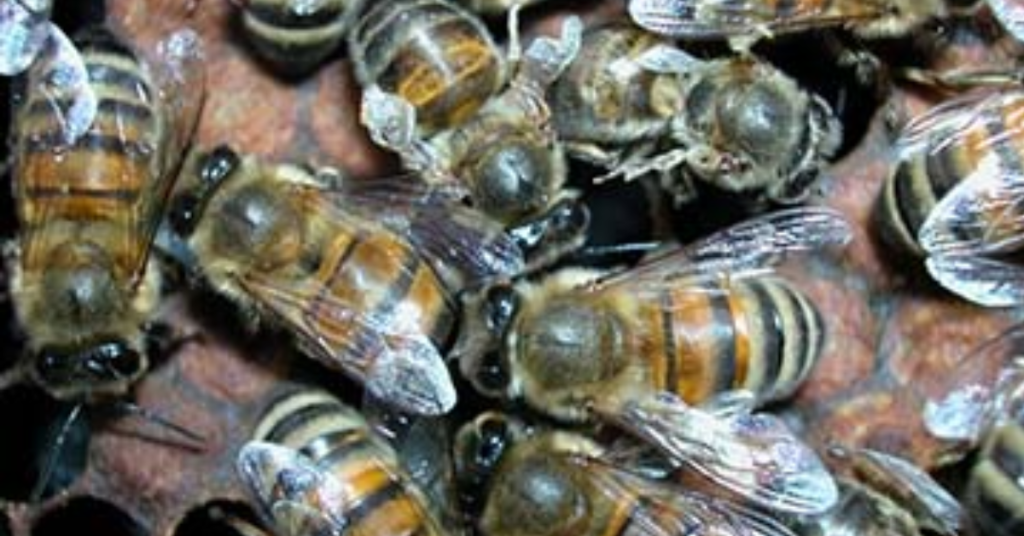
Could the beloved backyard beehive become a thing of the past? Commercial apiarists have observed that roughly 90 per cent of managed colonies and nearly all wild hives have already collapsed. Local hobbyists are watching their entire apiaries fail overnight, transforming thriving hives into empty wooden boxes.
Crushing Costs for Keepers
The financial toll is staggering. Keepers must now rotate labour-intensive organic treatments, such as oxalic acid strips and thermal vapourisers, just to keep the insects alive. Small business owners face thousands of dollars in extra monthly expenses. Large commercial operators are bleeding hundreds of thousands of dollars to treat hives and sterilise infected equipment.

Industry veterans note that applying overseas treatment methods to Australian conditions is simply not working. Frustration is mounting within the community. State agricultural authorities have ruled out direct financial relief. Instead, officials are organising industry roundtables to discuss long-term solutions while advising operators to maintain current regimens.

A Looming Agricultural Disaster
What happens to local food supplies when the primary pollinators vanish? The ripple effects extend far beyond suburban honey production. Major horticultural industries rely heavily on these insects to grow avocados, mangoes, macadamias, and almonds. Recent modelling predicts a massive shortfall of nearly 300,000 hives across multiple states during the critical August pollination window.
Almond growers are already preparing for severe hive shortages as the parasite decimates commercial stocks. Researchers stress that coordination between farmers and apiarists has never been more urgent.


Funding the Fight
By July 2026, authorities recorded over 2,200 infested premises across the region. To combat the spread, the state government launched the Community Bee Innovation Fund. This grant programme distributed half a million dollars across 16 grassroots projects last year.
These community-led initiatives focused on in-field training, digital monitoring tools, and grower workshops. While no further funding rounds are currently planned, a glimmer of hope remains on the horizon. Researchers in New Zealand are actively developing a new biopesticide that uses genetic technology to render the mites infertile. However, this potential lifesaver remains up to two years away from reaching Australian shores.
Published Date 19-August-2026