



For families living hours away from the nearest specialist doctor, a medical crisis in the outback triggers a complex race against the clock that relies heavily on emergency flights landing at Brisbane Airport.
The Human Chain Behind Every Outpost Rescue
Imagine living thousands of kilometres from the nearest major hospital when a sudden medical emergency strikes a regional community. Survival often hinges on an intricate relay race: a local bush nurse stabilising a patient, a road ambulance navigating unsealed red dirt roads, and an emergency flight tracking through the night sky toward Brisbane Airport.


Behind those lonely midnight flights are coordinators, dispatchers, and air crews trying to stitch together fragmented pieces of a massive regional health network.
Bringing Disconnected Crews Under One Roof
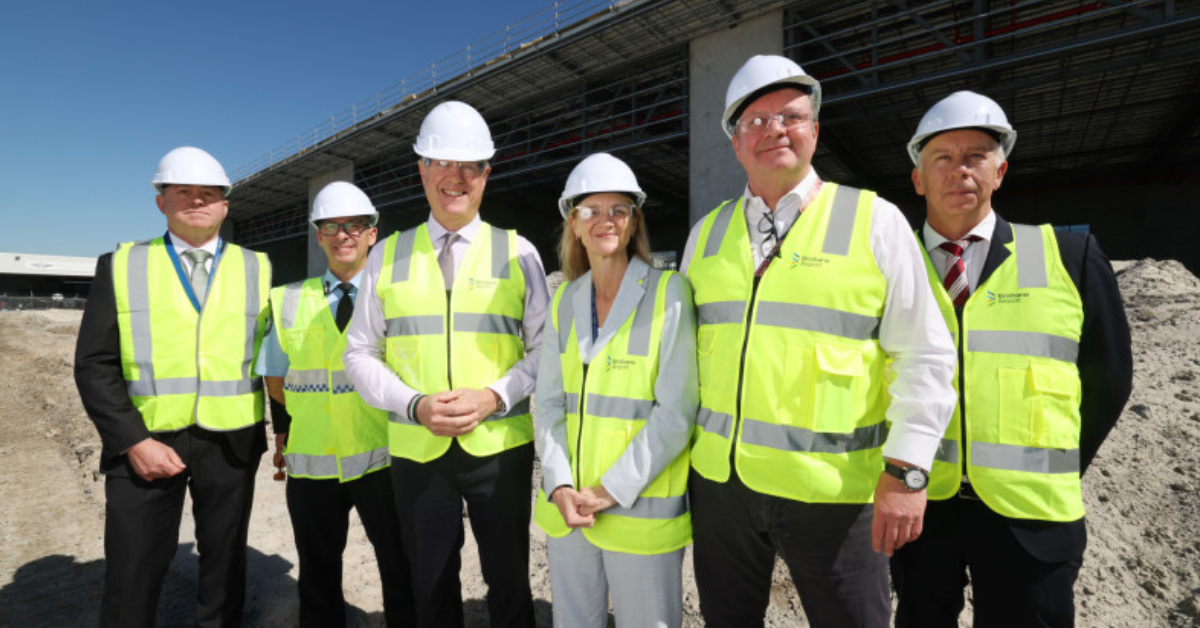
For decades, the vital agencies handling these rescues operated from isolated pockets across the airfield. That operational barrier is finally crumbling. Construction crews managing the massive new Aeromedical Precinct have officially crossed the halfway milestone on the sprawling site wedged between the airport’s two parallel runways.

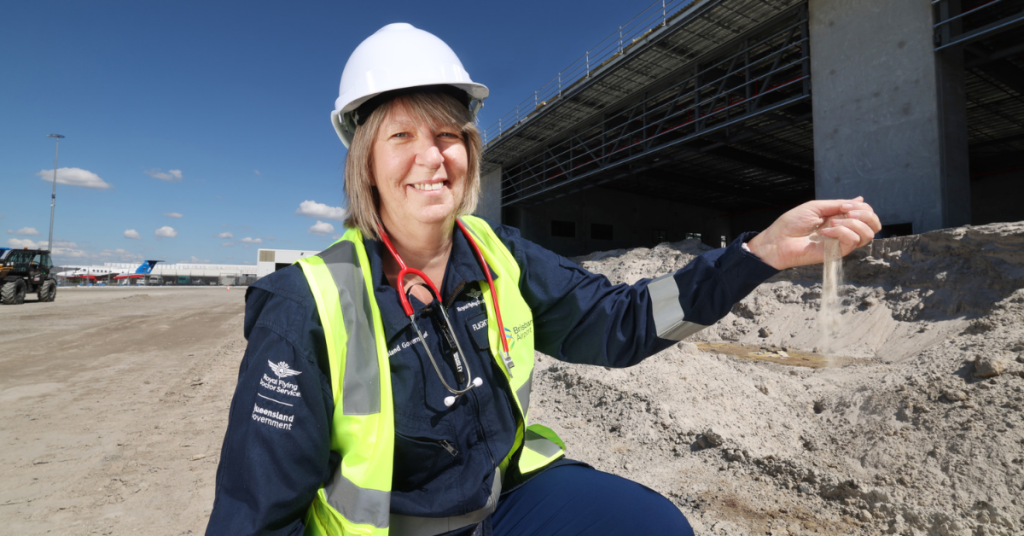
Around 150 builders and contractors are currently shaping the grounds, which will soon house the Royal Flying Doctor Service, LifeFlight, Retrieval Services Queensland, and the Queensland Police Service Aviation Capability Group. Sharing a single fence line means dispatchers and medical teams can coordinate face-to-face rather than juggling phone calls across town while precious minutes tick away.

Engineering a Sustainable Lifeline
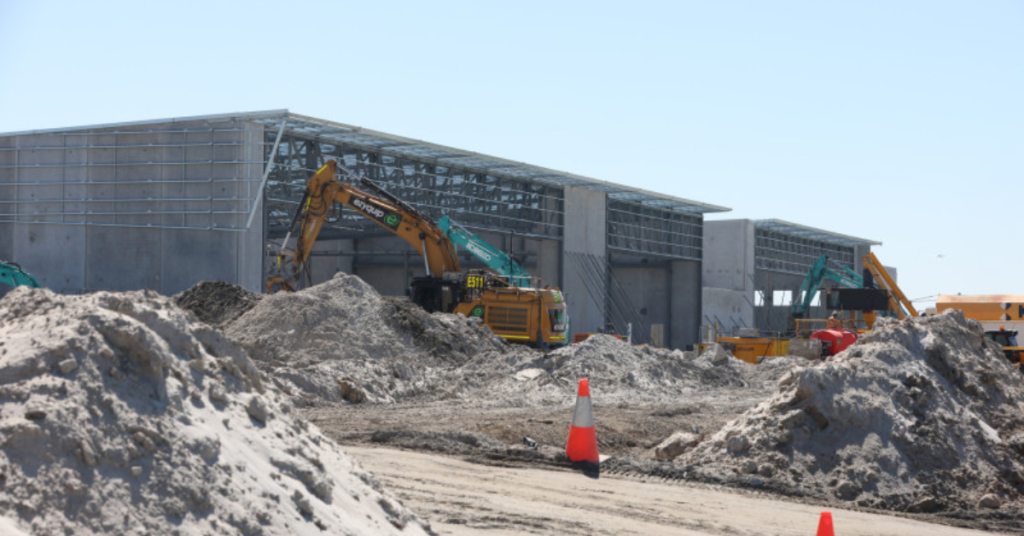
Building a 24-hour emergency hub requires more than just pouring concrete and parking jets. Planners designed the facility to secure a 5 Star Green Star rating, integrating a heavy-duty 400kW solar system to offset the massive energy demands of round-the-clock life-support tracking and aviation hangars. Beyond the eco-friendly footprint, the layout prioritises seamless patient handoffs.
A dedicated transfer centre sits at the heart of the complex, purpose-built to eliminate the clunky logistics of moving vulnerable patients safely between fixed-wing aircraft, rescue choppers, and road ambulances.
The Reality of Regional Demand
The scale of daily need driving this construction becomes starkly clear when looking at recent retrieval tallies. Over a single twelve-month stretch, the Royal Flying Doctor Service alone completed 7,207 patient journeys connecting sixty remote, rural, and regional towns straight to city care.


Meanwhile, Brisbane-based LifeFlight helicopter teams aided 603 individuals, with jet crews stepping in to transport another 405 people. Those figures represent thousands of families whose lives were altered by a timely flight.
The Road to 2027
With the heavy structural work now past its midpoint, the countdown is well underway toward a full launch next year. While governments manage the long-term operational backing and the airport handles the physical build, the ultimate measure of success won’t be found in the concrete or the solar panels. It will be measured in the quiet relief of regional families knowing their lifeline to the city just got a little bit faster.
Published Date 03-September-2026