



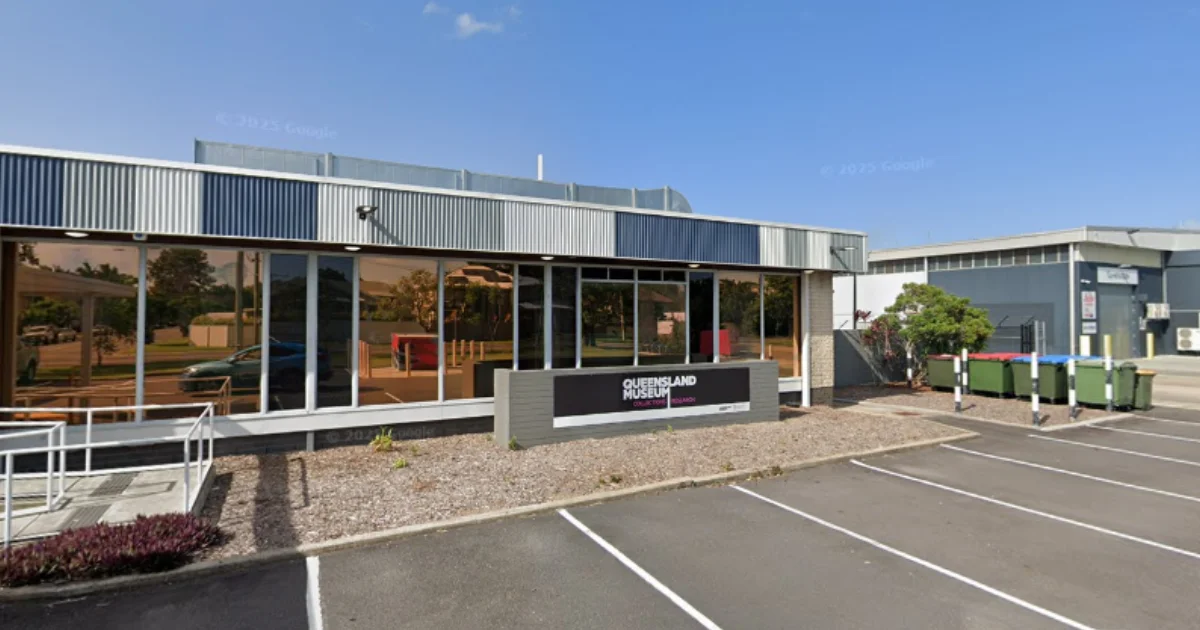
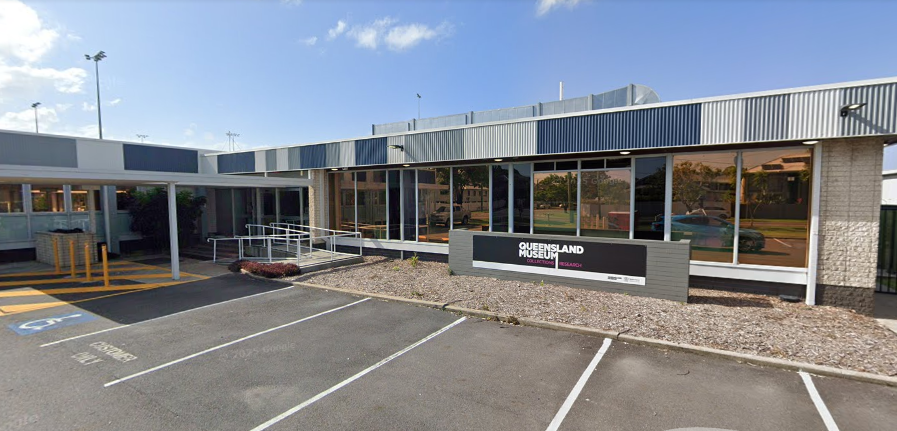
In a purpose-built warehouse at the Queensland Museum in Hendra, young archaeology students are hunched over fragments of Brisbane’s past that were violently dislodged by the 2011 floods, piecing together a puzzle that began with disaster.
Read: Albion Schoolboy’s 1958 Fossil Find Confirmed as Australia’s Oldest Dinosaur Footprint
Emily Totivan, 19, wears blue plastic gloves as she carefully assembles ceramic shards in the Queensland Museum’s Collections and Research Centre. The fragments once formed dinner plates used by Brisbane residents more than 150 years ago, decorated with intricate blue and white Chinese-inspired patterns that were wildly popular in colonial Queensland.
These aren’t treasures carefully excavated from a planned archaeological dig. They’re survivors of an extraordinary rescue mission that began during Brisbane’s catastrophic 2011 floods, when a burst water main on William Street sent tens of thousands of historical artefacts cascading past the convict-built Commissariat Store, one of Queensland’s oldest buildings.
As emergency crews worked to restore access to one of the city’s major streets, the University of Queensland Archaeological Services Unit faced a race against time to salvage what they could before the road reopened. The result is what’s now known as the William Street assemblage, a collection of everyday objects from the 1870s to 1890s that offers an intimate glimpse into early Brisbane life during its transformation from penal settlement to thriving river port capital.
Among the recovered items are clay pipes and rum bottles, ceramic dolls and a bone toothbrush, and even a chamberpot. These objects tell stories of the ordinary people who built the city—fragments of lives that might otherwise have been lost forever beneath the bitumen.
For fellow student Elisha Kilderry, the experience of handling these artefacts is surreal. She’s piecing together a geometric viridian green chamberpot once used by people who lived on the same streets she walks today.
Initially, Kilderry imagined her archaeology career would take her to Europe or remote Indigenous cultural heritage sites. Instead, she finds herself engrossed in the quotidian details of colonial Brisbane life.
The timing of this cataloguing work couldn’t be more relevant for Brisbane. As the city prepares for the 2032 Olympics, Queensland Museum archaeology curator Nick Hadnutt says the city is on the brink of a boom in salvage archaeology. Massive infrastructure projects—including the proposed 63,000-seat stadium at Victoria Park, a site heritage-listed for its rich Indigenous, colonial and multicultural history—will churn up vast amounts of soil, potentially revealing countless more fragments of Brisbane’s past.
University of Queensland lecturer Dr Caitlin D’Gluyas organised the first hands-on cataloguing experience for students this January, with many more applicants than available positions. She says the collaborative nature of archaeology creates unique bonds between participants.
While the William Street objects hold limited scientific value due to their violent dislodgement—the archaeological context that usually provides crucial information was destroyed by the flood—they were acquired by the museum for more emotive reasons.
One particularly poignant artefact demonstrates this tangible connection to the past: a small ink bottle from the heritage-listed government printing house. It still contains a dash of ink—an exquisite midnight shade—last used over a century ago, perhaps to print an act of parliament. When students used a paper towel to clean it, the ancient ink still stained the cloth.
For student John Duckett, 21, from Rockhampton, who previously volunteered on a Bronze Age brewery dig in Norfolk, England, there’s something irreplaceable about this physical connection to history.
As Brisbane transforms for its Olympic future, these students are working against the clock to preserve fragments of its colonial past. With major infrastructure projects looming, the question isn’t whether more historical treasures will be unearthed—it’s whether we’ll be ready to catch them when they surface.
Read: Hendra Residents Challenge Mega Childcare Centre on Flood-Prone Site
The lesson from William Street is clear: Brisbane’s history lies waiting beneath our feet, vulnerable to the next flood, the next burst pipe, or the next stadium excavation. In Hendra, a dedicated team is ensuring that when those fragments emerge, they won’t be lost to time.
Published 12-February-2026