



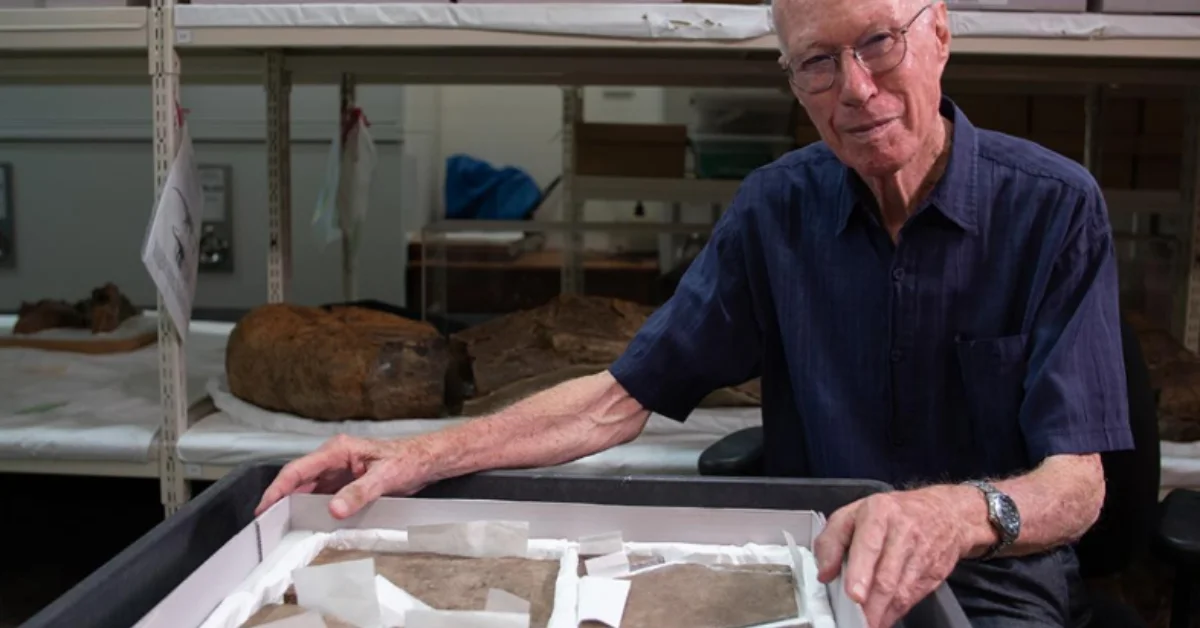
A dinosaur footprint collected by a schoolboy at a quarry in Albion in 1958 has been confirmed as Australia’s oldest known dinosaur trace fossil, reshaping understanding of the country’s prehistoric timeline and securing a lasting scientific legacy for the suburb.
The Find at Albion
In 1958, Professor Bruce Runnegar, then a Brisbane Grammar School student, visited Petrie’s Quarry at Albion with school friends and removed a slab of fine-grained shale bearing a clear footprint impression. Born in Brisbane, Professor Runnegar was already familiar with the quarry through earlier fossil-hunting visits.


At the time, the markings were suspected to be dinosaur tracks, but no formal study followed. No photographs or measurements were taken, and the slab was removed from a newly exposed track surface without documentation. In subsequent decades, residential development rendered the original quarry site permanently inaccessible, eliminating any opportunity to revisit the footprint in situ.
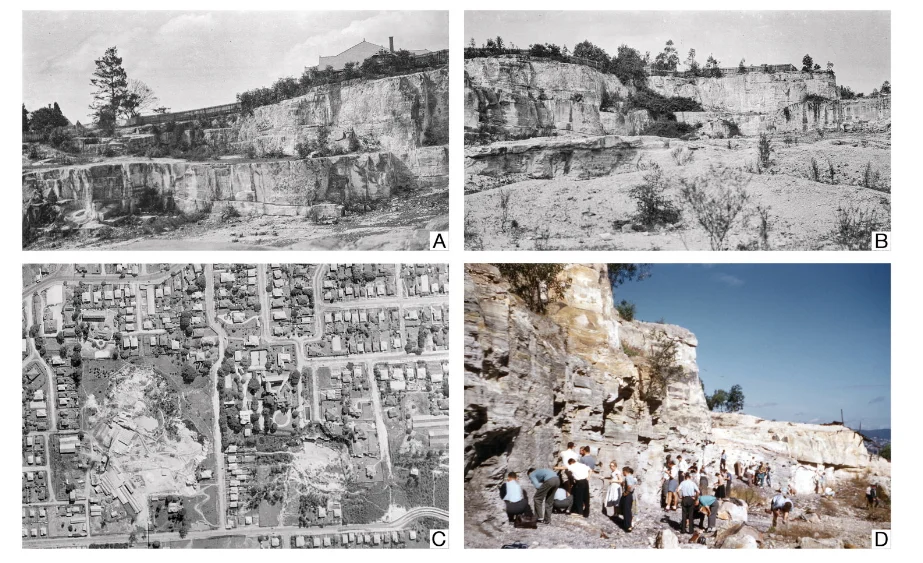
Photo Credit: Alcheringa: An Australasian Journal of Palaeontology
Albion’s Geological Setting
Long before Albion became a residential inner-north suburb, the area was defined by prominent sandstone bluffs and extensive quarrying. Petrie’s Quarry was worked from the nineteenth century and was known among geologists for its Triassic rock layers and fossilised plant material.

The quarry cut through the Aspley Formation, a Late Triassic geological unit dating to around 230 million years ago. Sandstone extracted from the site was later used in construction across Brisbane, embedding material from Albion’s deep geological past into the city’s built environment. By the mid-twentieth century, the quarry remained accessible to students and amateur collectors, even as urban development expanded around it.

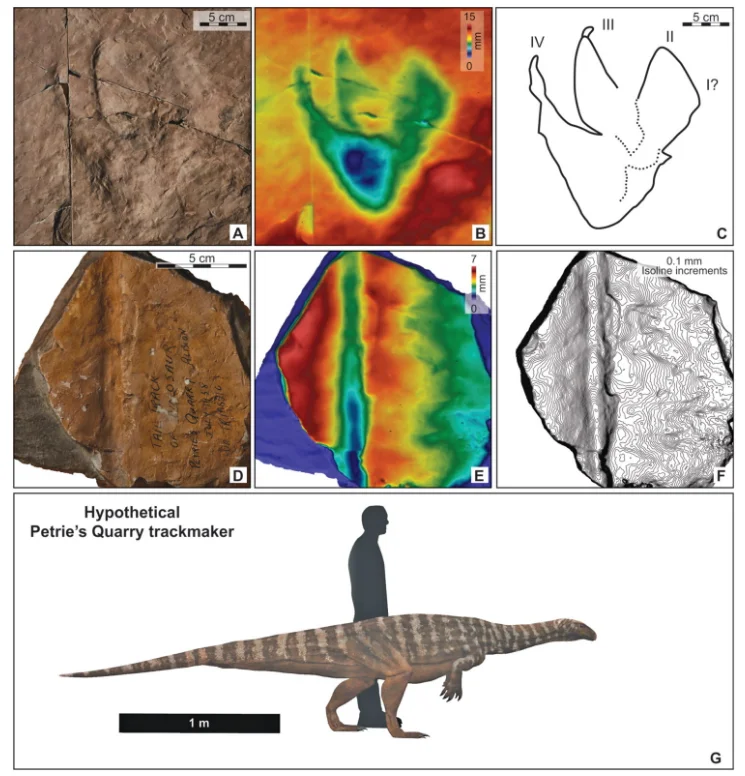
Photo Credit: Alcheringa: An Australasian Journal of Palaeontology
From Schoolboy to Scientist
The fossil remained in Professor Runnegar’s care for decades. He went on to study at The University of Queensland, before building an academic career that included teaching and research positions at the University of New England in Armidale and later at the University of California, Los Angeles. Throughout that time, the Albion footprint travelled internationally as part of his teaching collection.
Now 85, Professor Runnegar is a UQ Honorary Professor and a co-author of the research that formally documented the fossil. The continuity between the schoolboy who collected the footprint and the academic who later helped describe it underpins the specimen’s eventual recognition.
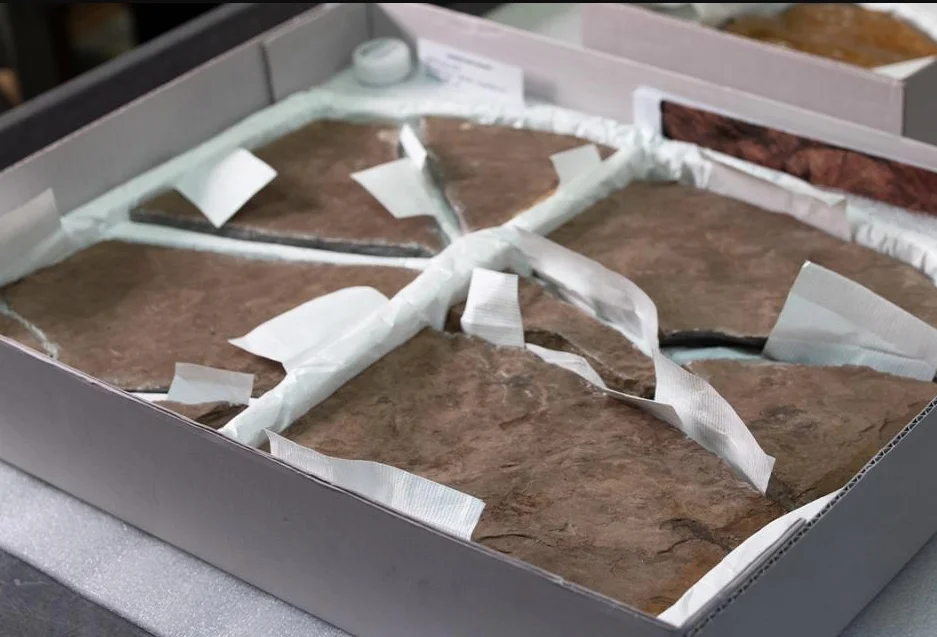
Photo Credit: The University of Queensland
Formal Scientific Recognition
The footprint was formally examined decades later by Dr Anthony Romilio, a palaeontologist with the Dinosaur Lab at The University of Queensland. Using modern digital documentation and analytical techniques, the specimen was studied in detail for the first time.


The analysis confirmed the footprint dates to the Carnian stage of the Late Triassic period, approximately 230 million years ago, and originates from the Aspley Formation. This places the track significantly earlier than any previously confirmed dinosaur evidence in Australia, establishing it as the earliest known dinosaur trace fossil in the country.
The footprint measures 18.5 centimetres and preserves the impression of a small, two-legged dinosaur consistent with an early sauropodomorph, a primitive relative of later long-necked dinosaurs. Modelling indicates the animal stood about 75 to 80 centimetres at the hip, weighed roughly 140 kilograms, and was capable of relatively fast movement for its size.
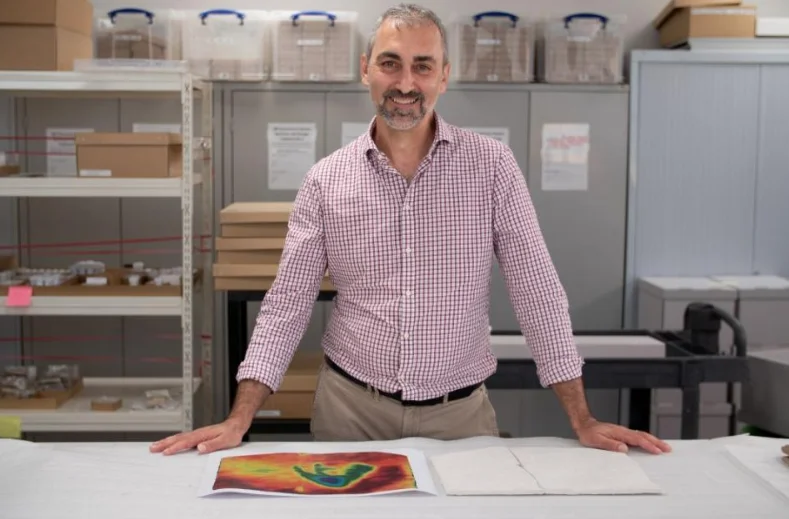
Photo Credit: The University of Queensland
Albion’s Enduring Legacy
The research established the footprint as the first confirmed dinosaur fossil found within an Australian capital city. With Petrie’s Quarry long redeveloped, the specimen represents the only surviving dinosaur evidence from that Albion locality.
The fossil is now housed at the Queensland Museum, where it is available for ongoing research. The formal scientific description was published in Alcheringa: An Australasian Journal of Palaeontology in February 2026.
What began as an undocumented schoolboy discovery at an Albion quarry has since become a foundational reference point in Australia’s dinosaur history, linking a small inner-Brisbane suburb to one of the earliest chapters of life on the continent.
Published 3-Feb-2026