




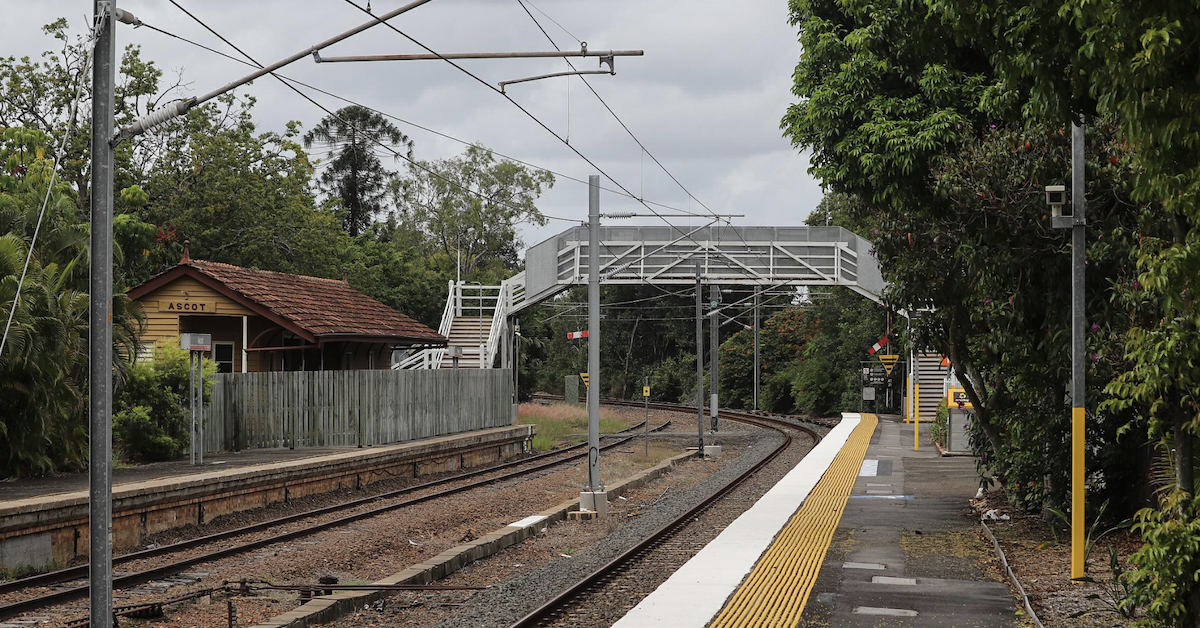
Ascot Station recorded the lowest number of passenger boardings among Brisbane stations in the published 2024–25 patronage figures, with 25,566 boardings over the financial year.
To put that into perspective, Brisbane’s bustling heartbeat, Central Station, pulled in more than 9.8 million boardings in the same period. While Central buzzed with thousands of commuters every hour, Ascot averaged a sleepy 70 boardings a day.


But raw numbers make for a dry story. Look past the sleepy platforms and empty ticket barriers, and you will find a station that remains a beloved piece of local history, still delivering residents straight into the Brisbane CBD.
A Quiet Platform with a Steady Pulse
Tucked away on the Doomben line, Ascot Station serves Brisbane’s leafy inner-north-east. It might not have the frantic rush of other hubs, but it is far from abandoned.

According to current Translink timetables, trains still roll through Ascot every weekday, generally arriving every 30 minutes. It is part of a tight-knit trio of local stops; Hendra is a mere 900-metre stroll down the road, and Doomben sits just 1.2 kilometres away, giving locals plenty of options to catch a ride.

While it might sit at the bottom of the patronage ladder, Ascot remains a reliable, clockwork part of Brisbane’s daily commute.
Built for the Sport of Kings
Ascot’s railway story began long before the era of modern tap-on cards and morning grinds.
The tracks first reached the suburb in 1882, born out of a passionate push by the Brisbane Turf Club to ferry eager punters to the nearby Eagle Farm Racecourse. Originally christened “Racecourse Railway Station,” it was renamed Ascot in 1897—the very same year the line pushed further down the track to Pinkenba.



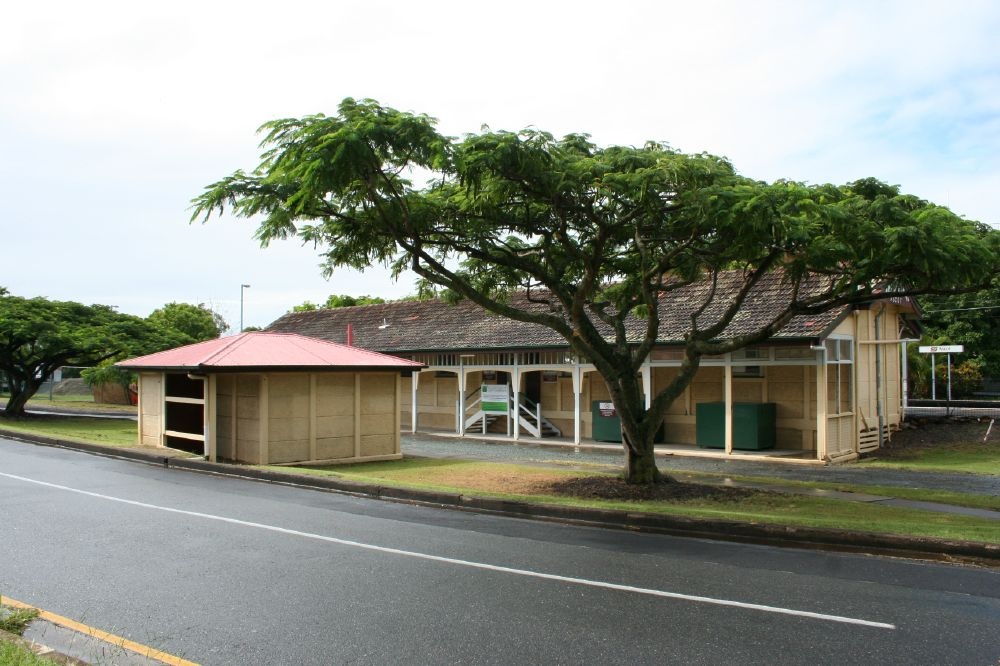
Walk onto the platform today, and that rich history is written in the timber and steel. The precinct is a living museum, boasting historic railway buildings and vintage signalling gear that span more than a century of Brisbane’s rail evolution.
A Heritage Jewel in Brisbane’s Crown
Ascot is much more than a quiet spot to wait for the train—it is a protected piece of Queensland’s soul.
In 2004, both Ascot Station and the adjacent Eagle Farm Racecourse earned a proud spot on the Queensland Heritage Register, cementing their roles in the state’s transport and racing folklore.
Step onto the platform and you will spot:
- Charming historic station buildings that feel a world away from modern concrete platforms.
- Classic semaphore signals standing tall against the sky.
- A mechanically interlocked signal cabin—a beautifully complex piece of old-school engineering that the Queensland Heritage Register notes was once the backbone of the network, but is now an incredibly rare sight.
This heritage listing does not just look back at the past; it ensures that any future upgrades will respect and protect the station’s unique character.
Passenger Numbers Tell Only One Part of the Story
Passenger statistics are great for spreadsheets, but they do not capture the soul of a suburb.
Ascot Station might have officially recorded the quietest year on Brisbane’s rail network, but its value is not measured in turnstile clicks. It represents a 140-year-old link to the city’s past, a gorgeous local landmark, and a reliable connection for the locals who call the suburb home.
In the end, Ascot proves that some stations are worth far more than the sum of their passengers.
Published 14-July-2026




.jpg)