

Brisbane Airport Aeromedical Hub Reaches Halfway Mark Toward 2027 Launch

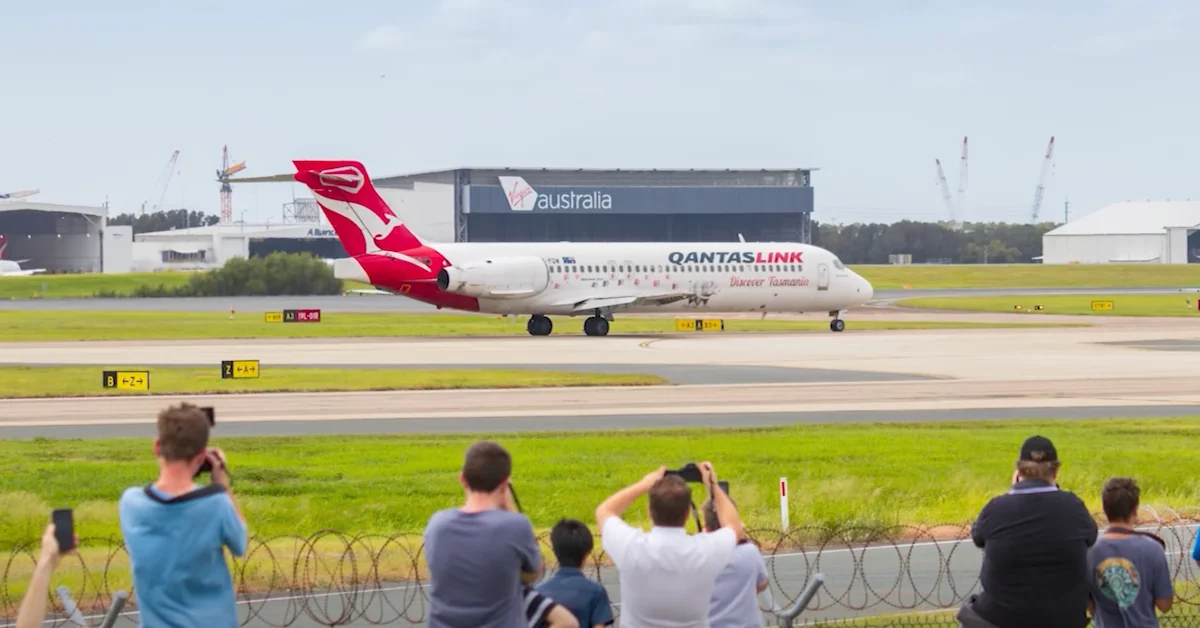
For families living hours away from the nearest specialist doctor, a medical crisis in the outback triggers a complex race against the clock that relies heavily on emergency flights landing at Brisbane Airport.


The Human Chain Behind Every Outpost Rescue

Brisbane Airport
Photo Credit: Brisbane Airport

Imagine living thousands of kilometres from the nearest major hospital when a sudden medical emergency strikes a regional community. Survival often hinges on an intricate relay race: a local bush nurse stabilising a patient, a road ambulance navigating unsealed red dirt roads, and an emergency flight tracking through the night sky toward Brisbane Airport. 

Behind those lonely midnight flights are coordinators, dispatchers, and air crews trying to stitch together fragmented pieces of a massive regional health network.

Bringing Disconnected Crews Under One Roof

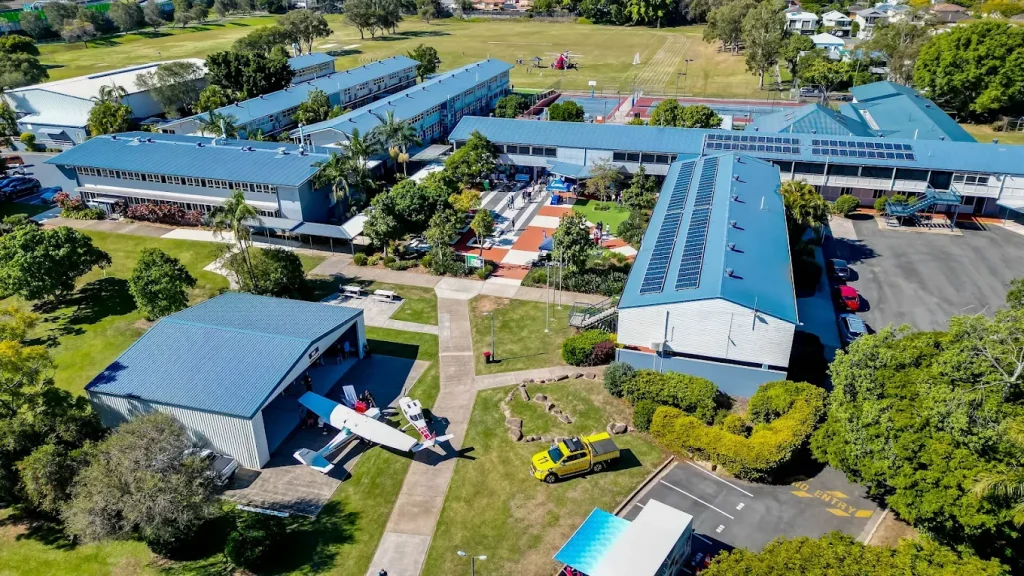
For decades, the vital agencies handling these rescues operated from isolated pockets across the airfield. That operational barrier is finally crumbling. Construction crews managing the massive new Aeromedical Precinct have officially crossed the halfway milestone on the sprawling site wedged between the airport’s two parallel runways. 

Around 150 builders and contractors are currently shaping the grounds, which will soon house the Royal Flying Doctor Service, LifeFlight, Retrieval Services Queensland, and the Queensland Police Service Aviation Capability Group. Sharing a single fence line means dispatchers and medical teams can coordinate face-to-face rather than juggling phone calls across town while precious minutes tick away.

Engineering a Sustainable Lifeline

Brisbane Airport
Photo Credit: Brisbane Airport

Building a 24-hour emergency hub requires more than just pouring concrete and parking jets. Planners designed the facility to secure a 5 Star Green Star rating, integrating a heavy-duty 400kW solar system to offset the massive energy demands of round-the-clock life-support tracking and aviation hangars. Beyond the eco-friendly footprint, the layout prioritises seamless patient handoffs. 

A dedicated transfer centre sits at the heart of the complex, purpose-built to eliminate the clunky logistics of moving vulnerable patients safely between fixed-wing aircraft, rescue choppers, and road ambulances.

The Reality of Regional Demand

The scale of daily need driving this construction becomes starkly clear when looking at recent retrieval tallies. Over a single twelve-month stretch, the Royal Flying Doctor Service alone completed 7,207 patient journeys connecting sixty remote, rural, and regional towns straight to city care. 

Meanwhile, Brisbane-based LifeFlight helicopter teams aided 603 individuals, with jet crews stepping in to transport another 405 people. Those figures represent thousands of families whose lives were altered by a timely flight.


The Road to 2027

With the heavy structural work now past its midpoint, the countdown is well underway toward a full launch next year. While governments manage the long-term operational backing and the airport handles the physical build, the ultimate measure of success won’t be found in the concrete or the solar panels. It will be measured in the quiet relief of regional families knowing their lifeline to the city just got a little bit faster.

Published Date 03-September-2026

Brisbane Airport’s First Costco To Bring Jobs, Fuel And New Shopping 

A 51-hectare stretch of Brisbane Airport opposite the International Terminal is beginning to change, with the city’s first Costco set to bring about 250 full-time jobs, a fuel station and a new place to shop and eat when it opens in late 2029.


The Costco warehouse will be the first Brisbane City location for the members-only retailer, adding to its existing Queensland stores at North Lakes, Bundamba and Coomera.

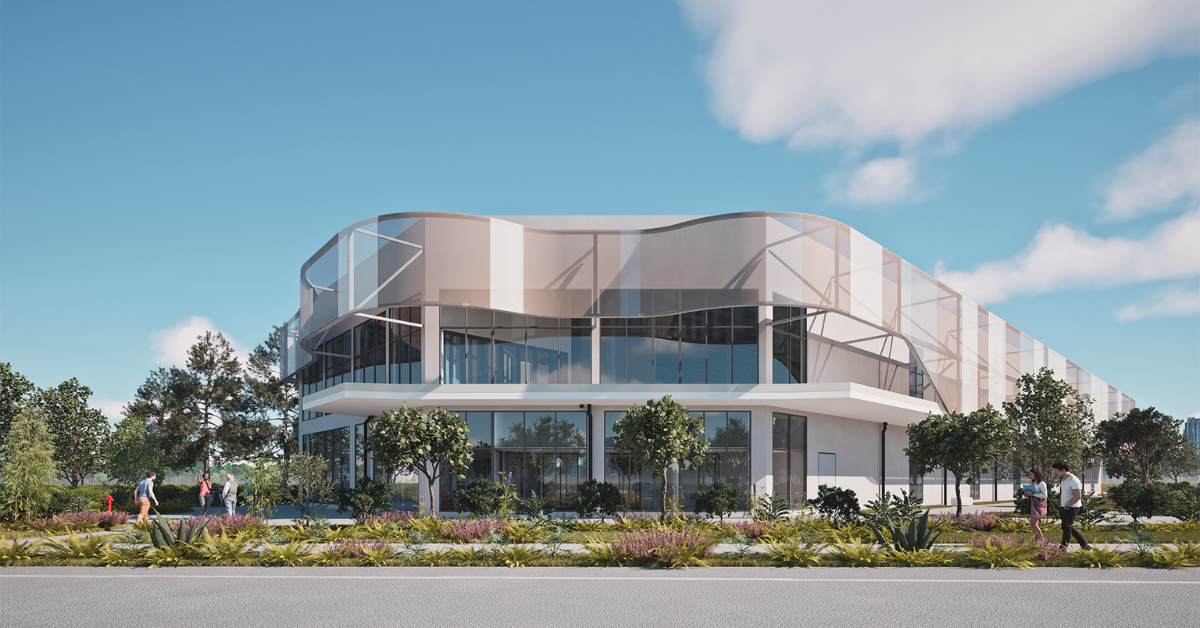
For the airport precinct, the development will add more than a warehouse. Plans for the 6.7-hectare Costco site include a 34-bowser fuel station, 870 car parking spaces and a food court alongside the 15,600sqm store.

Inside, the Brisbane Airport Costco is planned to carry groceries, fresh food, electronics and apparel, with optical and hearing aid centres and a tyre centre also included.

Once complete, approximately 250 full-time staff are expected to work at the warehouse.

Brisbane Airport Costco
Photo Credit: Brisbane Airport

Brisbane Airport Precinct Starts To Take Shape

Costco will occupy only about 12 per cent of the wider 51-hectare parcel being developed directly opposite the International Terminal.

That leaves most of the site for other businesses, with Brisbane Airport indicating the Costco announcement will be followed by others as the mixed-use precinct develops.

Signs of the broader project are already appearing on the site, where perimeter drainage works have started. Road network improvements and upgrades are also planned as part of the development and surrounding future projects.

The scale of the precinct is substantial, covering an area more than three times the size of South Bank Parklands.

About 12 kilometres from Brisbane’s CBD, the site also connects directly with South East Queensland’s road network.

 Brisbane Airport
Photo Credit: Brisbane Airport

More Than $145 Million Invested In Airport Site

Costco plans to invest more than $145 million in its Brisbane Airport development.

Brisbane Airport chief executive Gert-Jan de Graaff has described the retailer as the first of further businesses expected for the new mixed-use precinct, with Costco taking up a relatively small portion of the available land.

Costco Australia and New Zealand country manager Chris Tingman has also pointed to the planned employment at the site, with about 250 full-time staff expected once the warehouse is complete.


For Brisbane Airport, the first visible work on the wider site is already under way. For Costco, the next milestone is the planned late-2029 opening of its first warehouse within Brisbane City.

Published 28-August-2026

Brisbane Airport Takes Top Regional Spot for Terminal Cleanliness

Brisbane Airport has been named the cleanest airport in Australia and the Pacific at the 2026 Skytrax World Airport Awards, recognising the terminal environment experienced by travellers using Brisbane’s domestic and international gateways.


Brisbane Airport Takes Regional Top Spot

The airport finished first in Skytrax’s Australia/Pacific cleanliness category for 2026, placing Brisbane ahead of other airports across the region for the award.

It also performed strongly beyond the regional category, ranking sixth worldwide among airports handling up to 30 million passengers.

New Chitose led that international category, followed by Centrair Nagoya, Fukuoka, Bahrain and Osaka Itami. Brisbane was next in sixth place, ahead of Cam Ranh, Helsinki-Vantaa, Muscat and Houston Hobby.

The result gives Brisbane travellers a locally relevant place in Skytrax’s wider international rankings without putting the airport in the separate category used for major airports. Tokyo Haneda topped that major-airport cleanliness list.

Focus On Everyday Passenger Areas

The cleanliness recognition covers an airport used through both domestic and international terminals, where areas encountered throughout a passenger journey include washrooms, seating spaces and dining facilities.

Those areas have received positive reviews for cleanliness, while the airport’s modern facilities, spacious layout and maintenance programs have also been identified as contributing to the condition of the terminals.

Waste-management systems and environmentally friendly cleaning practices form another part of the airport’s approach to maintaining its facilities.

The terminals have also been reported to remain clean and organised during peak travel periods, when larger numbers of passengers move through Brisbane Airport.

For local passengers, the recognition centres on the parts of the airport encountered before departure, after arrival and while waiting inside the terminals rather than on a single facility or redevelopment.

Another Skytrax Recognition For Brisbane

The 2026 result follows another regional Skytrax recognition for Brisbane Airport in 2025, although in a different category.

Last year, Brisbane Airport was recognised for Best Airport Staff in the Australia and Pacific Region. This year’s award instead places the focus on cleanliness across the airport environment.

Skytrax’s 2026 regional list also named Tokyo Haneda as Asia’s cleanest airport, Rome Fiumicino for Europe, Bahrain for the Middle East and Houston Hobby for North America.


For Brisbane Airport, the latest result leaves it first in the Australia/Pacific cleanliness category and sixth globally among airports handling up to 30 million passengers.

Published 13-August-2026

Brisbane Airport Donates Thousands Of Surrendered Toiletries To Queenslanders In Need

Thousands of personal care products surrendered at Brisbane Airport are finding a second use, with unopened items being redirected to Queenslanders experiencing hardship rather than going to waste.


Read: Brisbane Airport Travellers Are Falling in Love With These Therapy Dogs


In the financial year to June, Brisbane Airport donated more than 15,600 personal care items, equivalent to 7.8 tonnes of products, to not-for-profit organisation GIVIT.

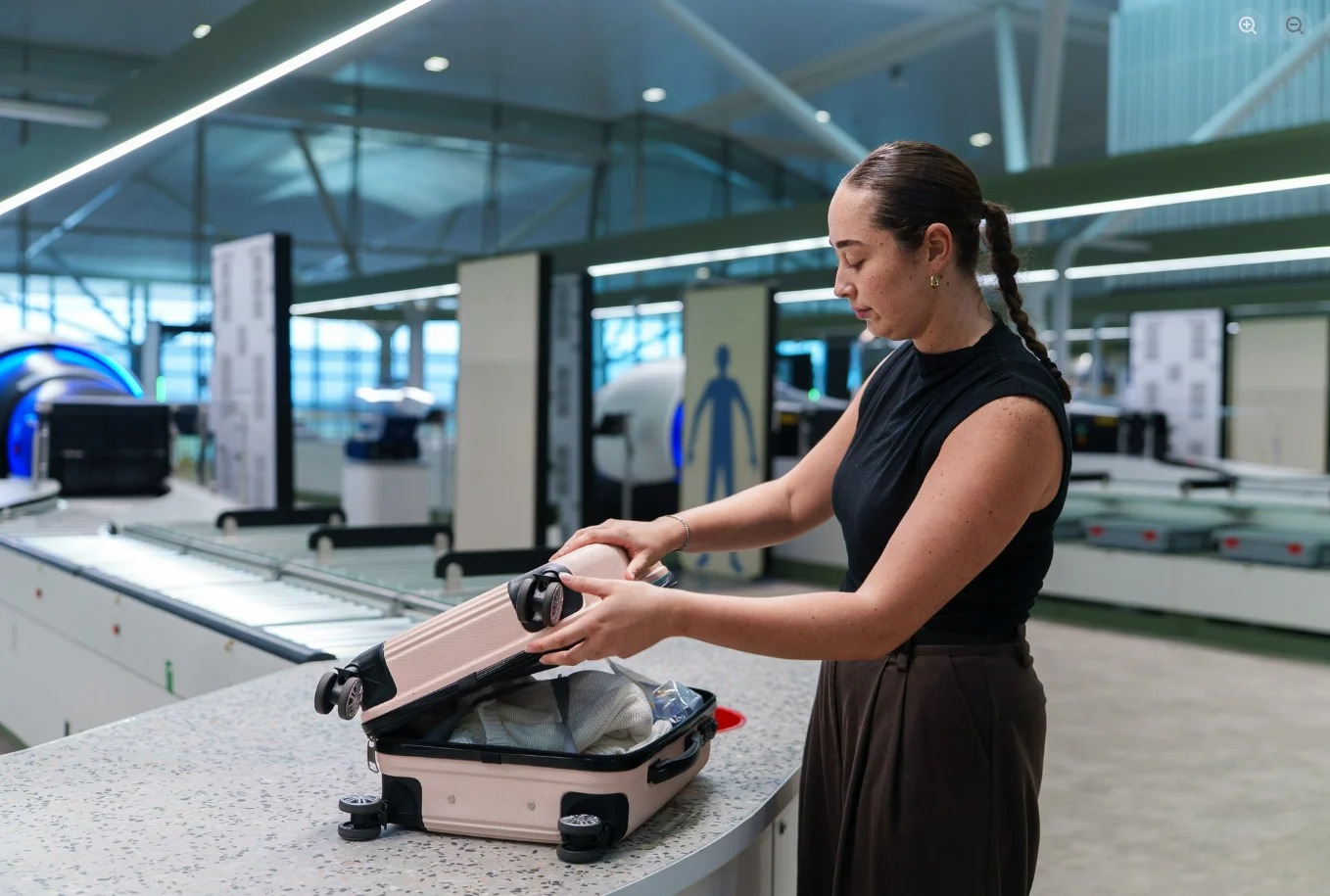
The donations come from products surrendered by international travellers at security screening after exceeding allowable limits for carry-on baggage. Unopened items including body wash, conditioner, sunscreen and toothpaste are collected and passed on through GIVIT’s network of local charities.

Photo credit: Brisbane Airport

For passengers, surrendering a bottle of shampoo or tube of toothpaste can be an unexpected part of passing through airport security. For people facing financial hardship, those same everyday items can help meet basic personal care needs.

Brisbane Airport Community Engagement Manager Portia Allison said the initiative provided practical support to Queenslanders while reducing waste.

“If you’ve just said goodbye to a bottle of shampoo or tube of toothpaste at airport security, you’re not alone,” Ms Allison said.

“Although it might be disappointing to leave these items behind, you can feel good knowing they don’t end up in landfill.”

“We take unopened items from security screening and give them a second chance, working with GIVIT to ensure the products go to Queenslanders who need it most.”

Essential Items Reach Brisbane Charities

Photo credit: GIVIT

GIVIT has distributed the toiletries from Brisbane Airport to more than 25 charities across Brisbane. These include crisis accommodation shelters, disability services and domestic and family violence charities supporting people who need essential goods.

GIVIT spokesperson Samantha Richardson said toiletries that many people take for granted can be a luxury for those experiencing hardship.

“Basic toiletries like deodorant or shampoo are essentials most of us take for granted but for many people they’re a luxury item,” Ms Richardson said.

“Having access to these personal care items means that someone experiencing hardship doesn’t have to make the choice between buying toiletries or putting food on the table.”

The airport’s donations also include other brand-new food products, such as honey and Vegemite, which are distributed to charities supporting people in need.

For GIVIT and the community organisations it works with, the arrangement provides another source of useful goods. The partnership also helps Brisbane Airport keep unused products out of landfill.

Ms Richardson described the arrangement as a “win-win”, with unused goods staying out of landfill while reaching people experiencing hardship.

“Our partnership with Brisbane Airport is a win-win, with these unused goods staying out of landfill while providing them to someone doing it really tough,” she said.

A Reminder For International Travellers

Photo credit: Facebook/Brisbane Airport

Brisbane Airport also encourages international travellers to familiarise themselves with carry-on requirements before arriving at the airport.

Travellers passing through the International Terminal may have to surrender powders, liquids, aerosols and gels that exceed permitted limits for carry-on baggage.

Australian Border Force advises that there are limits on how much powders, liquids, aerosols and gels passengers can carry onto an aircraft. It also recommends that travellers pack these items in checked-in baggage if they are unsure about the requirements.

Brisbane Airport has recently completed a significant security upgrade, installing next-generation screening technology to help streamline the departure experience for international travellers.

Passengers who arrive with items that do not meet carry-on requirements may still have to surrender them at security.

For eligible unopened products, surrendering them at security does not necessarily mean they will go to waste. Through Brisbane Airport’s partnership with GIVIT, unopened toiletries and other suitable goods can be passed on to charities across Brisbane, where they are distributed to people experiencing hardship.


Read: Brisbane Airport’s Biggest Industrial Build Just Became Australia Post’s Most Powerful Parcel Hub


The partnership gives eligible surrendered products a second use, helping charities provide essential personal care items to people who need them.

Published 10-August-2026

Brisbane Airport Turns to Robot Mowers for Greener Airside Maintenance 

Brisbane Airport robot mowers are taking on grass maintenance across airside land, with four autonomous machines being trialled to reduce diesel use, support safe operations and manage large grassed areas more efficiently.


Brisbane Airport Robot Mowers Take On Airside Grass

Across Brisbane Airport’s airside land, a small fleet of autonomous robot mowers is being trialled as part of a new approach to maintaining grassed areas around airport operations.

Brisbane Airport has become Australia’s first major airport to trial the rollout of autonomous robot mowers. Four machines are operating within prescribed safe areas, using sensors, geofencing, real-time monitoring and a physical barrier to keep them inside approved zones.

The pilot program is managing a growing portion of the airport’s 919 hectares of airside land, an area described as equivalent to 54 South Bank Parklands.

Coverage is expected to extend into additional airside areas over time as the fleet grows.

Robot mower at Brisbane Airport
Photo Credit: Brisbane Airport

A Continuous Cut Around Controlled Areas

The mowers are designed to work autonomously within defined zones, reducing the need for manual mowing in selected operational areas.

Unlike conventional mowing, which must be scheduled around air traffic and staff availability, the robotic mowers can operate day and night. That allows grass maintenance to continue more consistently while keeping the machines within controlled areas.

Airside grass maintenance is tightly managed because vegetation around runways and operational zones must be kept within safety requirements. The robotic system is designed to support that work while reducing human exposure to those areas.

Diesel Savings And Greener Grass

Replacing diesel-powered mowing equipment with automated electric mowers is expected to save more than 60,000 litres of diesel each year.

The mowing operation is designed to produce zero direct emissions, with charging supported by solar energy or Brisbane Airport’s renewables-backed electricity network.

The airport has also listed an estimated 70 per cent reduction in vegetation management costs and 250 fewer hours of sweeper truck operations each year as expected benefits.

The continuous mowing process is expected to reduce the use of herbicides and pesticides, while encouraging more resilient, drought-tolerant grass that stays greener for longer.

Trial Recognised By Airport Industry

The autonomous mowing system won an Australian Airports Association innovation award at the organisation’s most recent awards.

Brisbane Airport has linked the trial to its wider use of technology across operations and sustainability work. Its listed milestones include the establishment of a 285-hectare Biodiversity Zone in 2010, an emissions reduction program from 2013, the installation of 18,000 solar panels in 2019, and achieving Net Zero for scope 1 and 2 emissions in 2025.


Other listed initiatives include a 250kW battery energy storage systems trial in 2026, three Green Star 5 Star certifications for industrial property projects, and participation in a sustainable aviation fuel trial with VIVA Energy.

Published 26-July-2026

Brisbane Airport Travellers Are Falling in Love With These Therapy Dogs

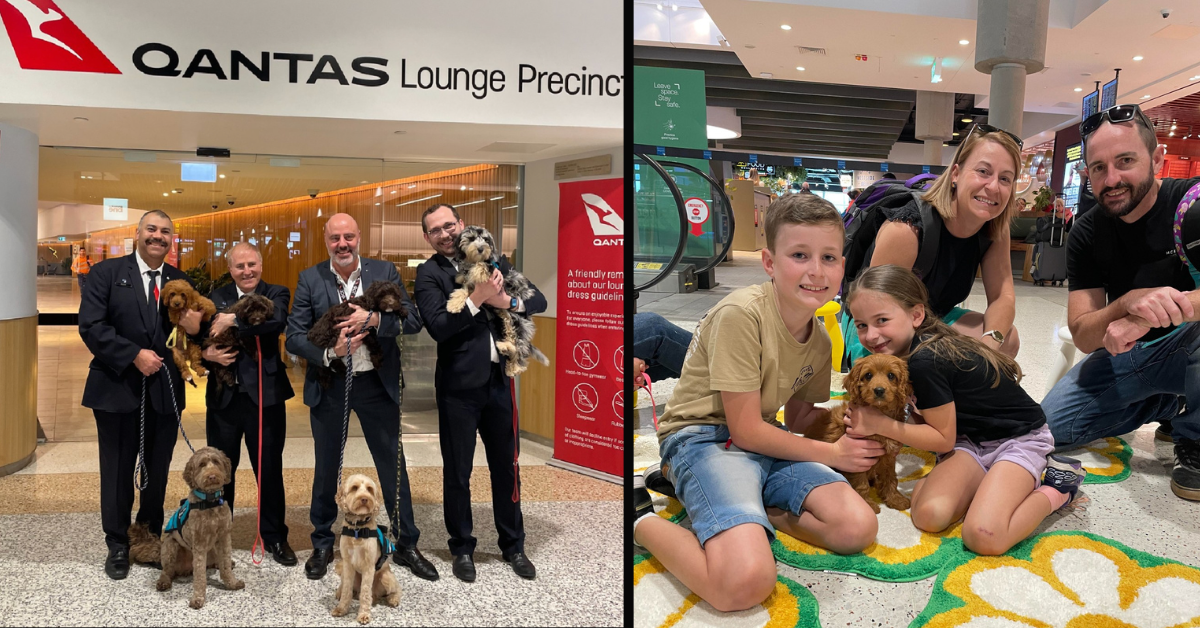
At Brisbane Airport, stressed travellers are swapping pre-flight nerves for puppy cuddles as therapy dogs return to the terminals for the school holidays.


The therapy dogs will return to Brisbane Airport during the June and July 2026 school holidays, bringing another round of wagging tails and puppy cuddles to both the Domestic and International terminals. 

Sessions at the Domestic Terminal will run from 12:00 p.m. to 2:00 p.m. on selected Tuesdays and Thursdays, while International Terminal visits are scheduled from 9:00 a.m. to 11:00 a.m. on selected Fridays.

Where Airport Stress Meets Puppy Cuddles

Holiday travel can turn even the calmest traveller into a bundle of nerves. There are crowded check-in queues, delayed flights, teary goodbyes, and children running low on patience before the plane even leaves the ground. It’s exactly the kind of environment Therapy & Support Animals Australia had in mind when the organisation partnered with Brisbane Airport to launch the country’s first airport therapy dog program.

Since then, the dogs have become a familiar sight during busy travel periods. Labradoodles, cavoodles, groodles and labradors now spend their school holiday shifts moving through the terminals with handlers, greeting travellers looking for a lighter moment before boarding.

Photos and videos shared across Brisbane Airport’s Facebook and Instagram pages show passengers lining up for photos, puppies sprawled across terminal floors and airport workers stopping by for a quick visit during shifts.

The Dogs Travellers Remember After the Flight

The therapy dogs may only work two-hour sessions, but for many travellers, the interaction stays with them long after take-off. Over the past three years, the dogs have comforted nervous children afraid of flying, grieving families travelling for funerals, and FIFO workers missing their own pets after weeks away from home.

Brisbane Airport Corporation communications executive Sarah Whyte previously said the airport expected the dogs to be popular, but the response quickly grew beyond what staff had imagined. Airline crews, retail workers and airport staff now regularly stop by the therapy dog areas alongside passengers.

The program also includes puppies in training, some just over 10 weeks old, giving young dogs early socialisation in a busy public setting filled with rolling luggage, loud announcements and constant movement.
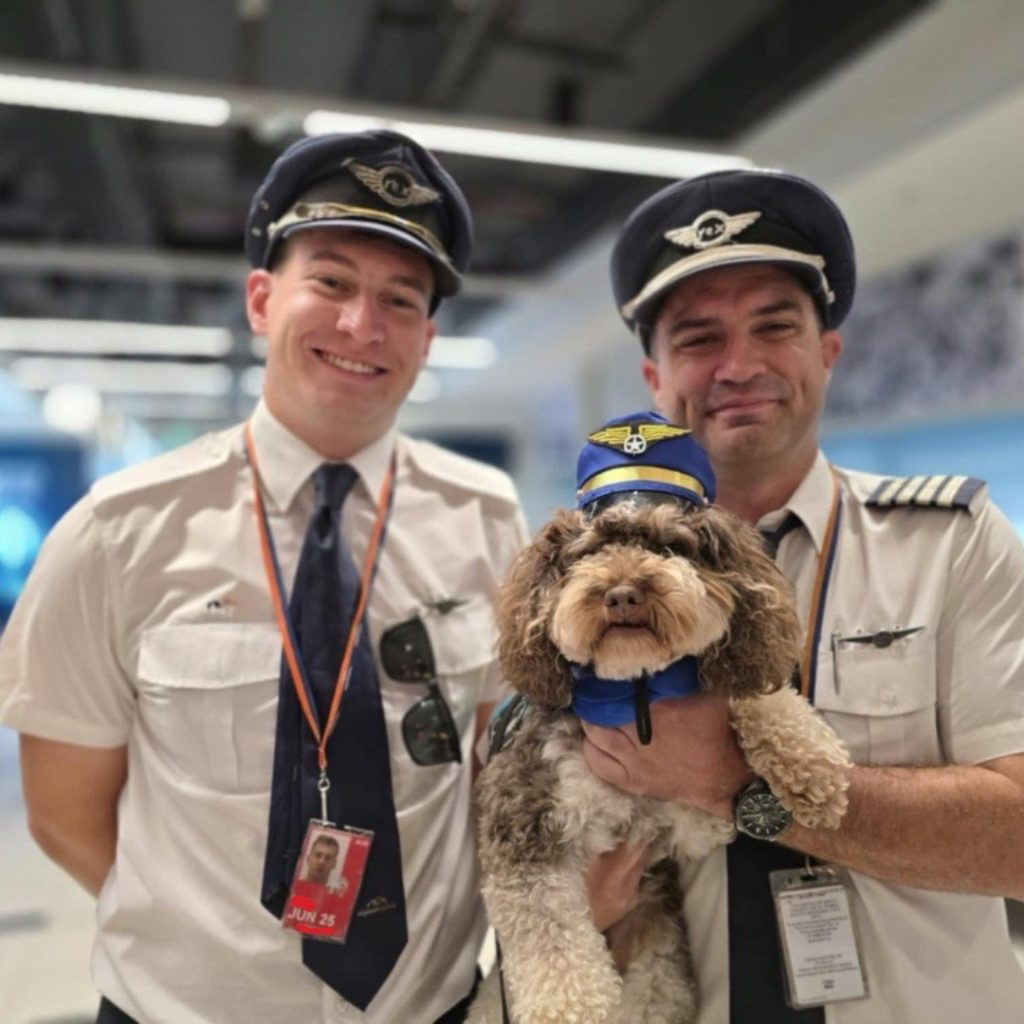
Photo Credit: Brisbane Airport/Facebook

A Holiday Tradition Taking Over the Terminal

The airport’s first therapy dog sessions were introduced as a short trial in the Domestic Terminal back in July 2023. Within months, the program expanded into the International Terminal after receiving strong feedback from travellers and staff.

Now, many passengers actively look forward to the dogs returning during school holiday periods. According to Brisbane Airport’s own travel advice page, the dogs are there specifically for public interaction under handler supervision. Unlike assistance dogs travelling with passengers, these therapy dogs are brought into the airport to mingle with the public and help ease stress during busy travel periods.

And in an airport handling tens of millions of passengers each year, those few minutes of connection seem to be leaving a lasting impression.


Published 28-May-2026
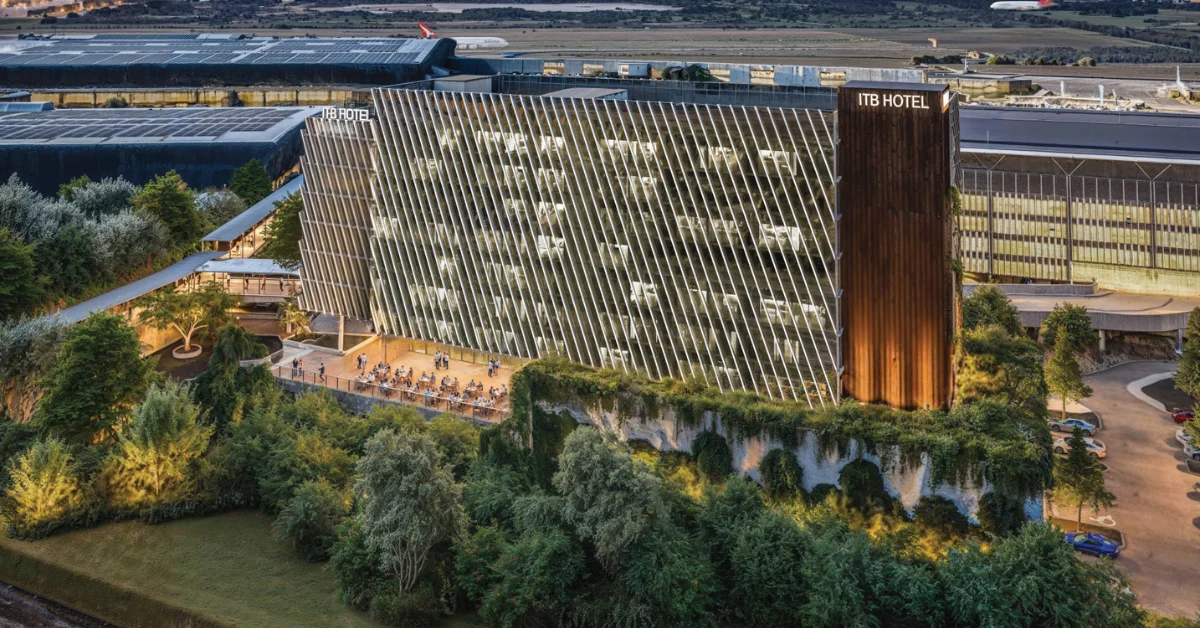
Brisbane Airport Plans Two New Hotels as Demand Remains High

Brisbane Airport is preparing to expand its accommodation offering with plans for two new hotels, responding to sustained demand that has kept its existing airport hotels consistently at capacity.


Brisbane Airport Expands To Meet Ongoing Demand

The airport precinct is progressing plans to increase hotel capacity, with two new developments proposed across separate locations. Existing accommodation within Brisbane Airport, including the Pullman, Ibis and Novotel, continues to operate at full occupancy, highlighting the need for additional rooms.

Passenger activity has also reached record levels, with 25 million travellers passing through the domestic and international terminals in 2025. The combination of strong passenger growth and the airport’s role as a major transit hub continues to drive consistent demand for accommodation.

Two New Hotel Sites Across The Precinct

The expansion centres on two distinct sites within Brisbane Airport, each offering a different level of service.

One hotel is planned adjacent to the International Terminal, positioned as a mid to upper-tier development. It will be located alongside a proposed multi-level car park and is intended to directly service the International Terminal, providing a closer accommodation option within that area.

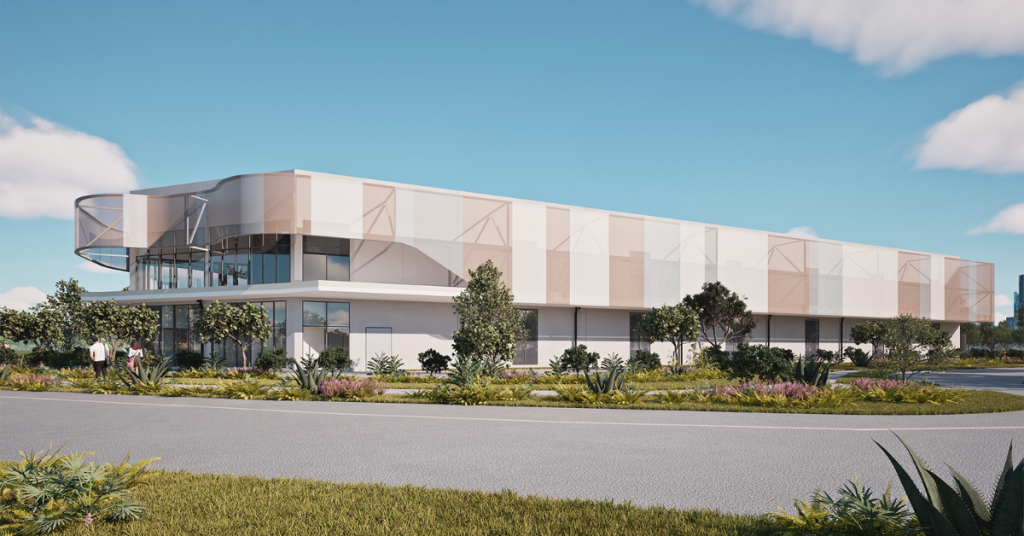
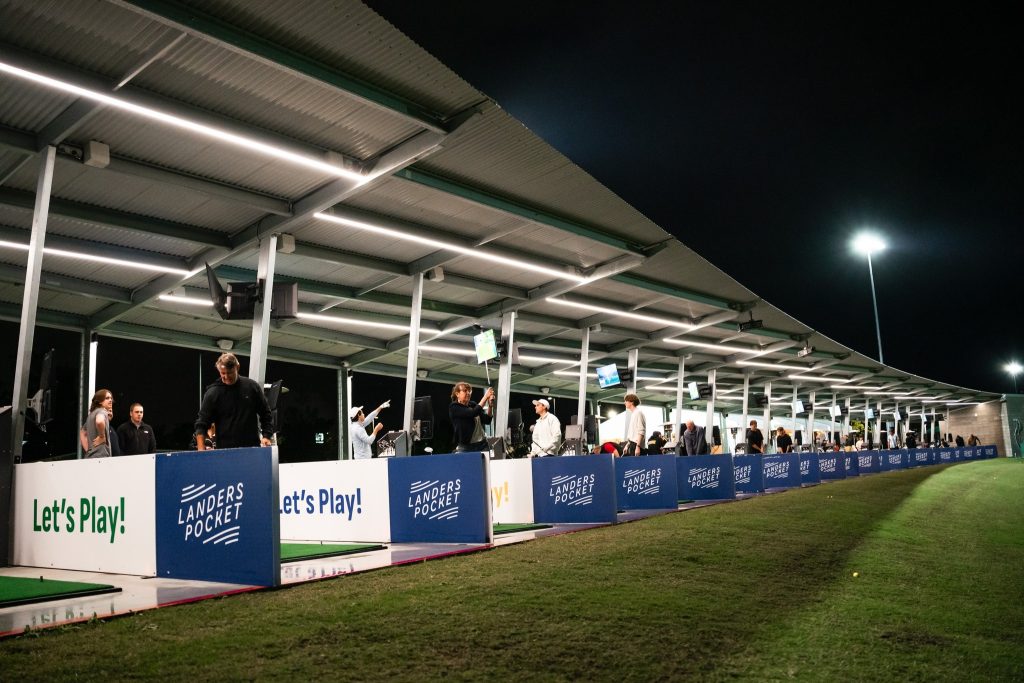
The second hotel is proposed for the Skygate precinct, a retail and entertainment area within the airport grounds. This development is planned as a mid-tier offering, positioned next to the Direct Factory Outlet (DFO), the 16-hectare Lander’s Pocket precinct and surrounding specialty retail, including a 24-hour supermarket.

 Brisbane Airport
Photo Credit: Brisbane Airport

Operator Search Underway

Both projects are currently in an early commercial stage, with an expressions of interest process underway to identify operators to manage the hotels. Submissions are due by 15 May, with final designs, construction timing and project scale to be determined following this process.

The proposed developments are being presented as architecturally designed builds, with released concept visuals indicative only and not reflective of final outcomes.

Long-Term Growth Supports Expansion

The planned additions form part of a broader outlook that Brisbane Airport can support up to five hotels across its precinct. This reflects continued growth in business, leisure and event-driven travel, alongside increasing passenger volumes.

Brisbane Airport connects to more domestic destinations than any other airport in Australia, supporting a steady flow of transit passengers moving through the precinct each night before onward connections.


With existing hotels consistently operating at capacity and passenger numbers continuing to grow, the two proposed developments are intended to expand accommodation availability across the airport.

Published 15-Apr-2026

Brisbane Airport Calls For Safer Travel As Holiday Crowds Increase 

Brisbane Airport has issued a renewed safety reminder ahead of the Easter travel rush, releasing CCTV footage that captures common passenger incidents and urging travellers to move carefully through its terminals.


Brisbane Airport Uses Footage To Reinforce Safety Awareness

Brisbane Airport has shared surveillance footage showing a series of incidents involving passengers across terminals and surrounding areas during busy travel periods.

The footage highlights travellers losing balance on escalators and travelators while managing luggage, along with collisions at car park boom gates. These examples are being used to emphasise how simple actions can prevent avoidable injuries.

Travellers are being encouraged to stay alert, slow down, and remain aware of their surroundings while moving through airport spaces.

Escalators And Travelators Remain A Key Risk Area

Approximately 30 per cent of injuries at Brisbane Airport occur on escalators and travelators, particularly when passengers are handling bulky or multiple bags.

Footage shows instances where travellers lose stability while attempting to manage luggage, leading to falls and strain-related injuries. Similar incidents have been observed among older passengers navigating these areas.

Passengers with heavy baggage or mobility concerns are advised to use lifts instead to reduce the risk of accidents.

Child Safety Concerns Highlighted In Terminal Footage

The footage also shows incidents involving children riding on suitcases, a behaviour identified as a frequent cause of injury among younger travellers.

Due to the instability of small wheels and elevated positioning, children are more likely to tip over and fall onto hard flooring surfaces.

Parents and carers are being reminded to keep children close and avoid using luggage as a way to transport them through the airport.

Easter Travel Volumes Drive Safety Messaging At Brisbane Airport

Brisbane Airport expects more than one million passengers to travel through its terminals during the Easter holiday period, making it one of the busiest times of the year.

In 2025, the airport recorded 25 million passengers and 187 public injuries, most of which were minor and required first aid treatment. Reported incidents declined across 2024 and 2025 despite increasing passenger numbers.

The safety campaign aims to further reduce these numbers by encouraging safer movement throughout the airport environment.

Clear Safety Steps For Travellers At Brisbane Airport

Brisbane Airport is reminding passengers to follow practical safety measures to reduce the likelihood of injury during their journey.

Key advice includes not placing children or babies on suitcases, using lifts when carrying heavy bags, and holding handrails when using escalators or travelators.

Travellers are also advised to supervise children closely, avoid play around baggage carousels and trolleys, follow safety signage, and use approved pedestrian paths in car parks.


Additional reminders include avoiding movement under boom gates and allowing sufficient time to move through busy areas without rushing.

Published 30-Mar-2026

Brisbane Airport Expansion to Include 70 New Home Design Showrooms

Brisbane Airport is set to house a massive home improvement destination the size of three Olympic swimming pool precincts to help local residents and builders manage their construction projects in one single trip.


A Central Hub for Local Building Projects

Brisbane Airport
Photo Credit: Brisbane Airport

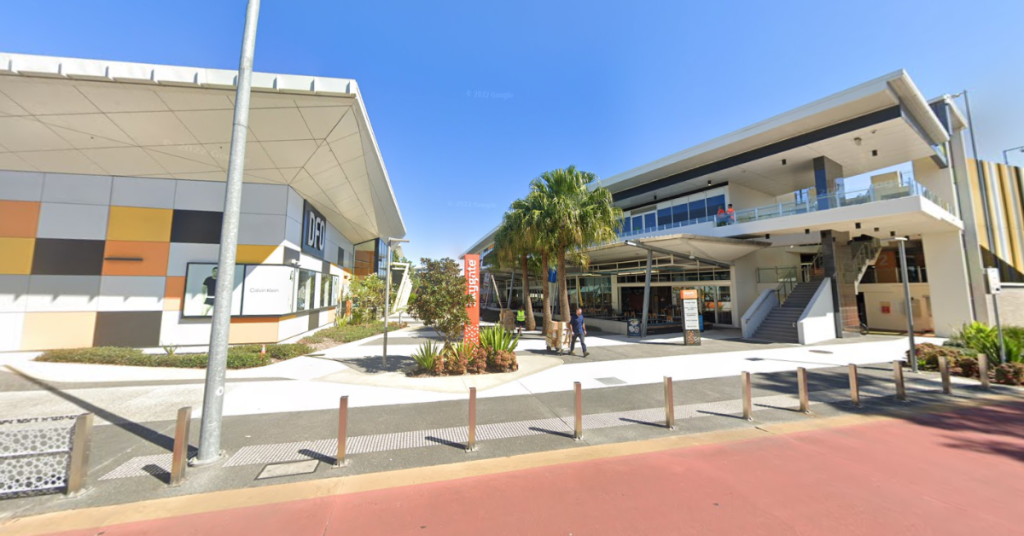
The Build and Design Centre plans to move its operations from South Brisbane to the Skygate precinct in Eagle Farm during early 2027. This relocation represents a major step for the organisation as it grows into a purpose-built facility covering more than 4,000 square metres. 

By moving to this strategic location, the centre aims to serve the growing number of people in Queensland who are currently tackling home repairs or starting new construction projects. The facility will sit within a well-known retail area that already attracts many visitors who shop at the nearby DFO.

Making Home Design Easier for Families

The two-level building will feature more than 70 different showrooms where visitors can walk through various room layouts to see how products look in a real home setting. Instead of travelling across the city to look at different parts, locals can find everything from kitchen cupboards and stone benchtops to outdoor cladding and bricks in one spot. 

Because many people find the building process stressful and time-consuming, the centre is designed to let them compare brands and coordinate their entire project without the need to visit dozens of separate shops.

Supporting Industry and Community Growth

Brisbane Airport
Photo Credit: Google Maps

The executive general manager for commercial at Brisbane Airport, Scott Norris, believes the project will offer a unique experience for the retail precinct. He noted that the hub will provide a more efficient way for people to plan projects of any size and will change the way locals approach renovations. 

The director of the centre, Charl Liebenberg, stated that the move to Eagle Farm provides better access to major roads for customers who are short on time. He explained that the new scale of the building allows them to offer expert advice and a wide range of suppliers in a central location that is easy to reach by car or bus.


Part of a Growing Airport Precinct

The new facility will be part of a massive 2,700-hectare area at Brisbane Airport that already supports over 600 businesses. While the airport is known for travel, it has become a major destination for commerce and industry because of its links to the city’s road network. The addition of this building hub includes spaces specifically made for design seminars and workshops where professional builders and designers can meet to learn about new trends. This expansion ensures that the airport remains a key gateway for both local shoppers and the wider Queensland building industry.

Published Date 04-March-2026

New Schneider Road Shared Path Fills Key Gap in Moreton Bay Cycleway at Eagle Farm

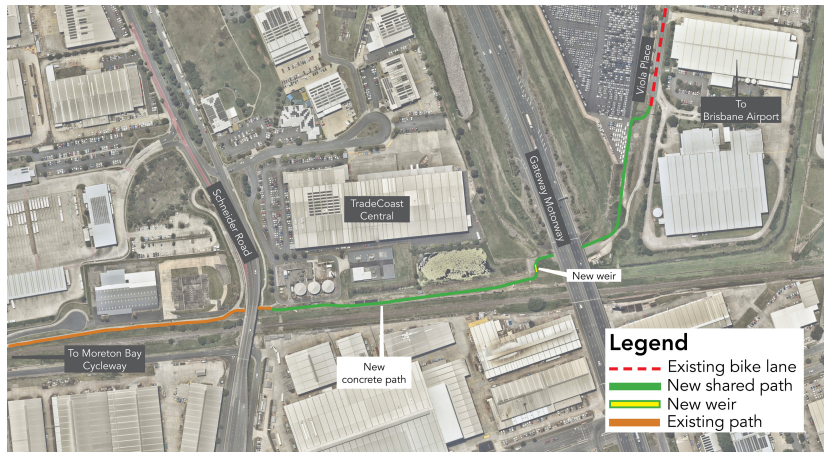
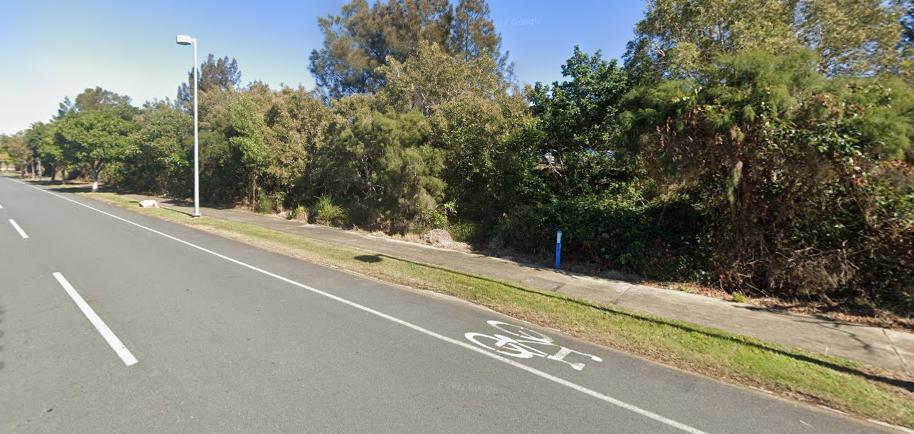
A new 600-metre shared path connecting the Moreton Bay Cycleway at the Schneider Road underpass in Eagle Farm to the Brisbane Airport precinct at Viola Place is now open, closing a long-standing gap in the cycling network that had frustrated northside riders for years.


The path, completed in late January 2026 after construction began in May 2025, gives cyclists, walkers and scooter riders a safe, continuous off-road connection between Eagle Farm and the airport for the first time. Dozens of cyclists turned out on opening morning to celebrate the new link, with a free pop-up coffee station set up along the path to mark the occasion.

For Ascot and Eagle Farm residents who commute to the airport precinct or connect to the broader cycling network from the northside, the new path removes the last significant off-road gap on this stretch of the Moreton Bay Cycleway. For riders arriving from Brisbane’s southside via the Gateway Bridge, it completes a critical northern link that previously forced cyclists onto road shoulders or into detours to continue their journey toward the airport and TradeCoast Central employment areas.

A Route Through the Gateway Motorway Corridor

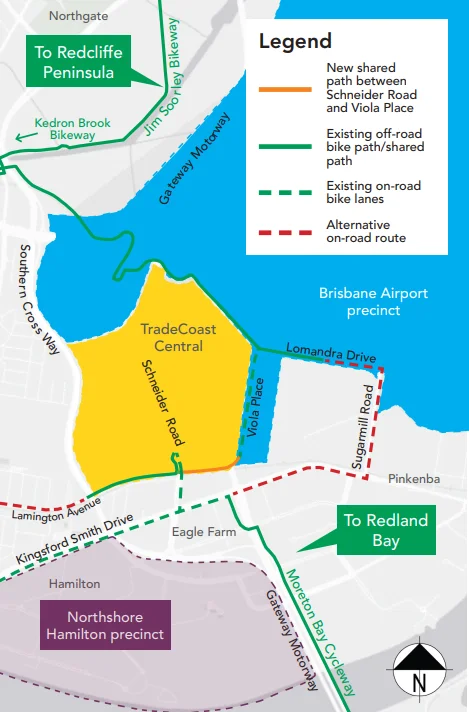
The new path begins at the existing cycleway at Schneider Road in Eagle Farm, passes under the Gateway Motorway, and connects to the existing bike lane and footpath at Viola Place inside the Brisbane Airport precinct. The network map shows how the connection slots into a broader web of routes: northbound from Viola Place, riders can continue along Lomandra Drive into the airport precinct, or pick up the Jim Soorley Bikeway toward Nundah, Northgate and the Redcliffe Peninsula. Southbound, the path connects to the Moreton Bay Cycleway running toward Redland Bay and the Gateway Bridge, as well as the Southern Cross Way off-road path and on-road options along Lamington Avenue and Kingsford Smith Drive toward Hamilton and Northshore.

Photo Credit: BCC

For Eagle Farm and Pinkenba workers, the Schneider Road connection also creates the first direct off-road cycling link to the TradeCoast Central precinct from the south, avoiding the need to navigate Nudgee Road or Sugarmill Road on-road.

What the New Path Includes

The shared path varies between 2.5 and 3 metres in width, comfortably accommodating cyclists and pedestrians travelling in both directions. The path features solar-powered LED lighting along its full length for safe travel at all hours, a reconstructed weir and new waterway crossing where the path crosses a drainage channel near the Gateway Motorway, a kerb ramp at the Viola Place end for smooth access to the airport’s existing bike lane and footpath, and wayfinding signage and line marking throughout to guide riders unfamiliar with the route. Landscaping and turfing are also included, with minor tree removals carried out in consultation with a qualified arborist during construction.

Connecting Eagle Farm to a 150-Kilometre Network

The Moreton Bay Cycleway spans 150 kilometres of Brisbane’s coastline, connecting the Redcliffe Peninsula, the Sandgate and Shorncliffe foreshore, and the Wynnum and Manly foreshore to one another and to major inner-city bikeways. The cycleway links to the Gateway Bridge Bikeway, Kedron Brook Bikeway, Jim Soorley Bikeway and Gateway North Bikeway, and when complete may become one of the longest cycleways on Australia’s east coast spanning three local government areas.

The Gateway Bridge shared path, free for pedestrians and cyclists, is a busy crossing point used daily by commuter and recreational riders connecting Brisbane’s southside to the northside. With the Schneider Road link now in place, a rider can cross the Gateway Bridge from Murrarie, continue through Eagle Farm under the motorway, and reach the Brisbane Airport precinct, the TradeCoast Central employment hub or the Jim Soorley Bikeway entirely on off-road paths. That seamless connection is what active transport advocates in the area have sought for some time.

Around 25,000 people travel to Brisbane Airport each day for work, a number expected to grow by around 20,000 over the next two decades. Brisbane Airport’s draft 2026 Master Plan includes a series of active transport initiatives across the precinct, aimed at giving workers lower-cost and healthier commuting options as the airport precinct expands.

How to Access the New Path

The new shared path is open at all hours. Riders approaching from the south can access the Schneider Road underpass from Kingsford Smith Drive via Lamington Avenue, or from the Moreton Bay Cycleway running north from the Gateway Bridge. Riders within the airport precinct can connect from Viola Place.

More information is available here. The project team can be reached on 07 3178 5413 during business hours, or 07 3403 8888 at any time.


Published 26-February-2026.