



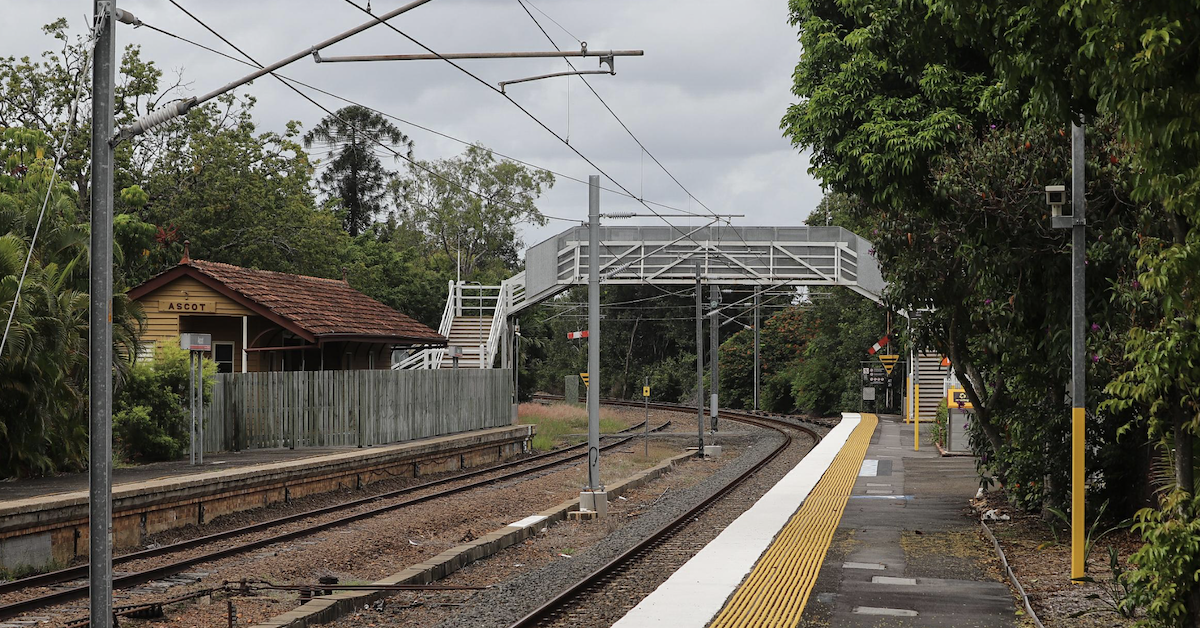
Ascot Station Has Lowest Patronage; Its Story Is Much Bigger

Ascot Station recorded the lowest number of passenger boardings among Brisbane stations in the published 2024–25 patronage figures, with 25,566 boardings over the financial year.


To put that into perspective, Brisbane’s bustling heartbeat, Central Station, pulled in more than 9.8 million boardings in the same period. While Central buzzed with thousands of commuters every hour, Ascot averaged a sleepy 70 boardings a day.

But raw numbers make for a dry story. Look past the sleepy platforms and empty ticket barriers, and you will find a station that remains a beloved piece of local history, still delivering residents straight into the Brisbane CBD.

A Quiet Platform with a Steady Pulse

Tucked away on the Doomben line, Ascot Station serves Brisbane’s leafy inner-north-east. It might not have the frantic rush of other hubs, but it is far from abandoned.

According to current Translink timetables, trains still roll through Ascot every weekday, generally arriving every 30 minutes. It is part of a tight-knit trio of local stops; Hendra is a mere 900-metre stroll down the road, and Doomben sits just 1.2 kilometres away, giving locals plenty of options to catch a ride.

While it might sit at the bottom of the patronage ladder, Ascot remains a reliable, clockwork part of Brisbane’s daily commute.

Built for the Sport of Kings

Ascot’s railway story began long before the era of modern tap-on cards and morning grinds.

The tracks first reached the suburb in 1882, born out of a passionate push by the Brisbane Turf Club to ferry eager punters to the nearby Eagle Farm Racecourse. Originally christened “Racecourse Railway Station,” it was renamed Ascot in 1897—the very same year the line pushed further down the track to Pinkenba.

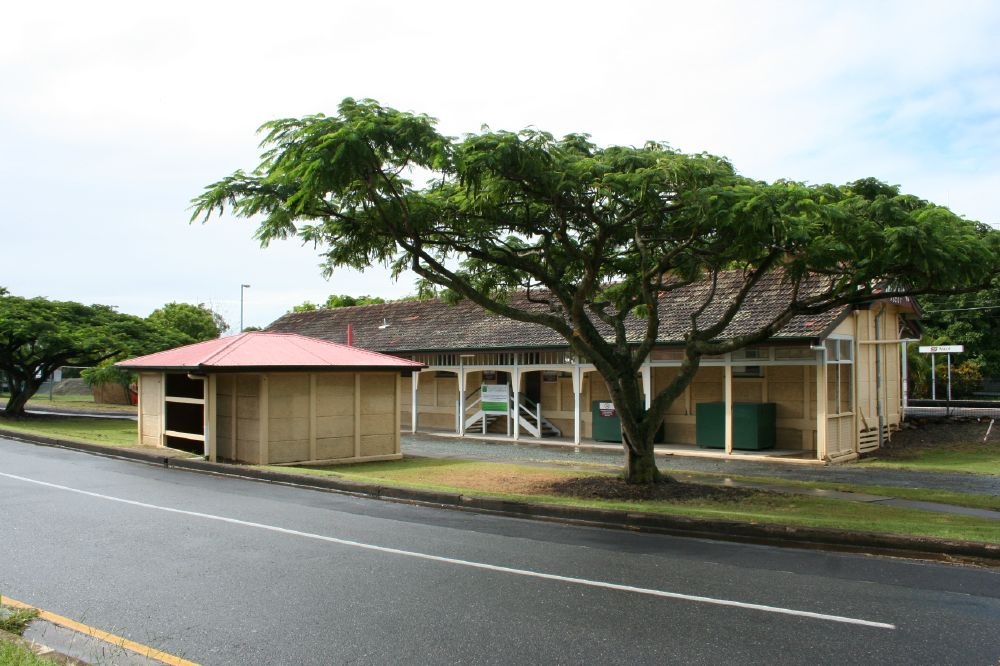
Walk onto the platform today, and that rich history is written in the timber and steel. The precinct is a living museum, boasting historic railway buildings and vintage signalling gear that span more than a century of Brisbane’s rail evolution.
A Heritage Jewel in Brisbane’s Crown

Ascot is much more than a quiet spot to wait for the train—it is a protected piece of Queensland’s soul.

In 2004, both Ascot Station and the adjacent Eagle Farm Racecourse earned a proud spot on the Queensland Heritage Register, cementing their roles in the state’s transport and racing folklore.

Step onto the platform and you will spot:

  • Charming historic station buildings that feel a world away from modern concrete platforms.
  • Classic semaphore signals standing tall against the sky.
  • A mechanically interlocked signal cabin—a beautifully complex piece of old-school engineering that the Queensland Heritage Register notes was once the backbone of the network, but is now an incredibly rare sight.

This heritage listing does not just look back at the past; it ensures that any future upgrades will respect and protect the station’s unique character.

Passenger Numbers Tell Only One Part of the Story

Passenger statistics are great for spreadsheets, but they do not capture the soul of a suburb.

Ascot Station might have officially recorded the quietest year on Brisbane’s rail network, but its value is not measured in turnstile clicks. It represents a 140-year-old link to the city’s past, a gorgeous local landmark, and a reliable connection for the locals who call the suburb home.


In the end, Ascot proves that some stations are worth far more than the sum of their passengers.

Published 14-July-2026

Debate Heats Up Over Irresponsible Ascot Dog Owners

Ascot dog owners raise concerns over dog poo dumping, sparking debate on waste disposal and calls for better solutions to keep the suburb clean.


A frustrated resident of Ascot has voiced concerns regarding irresponsible dog owners who leave bags of dog waste in public spaces, sparking a demand for improved waste management solutions in Brisbane. This issue has ignited a debate among locals, as residents find themselves divided over who should bear the responsibility of keeping the community clean.

Karen, an Ascot resident, voiced her complaint regarding the abandoned dog waste bags on the street where she resides. It had become a big issue since the lady complained that plastic bags full of dog muck were being deposited on the sidewalk in front of her and at particular public bins.

Karen’s grievance quickly gained traction on social media. She argued that while dog owners are required to pick up after their pets, some neglect the final step of properly disposing of waste.

Residents Weigh In

Karen’s comments have been mixed. Some people sympathise with her frustration, but others say the problem points to the need for more bins and other community infrastructure in Ascot.

Mark Hughes, a long-time resident of Ascot, expressed concerns about the lack of bins in the area. He noted that while people generally want to dispose of waste responsibly, it becomes frustrating when bins are either too far apart or overflowing.

Debate Heats Up Over Irresponsible Ascot Dog Owners
Photo Credit: BCC

On the other hand, others believe the issue ultimately comes down to personal responsibility. Sarah Blake, who takes time every day to walk her dog, argued that there is no excuse for improper disposal. She emphasized that if someone has already taken the effort to pick up waste, they should also make the effort to find a bin, adding that leaving it on the ground or next to someone’s property is simply unacceptable.

Brisbane’s Approach to Waste Management

City officials have recognized the concern, emphasizing that waste management in bustling locations like parks and walkways continues to be a top priority. Brisbane authorities encourage residents to use existing public bins responsibly and report overflowing bins to ensure timely servicing.

A spokesperson for Council acknowledged the frustration caused by irresponsible behavior. They reaffirmed its commitment to maintaining clean public spaces but emphasized the importance of community cooperation. Residents were encouraged to report problem areas through official channels.

City leaders also confirmed that additional waste management solutions are being reviewed, including the placement of new bins in dog-friendly parks and popular walking routes. However, funding and implementation timelines remain unclear.

Local Dog Owners Call for Solutions

While residents like Karen think officials should strictly impose current waste disposal laws and regulations, dog owners gave several practical solutions to the concern. Some of the said suggestions include increasing the use of signage to remind of responsibility and installing more bin areas at popular dog walking spots.


Similar issues have been tackled in nearby suburbs through community-led efforts. In Hamilton, for example, residents collaborated with local businesses to install sponsored bins featuring biodegradable bag dispensers, thereby significantly reducing waste dumping.

Balancing Responsibility and Community Cleanliness

This debate shows that there is a balance between personal accountability and community infrastructure. Though Brisbane’s waste services play a very crucial role, residents agree that individual behavior is the key to maintaining clean and pleasant neighbourhoods.

Long-time Ascot resident Karen highlighted the importance of collective responsibility in maintaining the neighbourhood. She pointed out that everyone has a role to play, whether walking a dog or simply passing through, and that doing the right thing makes a significant difference.

With an increase in the population of Brisbane and growing community spaces, it becomes important to handle these little but impacting issues that remain crucial to Brisbane’s liveability. Authorities in cities are therefore seeking continued communication with its citizens to create solutions for everybody.

Published 17-Dec-2024

Aircraft Noise Level in Ascot Ranks 4th Highest Among 55 Brisbane Suburbs

Photo Credit: Ketut Subiyanto/Pexels

Did you know that Ascot has the fourth-highest aircraft noise level among 55 Brisbane suburbs based on measurements taken from uploaded recordings of a user-based, Dutch phone app? 


The latest ExPlane app report showed that the average decibel levels in Ascot is 76 based on 1,081 recordings made since 2020, when Brisbane Airport’s new flightpaths were implemented.

According to Audiology, a decibel level above 70 may be comparable to busy traffic or a vacuum cleaner and could result in permanent hearing loss when extended over a long period.

Here are the 10 suburbs with the highest plane noise levels based on uploaded recordings from ExPlane app users: 

SUBURBAVERAGE DECIBELSRECORDINGS
Cannon Hill80dB84
Murarrie80dB25
Norman Park78dB377
Ascot76dB1,081
Kangaroo Point76dB72
Albany Creek75dB6
Clayfield75dB89
Tingalpa75dB25
Keperra75dB8
Hendra74dB1,229

Brisbane locals have been uploading aircraft noise recordings on the ExPlane app, becoming the second most active users next to the Dutch since 2020. However, the Brisbane Airport Corporation (BAC) said that the mobile service was inaccurate. 

The ExpPlane app has been tracking aircraft noise levels from airports across the world and was created by Roelof Meijer of SchipholWatch, a group of residents in Holland who opposed the expansion of Schiphol airport.

Schiphol Airport is owned by the Royal Schiphol Group, a shareholder of the Brisbane Airport. 

The report comes after BAC issued an apology for failing to comply with its Noise Abatement Procedures when Qatar airline took off at 11:00 p.m., adversely impacting residents in Hamilton and New Farm. 

A move to permanently impose a curfew from 10:00 p.m. to 6:00 a.m. has been introduced in the Parliament. However, BAC CEO Gert-Jan de Graaff is against the curfews and caps as these could affect the job security of 9,000 workers. Whilst Mr Graaff acknowledges the aircraft noise issues, he believes that curfews and caps are not the answers. 


Meanwhile, Airservices Australia, the federal aviation industry regulator, is currently trialing Noise Improvement Trials, coursing planes to take off and land in the opposite direction to reduce the noise. Final changes to the flight path will not be adopted without community consultations thus these issues will still take more time to be resolved.