


Brothers Rugby Club Revamp Approved With Clubhouse Upgrade And Swim School

A new swim school, upgraded player facilities and revamped club spaces are part of approved plans to reshape Brothers Rugby Club’s Crosby Road grounds in Albion.


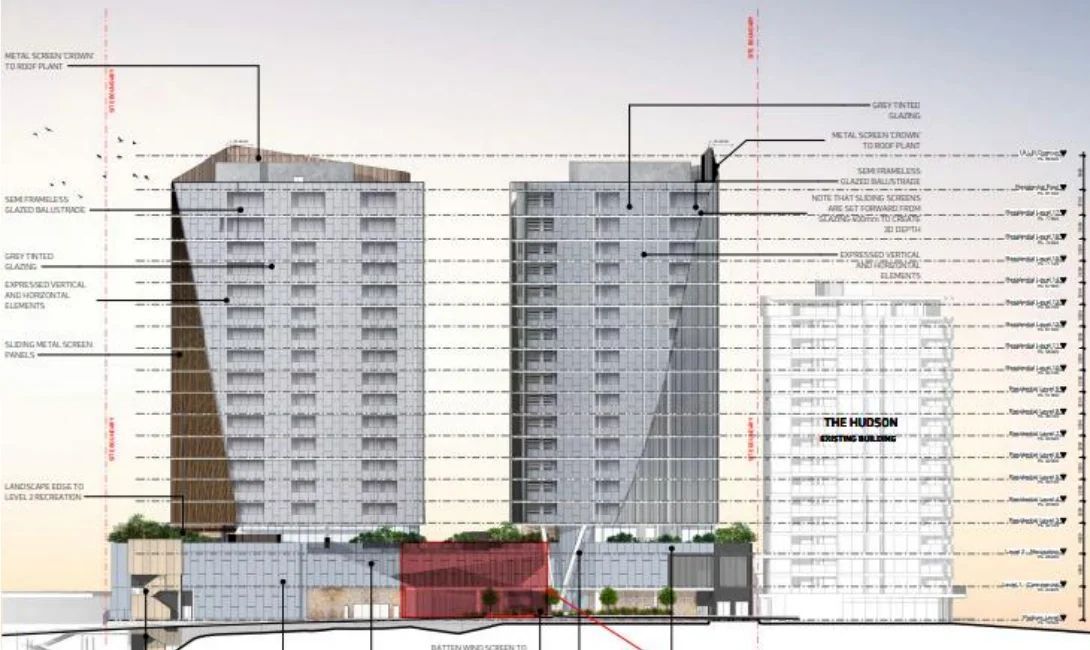
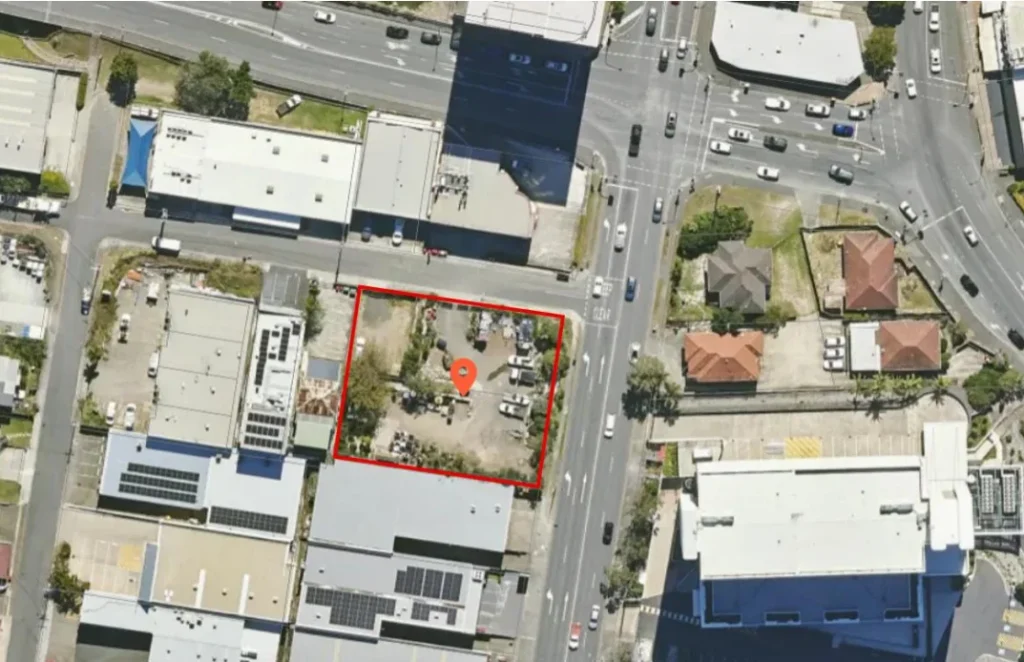
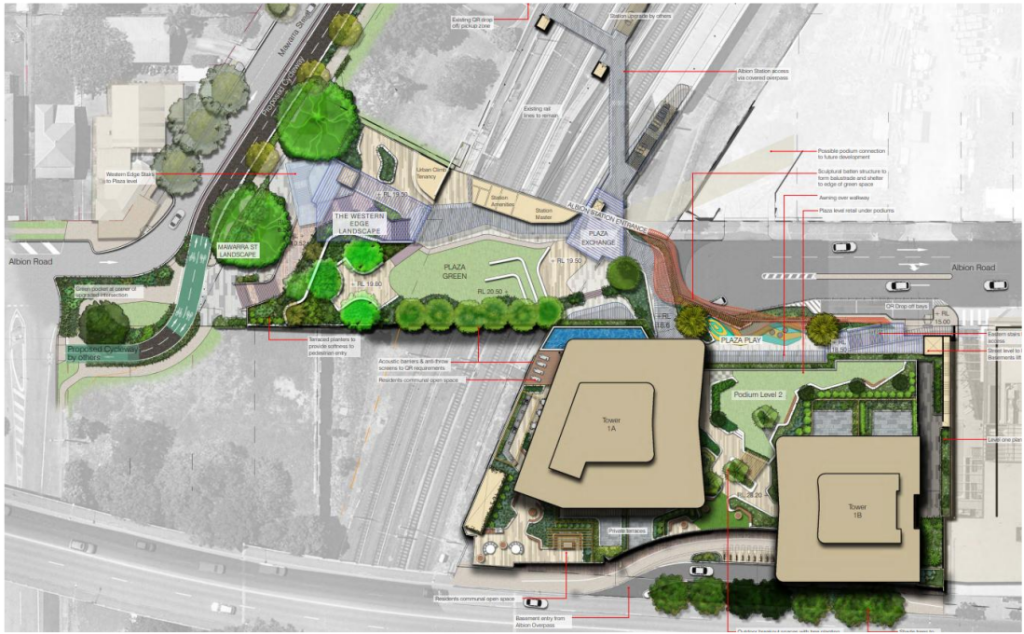
BCC approved the revised application for 103 Crosby Road on 2 September, clearing the way for changes to the staging of the broader redevelopment. The biggest shift brings the clubhouse upgrade forward from Stage 3 to Stage 1, putting new facilities for players and club users at the front of the program. The redevelopment spans the club’s 55,141sqm site and will be delivered over six stages, covering rugby and recreation facilities, function areas, a swim school and health care uses.

Brothers Rugby Club
Photo Credit: DA/A007052198

Clubhouse First In Line

Plans by Bureau^proberts show a 1,459sqm clubhouse upgrade across the ground and first floors. Player areas would receive upgraded change rooms and gym facilities, while the internal layout would be reworked to improve circulation, storage and servicing. Clubroom and function spaces would also be rearranged, alongside upgrades to the bar and kitchen.

Changes to patron movement are included in the design, while an undercroft would be incorporated to help manage overland flow through the site. Bringing the clubhouse forward means those works would now make up Stage 1 of the redevelopment, followed by fieldworks in Stage 2. Parking forms part of the wider plans, although the supplied application material gives differing totals for the number of spaces proposed.

Brisbane development
Photo Credit: DA/A007052198

Swim School Joins The Sporting Mix

The next major addition comes in Stage 3, where an Aquatic Achievers Swim School is planned alongside other indoor and outdoor sport and recreation facilities. The swim school adds another use to grounds already being reshaped around rugby, recreation and club activities. Later stages would add further function and sporting facilities, complete remaining car parking works and introduce health care and additional indoor recreation uses.

Crosby Road
Photo Credit: DA/A007052198

Stage 4 is allocated to the balance of club parking, while Stage 5 covers further club, function facility and outdoor recreation works. Health care services and more indoor sport and recreation facilities are planned for Stage 6. BCC records describe the application as impact assessable and covering building work, a material change of use and referral matters. The application was submitted on 22 June 2026 and became properly made on 30 June before receiving approval in September.


Planning material lodged with the application states the amended design and staging would remain consistent with the planning framework applied to the existing approval. The revised program now puts the clubhouse first, with the swim school and remaining sport, recreation, function and health facilities to follow as the later stages of the Crosby Road redevelopment progress.

Published 30-September-2026

What Makes Dunaverty One of Albion’s Most Fascinating Heritage Homes?

Long before Albion became the established inner-city suburb it is today, Dunaverty stood on the corner of Birkbeck and Hudson roads as the home of Scottish migrant Archibald McNish Fraser. More than 130 years later, the heritage-listed residence continues to preserve many of the architectural details that made it distinctive when it was built in 1887.


Read: Redevelopment Aims to Preserve Heritage of Paddock and Members Stands at Eagle Farm Racecourse


From its decorative timberwork to fanlights bearing the names of Fraser’s family members, the house reflects Brisbane’s boom-era development and the career of nineteenth-century real estate entrepreneur Archibald McNish Fraser.

A reflection of Brisbane’s growth

Sketch of Archibald McNish Fraser (Photo credit: John Oxley Library, State Library of Queensland. Image number: 167284)

Fraser arrived in Brisbane from Argyllshire, Scotland, in 1880 after completing his apprenticeship as a builder. He established himself as a contractor working in Brisbane and Cleveland before expanding into real estate during the mid-1880s.

After purchasing the Albion site from his father-in-law, John Barclay, in 1885, Fraser established the Onward Real Property Mart in 1887, the same year Dunaverty was completed.

Contemporary publications recognised Fraser’s achievements during the late 1880s. They described him as one of the city’s successful young businessmen, while the Queensland Heritage Register suggests Dunaverty may have been built to showcase his business.

Scottish influences throughout the home

Decorative detailing on Dunaverty (Photo credit: BCC)

Dunaverty reflects Fraser’s Scottish background through a range of decorative features incorporated into the house. Scottish thistle motifs appear in the cast iron lacework, timber brackets, ceiling roses and fanlights throughout the residence.

Among the home’s most distinctive features are the fanlights above the doors, which display the names and nicknames Nellie, Charlie, Mima and Katie. The inscriptions refer to Fraser’s wife, Jemima, and members of the Fraser family, adding a personal element to the home’s design.

These details remain among the property’s defining heritage features.

Part of the Albion Heritage Trail

Albion Heritage Trail map (Photo credit: BCC)

Today, Dunaverty is included on Brisbane City’s Albion Heritage Trail, which highlights places associated with the suburb’s development and history.

Occupying a prominent corner site, the residence makes what the Queensland Heritage Register describes as a picturesque contribution to the streetscape. Its decorative verandahs, chamferboard construction and hipped corrugated iron roof continue to reflect its late nineteenth-century origins.

More than a century of preservation

Dunaverty (2009); Photo credit: Heritage Branch staff/Queensland Heritage Register

The Fraser family moved to West End during the economic downturn of the early 1890s, although they retained ownership of Dunaverty until 1912. Over the following years, the property was occupied by tenants before being sold to William McGregor, who renamed it Carvarmore.

The house later changed hands several times and underwent additions, including alterations to the rear of the building. Despite these changes, much of the original structure and decorative detailing has been retained.


Read: Tattersalls Lodge: A Heritage-Listed Ascot Asset With Ties to Queensland Racing


Heritage records also note that some original cedar joinery and ironmongery were stolen while the property was vacant in 1998.

Today, Dunaverty remains a heritage-listed boom-era residence, retaining architectural features and personalised details associated with Archibald McNish Fraser and his family.

Updated 27-September-2026
What Made this Ageing Albion Queenslander Worth $1.753M?

A weathered Queenslander in Albion fetched $1.753 million after buyers competed for the chance to take on the original-condition home.


Read: Historic 1906 Ascot Estate Hits The Market After Almost 60 Years


The property at 17 Stoneleigh Street, Albion, went under the hammer on September 5, with eight bidders registering and five taking part in the auction.

A major attraction was the 764-square-metre block beneath the home. The elevated site, which has city glimpses, came with a four-bedroom, two-bathroom Queenslander and scope for renovation. The property is about 5km from Brisbane’s CBD, with Albion rail station, local bus services, shops, cafes, and schools among the nearby amenities.

A renovation project with plenty of character

Photo credit: Ray White

The home was being sold as a deceased estate and remained largely untouched. Inside, it retained many of its original features, including timber flooring, high ceilings, VJ walls, fireplaces, fan lights, and a central hallway.

Photo credit: Ray White

The property was being offered as a renovation project, with the listing describing it as an opportunity for renovators, builders, and home buyers to restore and renovate. The successful buyer, who is based on the Gold Coast, is returning to Brisbane and intends to carry out a full renovation over the next few years.

Photo credit: Ray White

That renovation potential was put to the test during a tightly contested auction. Bidding opened at $1 million and initially moved in $100,000 increments before slowing at about $1.5 million. The remaining bidders continued with smaller increases, including $1,000 and $5,000 bids.


Read: What Makes Dunaverty One of Albion’s Most Fascinating Heritage Homes?


Selling agent Kim Olsen of Ray White Collective said about $30,000 was added through a series of $1,000 bids as the remaining bidders continued competing. Most of the registered bidders were families, while the underbidders were a family who had recently sold their home one street away. 

Photo credit: Ray White

The property also offered two-car parking, secure utility storage beneath the house and access to nearby parks, walking tracks and the northern bikeway, according to the listing. The $1.753 million result underlined the level of competition for the property despite its need for renovation.

The new owner now has several years of renovation ahead as they work to restore and reshape the ageing Albion Queenslander.

Published 8-September-2026
Albion Toilet Data Reveals an Even Split on Accessibility

Two of the four publicly available toilet facilities recorded in Albion are listed as not having an accessible toilet, according to the National Public Toilet Map.


A September 2026 export of the national directory records Caltex Albion and McDonald’s Albion with an “Accessible = FALSE” designation. Albion Railway Station and Albion Post Office Park are recorded as having accessible toilets.

The two flagged facilities account for 50 per cent of the four Albion records contained in the Queensland data. The suburban figure is based on a small pool of facilities, meaning additions, closures or changes to individual records can have a significant effect on the percentage.

Across Brisbane, recent analysis of the same national database found 105 of 580 publicly available toilet facilities were recorded as not having an accessible toilet, equivalent to about 18 per cent.

Commercial venues account for both flagged records

Caltex Albion, at 6 McLennan Street, is classified as a service station in the national data, while McDonald’s Albion, at 179 Sandgate Road, is classified as a food outlet. Both are recorded as not having an accessible toilet.

Albion Railway Station and Albion Post Office Park are the two locations listed with accessible toilets. The records create a clear divide in the suburb’s small dataset, with the two commercial facilities carrying “Accessible = FALSE” accessibility entries while the station and park are marked TRUE.

Brisbane City Council does not operate every facility included in the Brisbane toilet dataset. Council says its records are sourced from the National Public Toilet Map and geographically filtered to facilities within the Brisbane local government area, including toilets at both public and private locations that are available for public use. 

FacilityTypeAddressAccessible toilet recorded?
Albion Railway StationTransportAlbionYes
Albion Post Office ParkPark or reserveAlbionYes
Caltex AlbionService station6 McLennan Street, AlbionNo
McDonald’s AlbionFood outlet179 Sandgate Road, AlbionNo

An “Accessible = FALSE” designation does not establish that a facility has breached building standards or disability-access laws. It means the facility is recorded in the national database as not having an accessible toilet.

Paralympian raises concerns over everyday access

Former Paralympian and disability advocate Karni Liddell has previously raised concerns that inadequate toilet access can restrict social participation for people who use wheelchairs. She has also warned of potential health consequences when suitable facilities are unavailable.

Accessibility has attracted greater attention as Brisbane prepares to host the 2032 Olympic and Paralympic Games. Recent reporting based on National Public Toilet Map data found about 18 per cent of the city’s recorded publicly available facilities did not have an accessible toilet listed.

Council plan targets wider barriers to access

Brisbane City Council says its Inclusive Brisbane Plan 2019-2029 guides accessibility upgrades and community projects across the city. Council says the plan forms part of broader work to remove physical and social barriers and improve participation for people of different ages and abilities. 

Council also provides Accessible Adult Changing Facilities at selected parks, pools and other venues. Its inclusion plan calls for more adult-change facilities equipped with full-sized change tables and hoists, as well as better information about accessible toilets, ramps and lifts at Council facilities.

The plan also identifies accessible pathways to public toilets, shopping centres, public transport stops, community facilities and open spaces as part of Council’s wider approach to improving access across Brisbane. 


The figures reflect information held in the National Public Toilet Map rather than the findings of a building or disability-access compliance audit.

Published 8-Sept-2026

Albion Development Proposes 28-Storey Avela Tower At Breakfast Creek

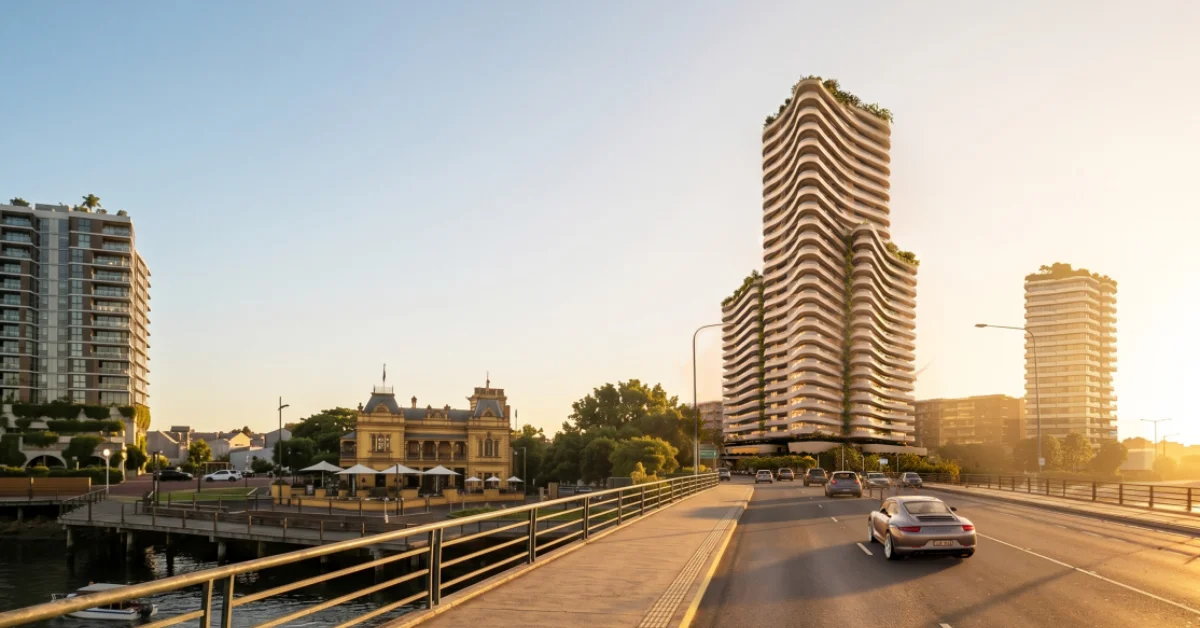
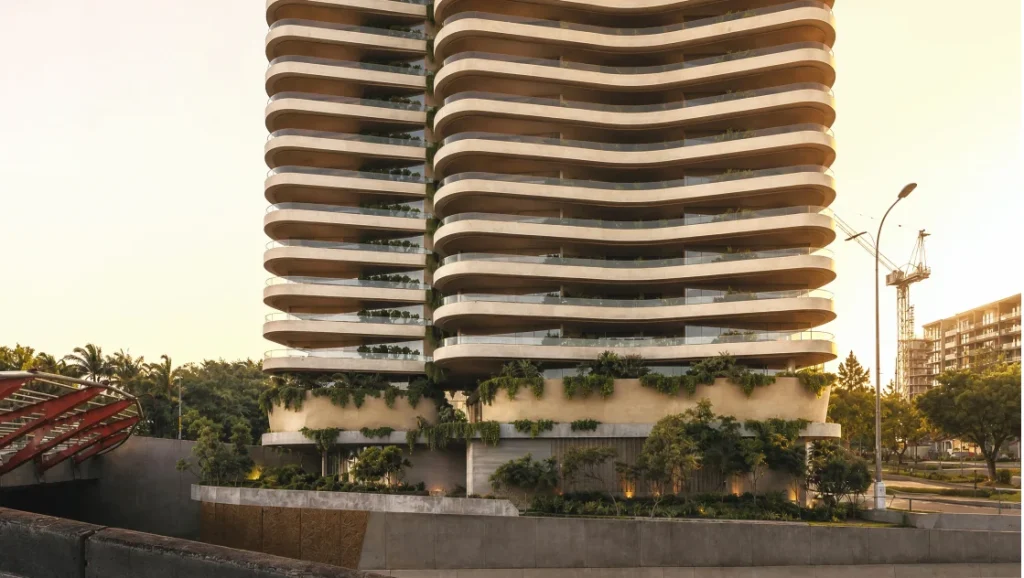
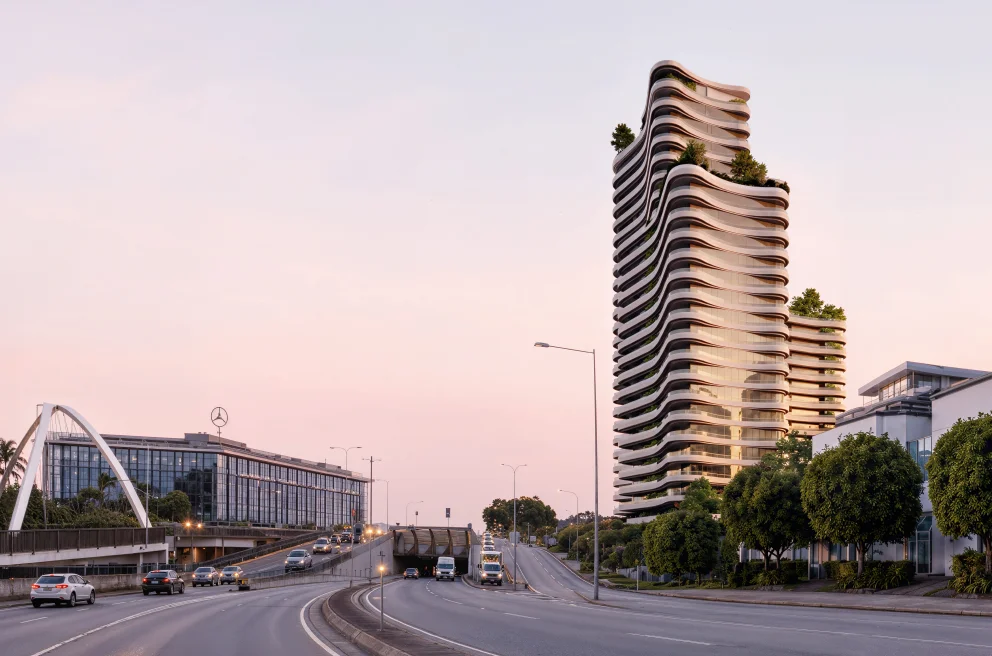
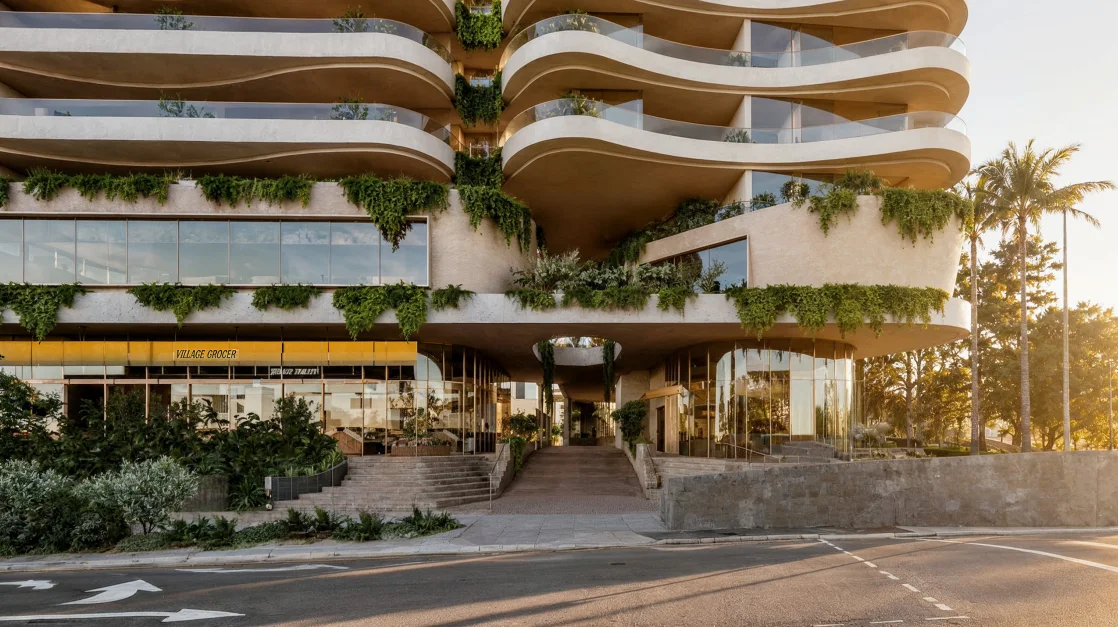
An Albion development proposed for 60 Kingsford Smith Drive would rise to 28 storeys across three stepped tower forms, with 166 apartments above retail, hospitality and recreation uses.


Plans have been lodged for Avela on an approximately 2,433-square-metre site incorporating 60 Kingsford Smith Drive and 9–11 Amy Street, beside the Breakfast Creek Hotel.

Frank Developments is identified as the developer, while 60 KSD Pty Ltd ATF 60 KSD Property Trust is listed as the primary applicant. Town Planning Alliance is the consultant and Kennon designed the proposed building.

BCC lists 1 July 2026 as the submission date for development application A007058743. The application covers building work and a material change of use for multiple dwellings, a shop, a food and drink outlet, and indoor sport and recreation.

The impact-assessable application remains in progress and is listed as being with the customer.

 Frank Developments
Photo Credit: DA/A007058743

Albion Development Seeks Height Above Neighbourhood Plan

Avela would comprise three tower elements that step down across the site. The tallest would reach 28 storeys at the main corner, followed by a 19-storey element to the east and a 17-storey section to the north.

At its highest point, the proposal would reach approximately 98 metres above ground, with a rooftop level of about RL 99.8.

The land has an acceptable height of 10 storeys under the Albion neighbourhood plan. The application seeks assessment through a performance-based approach for the proposed additional height.

The planning case refers to taller projects already approved along the surrounding corridor. These include the 28-storey Breakfast Creek Quarter, a 19-storey development at 92 Kingsford Smith Drive and a 17-storey development at 11 Sandgate Road.

 Kingsford Smith Drive
Photo Credit: DA/A007058743

Apartment Mix Includes One Rooftop Penthouse

The 166 proposed apartments comprise 105 two-bedroom homes, 16 two-bedroom homes with multipurpose rooms and 44 three-bedroom residences.

One four-bedroom penthouse would occupy the upper section of the tallest tower and include a private rooftop garden on Level 26.

Single-loaded circulation is proposed to support natural airflow through the apartments. Lobbies and corridors would remain open to the outside rather than being enclosed and mechanically cooled.

Other passive design measures include building orientation, solar-responsive shading and deep western eaves intended to reduce reliance on mechanical cooling.

Landscaping would extend through ground-level planting, podium planters and rooftop gardens on Levels 16, 18 and 26. The plans identify approximately 2,571 square metres of deep planting, planters and landscaped areas, including 343 square metres of deep planting at ground level.

Albion development
Photo Credit: DA/A007058743

Public Pickleball Court Planned Within Podium

The publicly accessible podium would contain a 290-square-metre retail tenancy intended for a boutique grocer and a 74-square-metre café facing Amy Street.

A 437-square-metre indoor pickleball court on Level 1 would be available to both residents and the public.

About 1,945 square metres of communal recreation space is proposed across Levels 1, 16 and 18. The Level 1 facilities would include a gym, yoga room, sauna, spa, cold plunge, hydrotherapy pool, therapy rooms and resident co-working space.

North-facing terraces on Levels 16 and 18 would each provide a swimming pool, pool lounge, outdoor seating and landscaping.

Access Consolidated Through Amy Street

One vehicle crossover on Amy Street would replace four existing crossovers across the three combined properties.

Parking would be provided through a ground-level area and four basement levels, with 226 resident spaces and 26 visitor spaces. The proposal also includes four motorcycle spaces and 108 bicycle spaces.

New 1.8-metre footpaths are planned along all street frontages. The site is near the Lores Bonney Riverwalk, Yowoggera Green Bridge and the future Golden Glider bus service along Kingsford Smith Drive.

Four lifts would serve the building. Three would operate within the main residential core, including one combined passenger and loading lift, while another would serve the northern lobby.


Dates for public notification and a council decision have not been listed. Properly made submissions may be lodged during the formal public notification period once it begins.

Published 14-July-2026

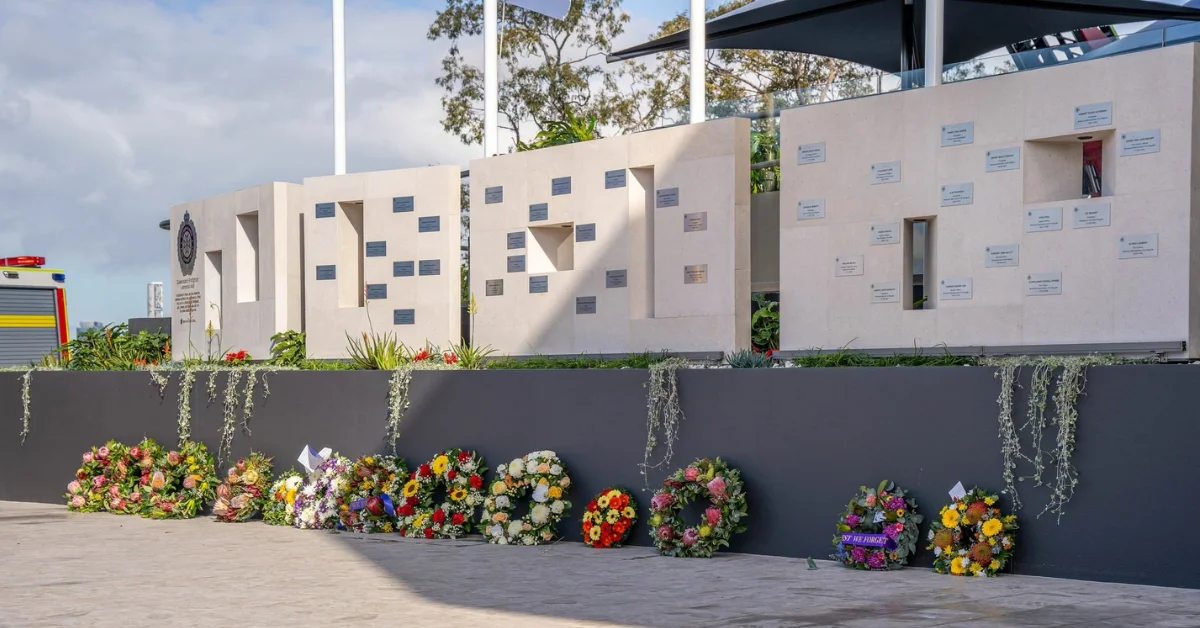
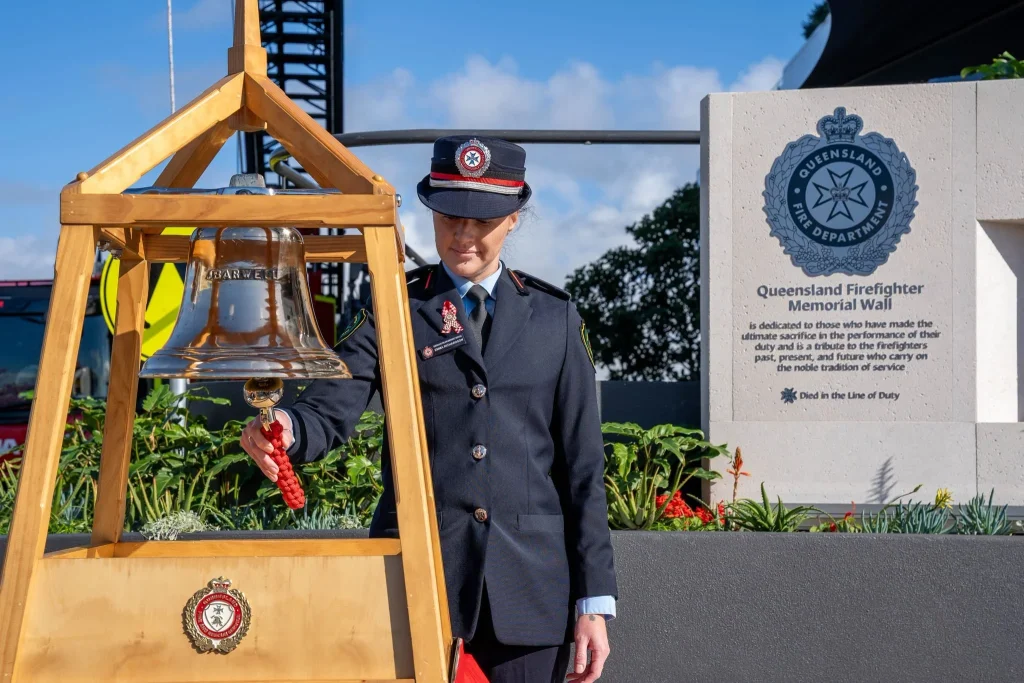
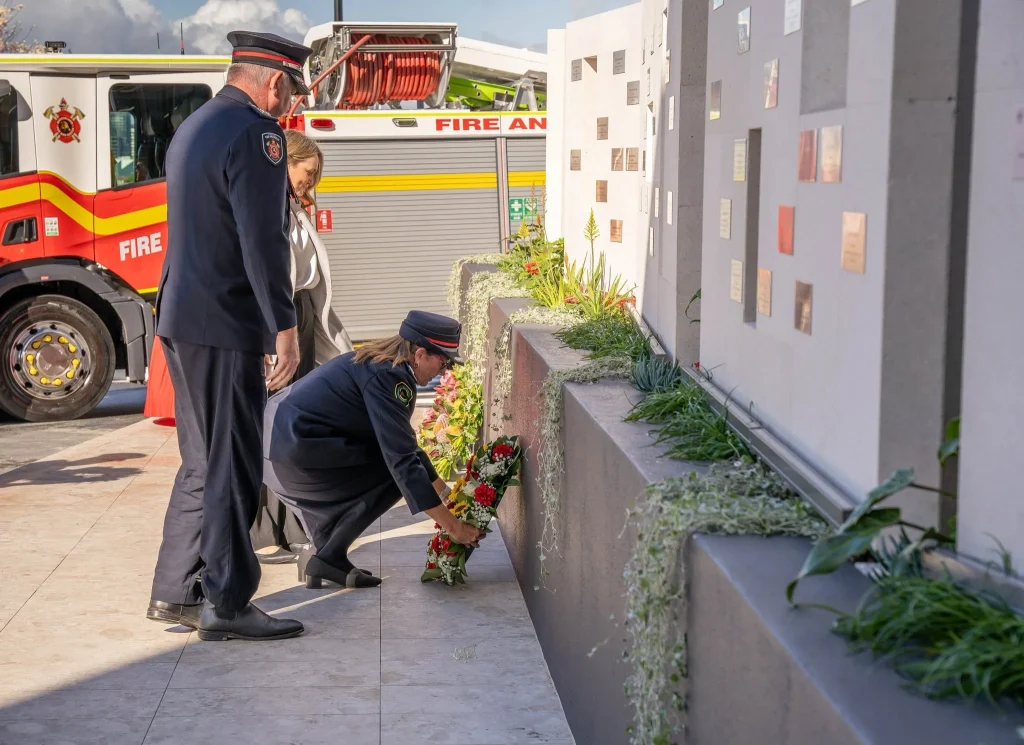
Albion Memorial Wall Gives Fallen Firefighters a Lasting Place of Honour

A new memorial wall at Queensland Fire Department Headquarters in Albion has created a public place of remembrance for 60 firefighters who died in the line of duty while protecting Queensland communities.


A 12-metre memorial wall has been unveiled at Queensland Fire Department Headquarters in Albion, carrying the names of 60 Queensland firefighters who died in the line of duty.

The wall stands at the entrance to the new headquarters, giving the tribute a prominent and publicly viewable place within the facility. It honours Queensland Fire and Rescue and Rural Fire Service firefighters whose service ended while protecting communities across Queensland.

Memorial wall at Albion headquarters
Photo Credit: QFD/Facebook

The earliest name listed is Brisbane volunteer firefighter James Thomas Mooney, who died on 25 March 1877.

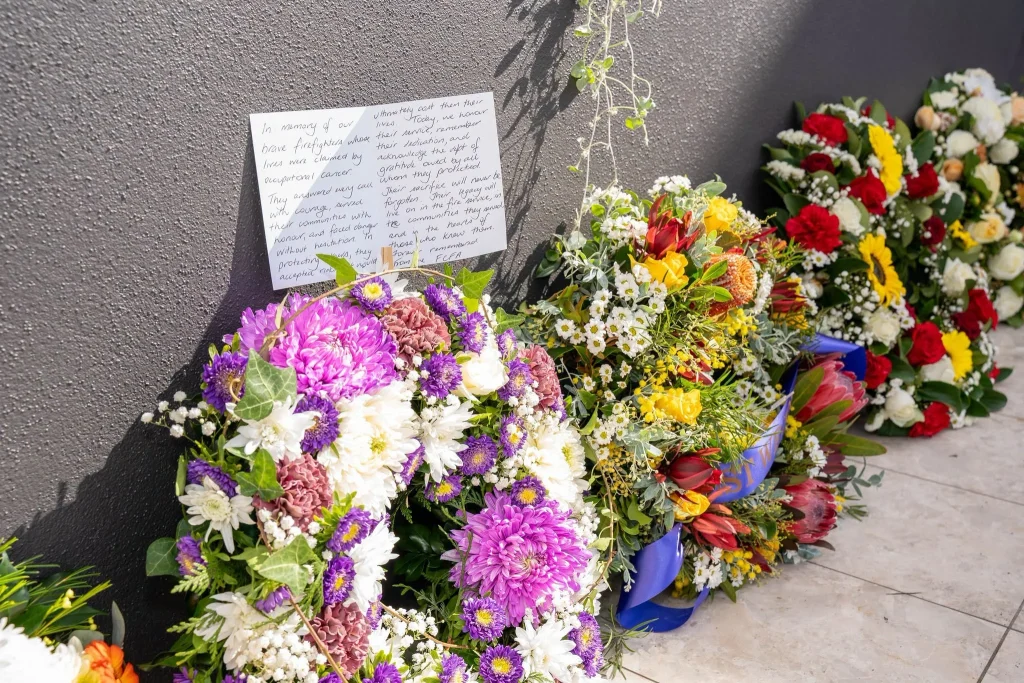
Family and friends gathered for the opening of the memorial wall, marking a formal moment of remembrance for those named on the tribute. The wall is open for relatives, friends, QFD personnel and members of the public to view.

A Public Place for Remembrance in Albion

The memorial has been installed as part of the new QFD headquarters in Albion, following an extensive refurbishment of the facility.

The headquarters is now home to more than 900 QFD personnel. With the wall positioned at the entryway, the names of fallen firefighters are placed where they can be seen by those working at the site and by visitors to the headquarters.

Fallen firefighters honoured in Albion
Photo Credit: QFD/Facebook

Its public location gives families, colleagues and the wider community a clearer place to remember firefighters who died in service. Rather than being limited to internal recognition, the memorial brings those names into a visible space connected to the ongoing work of Queensland’s fire services.

The opening also marked the launch of Queensland Fire Legacy, a dedicated charity supporting QFD staff, volunteers and their families.

Community Response Follows Opening

Public responses to the memorial described it as a fitting tribute to fallen firefighters and a permanent reminder of the risks faced by frontline crews.

Several comments shared after the opening thanked those involved in creating the wall, while others offered messages of remembrance for the firefighters whose names are now displayed at the Albion headquarters.

QFD memorial wall entrance
Photo Credit: QFD/Facebook

The feedback centred on the wall’s role as a respectful and lasting tribute, particularly for the 60 firefighters recognised for losing their lives while serving Queensland communities.


Future plaques on the memorial wall will also recognise personnel lost as a result of service, including deaths linked to recognised presumptive illnesses.

The memorial wall was officially unveiled on 19 June 2026.

Published 23-June-2026

Hudson Road Albion Apartment Tower Proposal Details 12-Storey Build at Moore Street Corner

Plans propose a new Albion apartment tower on Hudson Road, with a twelve-storey residential building planned for a prominent corner site near Moore Street.


A development application seeks approval for a high-density apartment building at 32 and 34 Hudson Road, Albion, which would add eighty-eight new homes to the suburb. The site sits opposite established mixed-use areas and within walking distance of Albion train station, cafés and everyday services, positioning the project as a residential infill development rather than a greenfield build.

What is Proposed for Hudson Road

The proposal involves consolidating two adjoining allotments at the Hudson Road and Moore Street corner into a single development site of about 1,548 square metres. Plans show a twelve-storey building with a total height just under forty-five metres.

Albion apartment tower
Photo Credit: DA A006923631

The development includes eighty-eight apartments made up of one, two and three-bedroom layouts. Most of the homes are two-bedroom units, with smaller numbers of one and three-bedroom apartments aimed at a mix of singles, couples and families. Private balconies are included for each apartment, with sizes varying depending on the unit type.

The building includes three basement levels that provide one hundred and twenty-four car parking spaces for residents and visitors. The plans also include bicycle parking, storage and building services areas.

Ground Level and Shared Spaces

At street level, the building addresses both Hudson Road and Moore Street, with the main lobby located on the corner. The ground floor also includes a co-working space for residents, visitor parking and landscaped entry areas intended to soften the building’s interface with the street.

Communal facilities are spread across the podium and rooftop levels. Plans include shared open space, landscaped areas, a rooftop garden, swimming pool and barbeque facilities. The design positions these spaces to provide outlook and separation from surrounding properties while giving residents access to outdoor areas within the building.

Design and Local Context

Architectural plans describe a contemporary tower with articulated façades, recessed balconies and varied materials to break up the building’s bulk. The design responds to Albion’s ongoing shift toward higher-density living, particularly around major roads and transport corridors.

Albion apartment tower
Photo Credit: DA A006923631

The Hudson Road site sits within an area already transitioning from older industrial and commercial uses to mixed-use and residential development. Nearby approvals include taller residential and mixed-use projects along Albion Road and within the wider Albion Exchange precinct, placing the proposed building within an emerging high-density pocket of the suburb.

Traffic, Access, and Infrastructure

The proposal provides vehicle access from both Hudson Road and Moore Street, using the site’s dual frontage. The design directs basement parking access internally, reducing reliance on on-street parking.

The application notes the site’s proximity to public transport, including Albion train station, as well as bus routes and nearby cycling connections. A sustainable travel plan accompanies the proposal, encouraging reduced car reliance through bicycle facilities and access to local services.

Infrastructure reports submitted with the application confirm the site already connects to existing water, sewer and stormwater networks, with the design including on-site detention to manage runoff.

Community Concerns

One formal objection has been submitted in response to the application. The submission raises concerns from an adjoining property owner on Moore Street, focusing on potential impacts to an established trade and business use next door.

Albion apartment tower
Photo Credit: DA A006923631

Issues raised include traffic movements on Moore Street, parking overflow, construction disruption, building height and the relationship between residential living and nearby commercial activity. The objection also questions setbacks, overshadowing and servicing arrangements given the proximity of the proposed building to the neighbouring site.vas

The application material addresses these matters through traffic, noise and air quality assessments, along with proposed building setbacks, acoustic treatments and on-site servicing arrangements. The assessment process will consider these issues.

What Happens Next

The assessment will consider the Albion apartment tower proposed for 32 and 34 Hudson Road against the area’s planning framework, including building design, transport, amenity and neighbourhood character.

If approved, the project would add a substantial number of new homes to Albion in a location already earmarked for higher-density living close to transport and services.

More information is available at DA A006923631.


Published 06-February-2026.

Albion Schoolboy’s 1958 Fossil Find Confirmed as Australia’s Oldest Dinosaur Footprint

A dinosaur footprint collected by a schoolboy at a quarry in Albion in 1958 has been confirmed as Australia’s oldest known dinosaur trace fossil, reshaping understanding of the country’s prehistoric timeline and securing a lasting scientific legacy for the suburb.


The Find at Albion

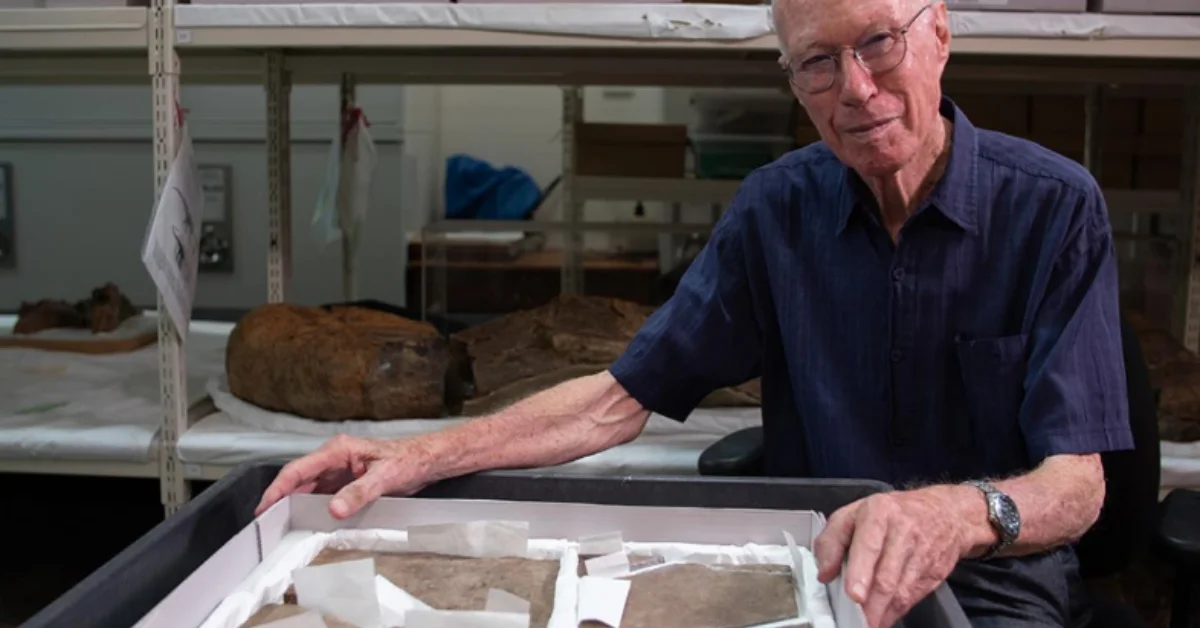
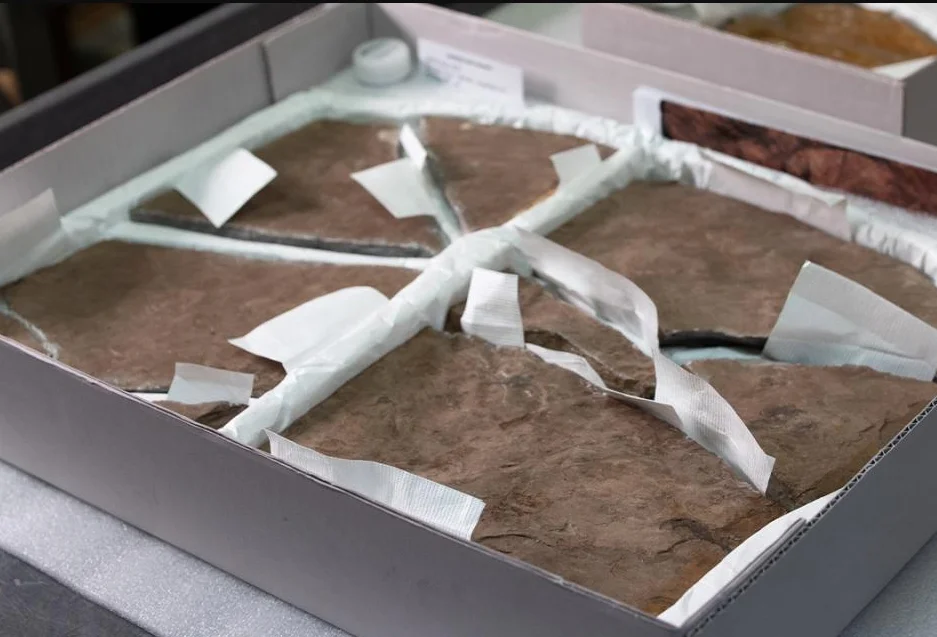
In 1958, Professor Bruce Runnegar, then a Brisbane Grammar School student, visited Petrie’s Quarry at Albion with school friends and removed a slab of fine-grained shale bearing a clear footprint impression. Born in Brisbane, Professor Runnegar was already familiar with the quarry through earlier fossil-hunting visits.

At the time, the markings were suspected to be dinosaur tracks, but no formal study followed. No photographs or measurements were taken, and the slab was removed from a newly exposed track surface without documentation. In subsequent decades, residential development rendered the original quarry site permanently inaccessible, eliminating any opportunity to revisit the footprint in situ.

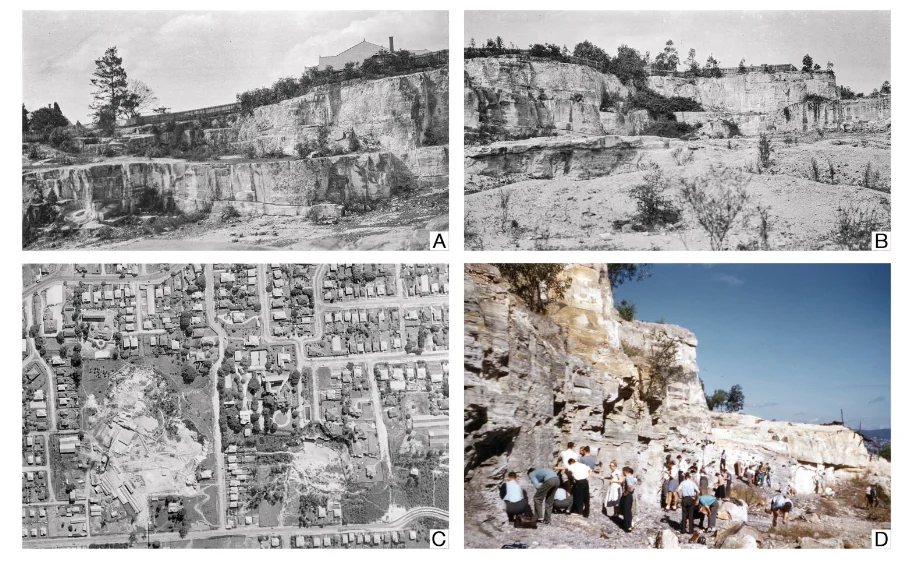
Petrie’s Quarry
Caption: Petrie’s Quarry, Albion: Historical views of the quarry from the early twentieth century, a 1936 aerial photograph, and a 1959 geology excursion show the sandstone workings where the dinosaur footprint was recovered from the quarry’s north-western corner.
Photo Credit: Alcheringa: An Australasian Journal of Palaeontology 

Albion’s Geological Setting

Long before Albion became a residential inner-north suburb, the area was defined by prominent sandstone bluffs and extensive quarrying. Petrie’s Quarry was worked from the nineteenth century and was known among geologists for its Triassic rock layers and fossilised plant material.

The quarry cut through the Aspley Formation, a Late Triassic geological unit dating to around 230 million years ago. Sandstone extracted from the site was later used in construction across Brisbane, embedding material from Albion’s deep geological past into the city’s built environment. By the mid-twentieth century, the quarry remained accessible to students and amateur collectors, even as urban development expanded around it.

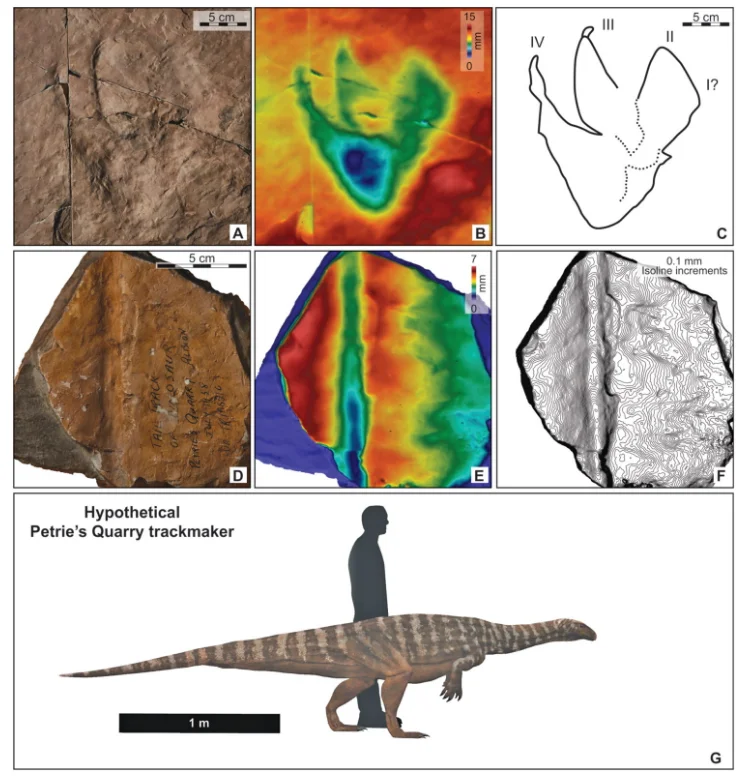
Australia’s oldest dinosaur trace fossil
Caption: Ichnofossils from Petrie’s Quarry, Albion: The dinosaur footprint and associated tail trace from the Aspley Formation are shown alongside elevation maps, schematic interpretations, and a life reconstruction of the trackmaker scaled against a human figure.
Photo Credit: Alcheringa: An Australasian Journal of Palaeontology 

From Schoolboy to Scientist

The fossil remained in Professor Runnegar’s care for decades. He went on to study at The University of Queensland, before building an academic career that included teaching and research positions at the University of New England in Armidale and later at the University of California, Los Angeles. Throughout that time, the Albion footprint travelled internationally as part of his teaching collection.

Now 85, Professor Runnegar is a UQ Honorary Professor and a co-author of the research that formally documented the fossil. The continuity between the schoolboy who collected the footprint and the academic who later helped describe it underpins the specimen’s eventual recognition.

dinosaur footprint
Caption: The 18.5-centimetre dinosaur footprint was collected at Petrie’s Quarry in Albion by a teenager in 1958 and remained unstudied for more than six decades.
Photo Credit: The University of Queensland

Formal Scientific Recognition

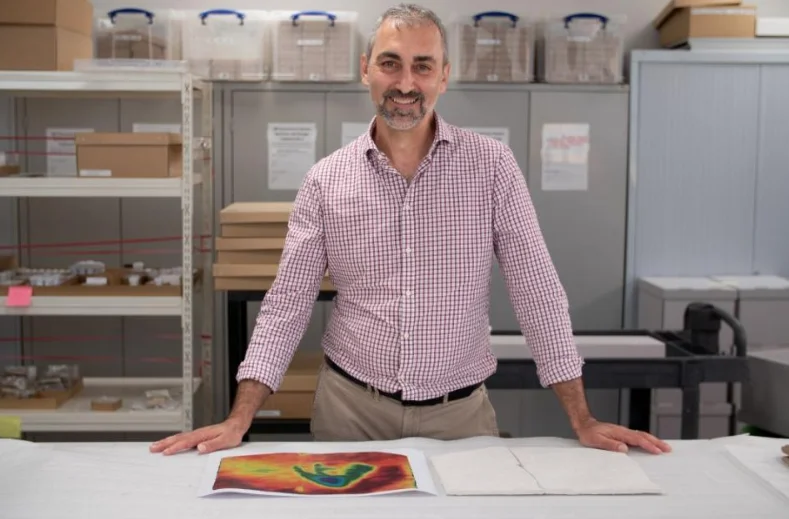
The footprint was formally examined decades later by Dr Anthony Romilio, a palaeontologist with the Dinosaur Lab at The University of Queensland. Using modern digital documentation and analytical techniques, the specimen was studied in detail for the first time.

The analysis confirmed the footprint dates to the Carnian stage of the Late Triassic period, approximately 230 million years ago, and originates from the Aspley Formation. This places the track significantly earlier than any previously confirmed dinosaur evidence in Australia, establishing it as the earliest known dinosaur trace fossil in the country.

The footprint measures 18.5 centimetres and preserves the impression of a small, two-legged dinosaur consistent with an early sauropodomorph, a primitive relative of later long-necked dinosaurs. Modelling indicates the animal stood about 75 to 80 centimetres at the hip, weighed roughly 140 kilograms, and was capable of relatively fast movement for its size.

University of Queensland
Caption: Dr Anthony Romilio used specialised software to recreate a three-dimensional cast showing how the Albion dinosaur footprint would have appeared when it was first formed.
Photo Credit: The University of Queensland

Albion’s Enduring Legacy

The research established the footprint as the first confirmed dinosaur fossil found within an Australian capital city. With Petrie’s Quarry long redeveloped, the specimen represents the only surviving dinosaur evidence from that Albion locality.

The fossil is now housed at the Queensland Museum, where it is available for ongoing research. The formal scientific description was published in Alcheringa: An Australasian Journal of Palaeontology in February 2026.


What began as an undocumented schoolboy discovery at an Albion quarry has since become a foundational reference point in Australia’s dinosaur history, linking a small inner-Brisbane suburb to one of the earliest chapters of life on the continent.

Published 3-Feb-2026

Restaurant Closures Leave Vacancies Along Albion’s Sandgate Road

Several hospitality venues along Sandgate Road in Albion have closed or changed hands, with some premises left set up and vacant.


Tables Set, Doors Closed

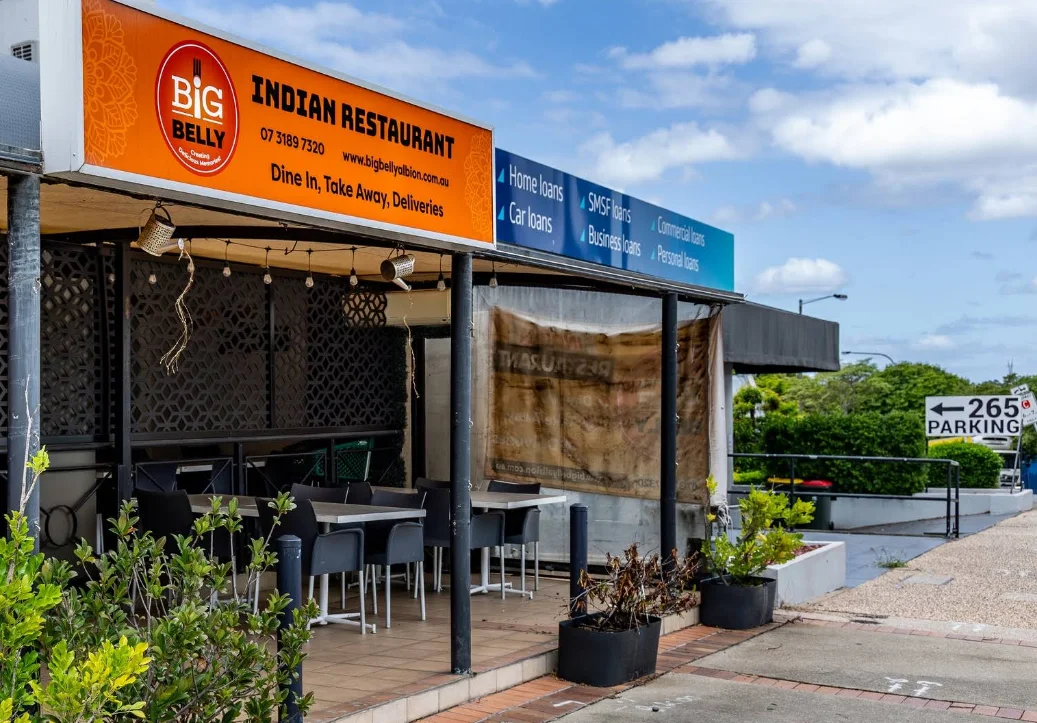
Big Belly, on Sandgate Road in Albion, closed without warning just before Christmas, with indoor tables still set and the menu left displayed at the entrance.

Further along the strip, Little Lamb Albion remained closed more than a year after shutting, with items including glassware, fridges and an EFTPOS machine still visible inside.

Albion restaurant closures
Photo Credit: Google Maps

More Closures Across The Precinct

Vaquero Dining, a Spanish restaurant located nearby, closed in October 2025 despite strong reviews. Nutmeg Indian Cuisine also closed in 2023, adding to a run of hospitality turnover along the strip.

Sandgate Road Albion
Photo Credit: Google Maps

Tenancies Shifting And Leases Ending

A wine bar beside Olive & Thyme changed operators a few weeks before the report, after the previous owner exited.

Nearby on Collingwood Street, Brewtide Brewery announced in September it would not renew its lease after four years of trading.

Costs, Competition And Capacity

A long-running local operator cited ongoing increases in rent, interest rates, produce costs and wages as continuing pressures since the pandemic period.

Retail analysis referenced in the reporting suggested the Sandgate Road strip may only be able to support a limited number of restaurants, particularly where long-established venues have remained in place for decades.

Albion restaurant closures
Photo Credit: Google Maps

What People Are Saying

Some community responses focused on affordability and the number of venues competing in the same area, while others clarified the closures related to Albion, not similarly named venues operating in other suburbs.

What Happens Next


Vacant shopfronts were visible along the Sandgate Road strip at the time of the walk-through, with several spaces advertised for lease, indicating further change may still be underway.

Published 20-Jan-2026

Allan Border Field Hosts Annual Goodwill Cricket Cup

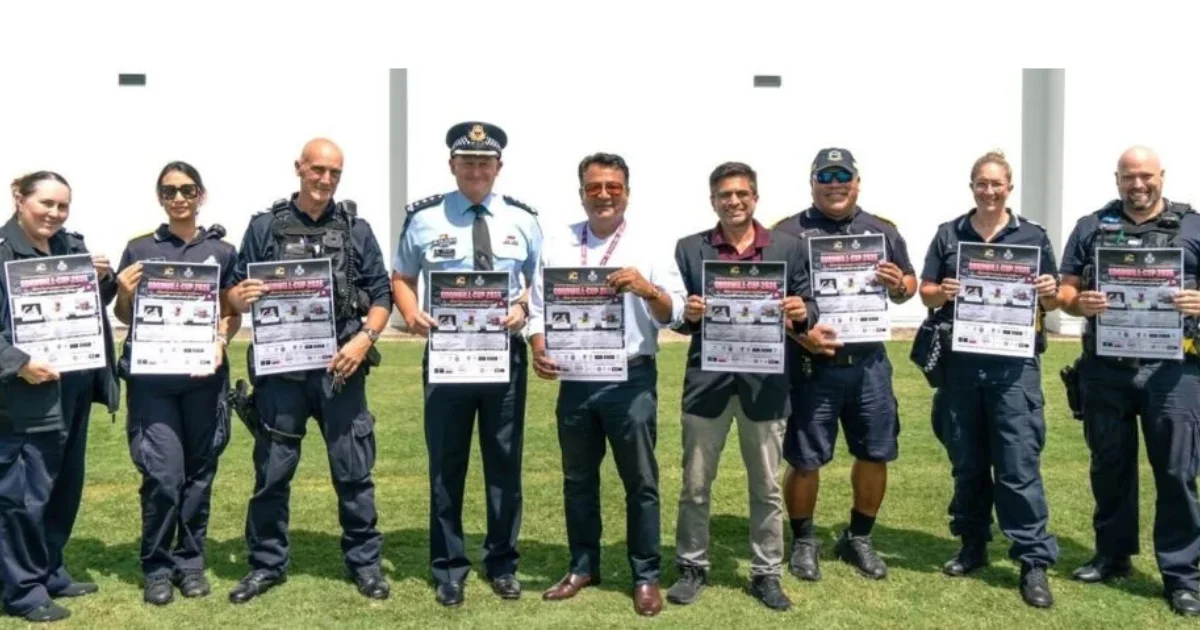
Allan Border Field in Albion will once again host the annual Goodwill Cricket Cup on 7 February, bringing together police, multicultural communities and cricket enthusiasts for a cause that extends far beyond the boundary rope.


Read: Harness Racing to Remain in Brisbane With New Racing Precinct in Albion


What’s On

The free community event kicks off at 11am with a cricket match between the Institute for Australia-India Engagement, Brisbane (South Asia) XI and the Queensland Police Service cricket team. The match takes place at Allan Border Field, located at 1 Greg Chappell Street, Albion, on the same ground that regularly hosts Queensland Bulls and Brisbane Heat fixtures.

Gates open to all community members, with organisers emphasising that families and supporters are especially welcome to enjoy a fun, family-friendly day out. Spectators can watch the cricket, connect with police and community leaders, and stand together in solidarity against domestic and family violence.

More Than Just Cricket

According to Queensland Police’s Brisbane North command, the Goodwill Cup champions awareness of domestic and family violence, promoting the powerful message: break the silence, end the violence. The annual fixture brings together multicultural communities, police and representatives from state and federal government agencies to promote community engagement, inclusion and connection across Brisbane’s northern suburbs.

Photo credit: QPS

Inspector Wayne Clayton will join the QPS cricket team and local police officers at the event, reinforcing the service’s ongoing commitment to strong community partnerships. The Institute for Australia-India Engagement, a Brisbane-based organisation dedicated to strengthening Australia-India relations through research, policy dialogue and community engagement, has partnered with Queensland Police to organise the fixture.

Community Connections

For families attending, the day promises multiple opportunities for engagement beyond watching the match. Community members will be able to meet representatives from the QPS recruitment team. Multicultural Police Liaison Officers will also be on hand.

Cricket enthusiasts may also get the chance to meet former Australian international cricket legends who are expected to attend the event.

Throughout the day, visitors can enjoy a variety of South Asian food trucks and refreshment vendors, ensuring authentic cuisine is available for purchase. The food offerings reflect the multicultural character of the event.

The venue itself holds special significance within Australian cricket. Allan Border Field forms part of the National Cricket Campus and has been upgraded to international standard over recent years. The facility has hosted Women’s Twenty20 International matches and Sheffield Shield finals, with major fixtures drawing crowds exceeding 10,000 spectators.

Why It Matters

Queensland Police encourages local residents from Ascot, Albion and surrounding suburbs to attend this free event, emphasising that community participation sends a strong message of solidarity against domestic and family violence. The Goodwill Cup demonstrates how sport can serve as a unifying force, bringing together diverse communities around shared values of respect, inclusion and the rejection of violence in all its forms.

In a region as culturally diverse as Brisbane’s northern suburbs, events like the Goodwill Cup create important spaces for connection, conversation and collective action on issues that affect all communities. The combination of cricket, culture and community engagement makes this an event worth attending, whether you’re a cricket fan, a family looking for a weekend activity, or someone who wants to support the important cause at the heart of the day.


Read: New Grandstand Planned At Eagle Farm Racecourse


The Goodwill Cricket Cup takes place on 7 February at Allan Border Field, 1 Greg Chappell Street, Albion. Entry is free. The match begins at 11am.

Published 20-January-2026