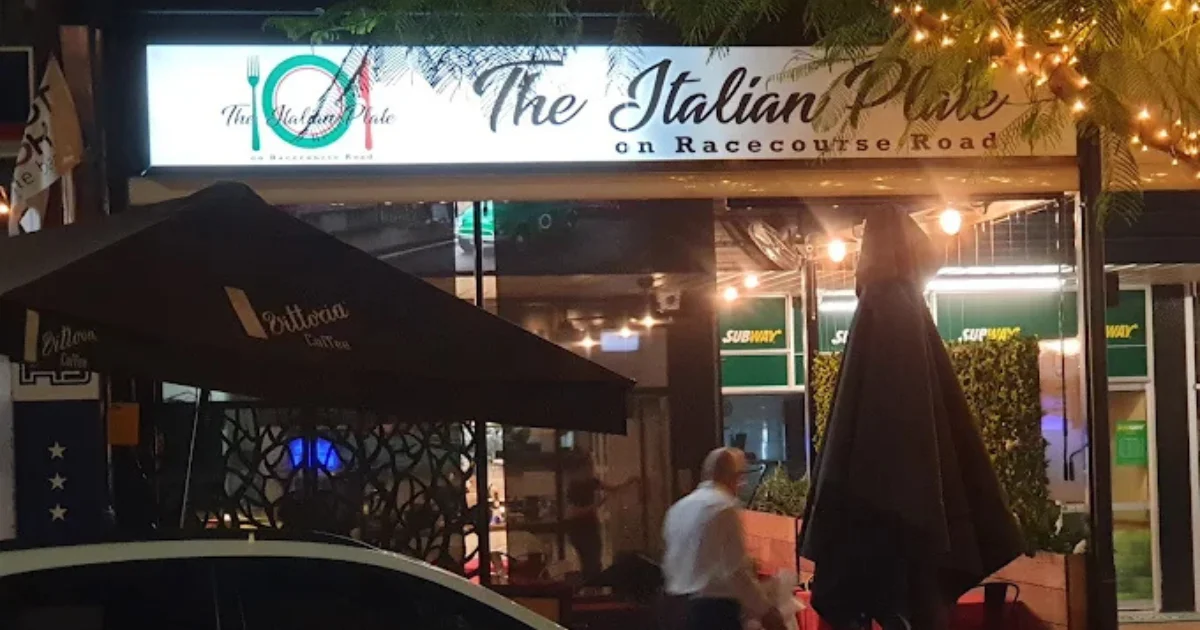
For seven years, The Italian Plate on Racecourse Road has described itself as more than just a restaurant. It has been a place where locals celebrated birthdays, first dates, family dinners and quiet weeknight meals. Now, the much-loved eatery has announced it will close its doors, with its final day of service set for 22 December.
Owners Fernando and Serena shared the news in an emotional farewell message to patrons. The closure comes after developers purchased the land where the restaurant has operated for the past seven years. The announcement confirmed that the team must say goodbye to the space that has been their home since opening.
In their message, Fernando, Serena and the Italian Plate team expressed deep gratitude for the support of their customers. “For the past seven years you’ve welcomed us into your lives… your smiles, stories and support have meant more than we can ever express.”
Photo credit: Facebook/The Italian Plate on Racecourse Rd
The farewell also reflected on the range of occasions that had been celebrated within its walls, from birthdays and first dates to simple weeknight dinners. The owners said the memories shared over meals had shaped the restaurant into something truly special.
Photo credit: Facebook/The Italian Plate on Racecourse Rd
As the final day approaches, the team has invited diners to return and share in the remaining weeks of service. “Come in, raise a glass, and help us fill the room with the laughter and love that have made the Italian Plate so special,” their message said.
The announcement closed with a heartfelt note of thanks, written in both English and Italian. “Grazie mille for every visit, every hug, every empty plate,” the team wrote, signing off with love from Fernando, Serena and all of Italian Plate.
While the restaurant’s doors will soon shut, the farewell message makes clear that the bonds formed there through food, stories and community are what will be remembered most. For the owners and their loyal customers alike, Italian Plate’s legacy will live on far beyond its final service.
Ascot has long been regarded as one of the best places to live in Brisbane, with its affluent neighbourhood and property values maintaining their strong growth. Take a look at its evolution into the blue-chip suburb that it is today.
With a tightly held collection of desirable and beautiful houses, Ascot is known for its picturesque tree-lined streets, hilly residential areas with lovely views of Brisbane, racecourses, and upmarket lifestyle precinct.
Early Ascot
Historically, Ascot was occupied by the Aboriginal Turrbal group, described by explorer John Oxley as “the strongest and best-made muscular men I have seen in any country.”
The Turrbals built hunting grounds near the Brisbane River and established private ownership of specific sections of the area.
Wealthy settlers started moving into Ascot in the mid-1800s, following the clearing of lands and building of basic roads. Pastoralist James Sutherland bought a large portion of land in the area, which was later established as Sutherland Avenue, one of the highly sought-after locations in the suburb.
This section consists of 15 magnificent houses, including the heritage-listed house, Windmere. The Victorian-style house with its iron-lace verandahs is one of the finest examples of Queensland’s colonial architecture.
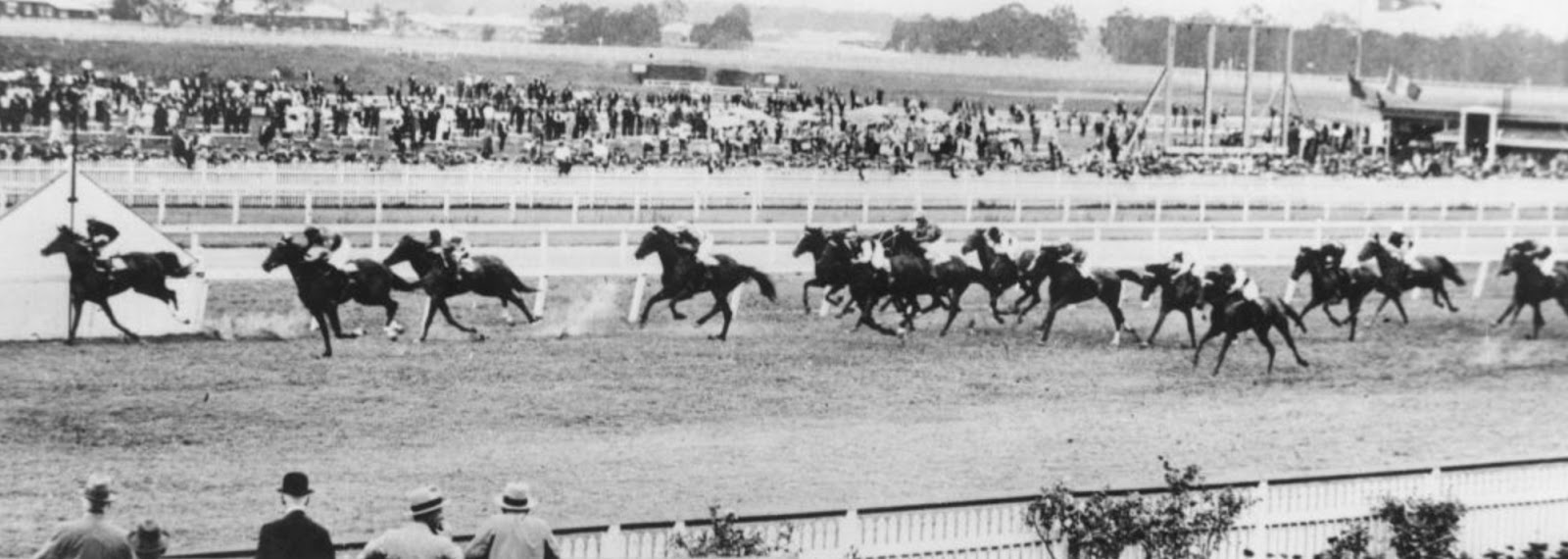
In the 1860s, the Eagle Farm Racecourse was established in Ascot in support of horse racing, one of the earliest sports in Brisbane. Up until the 1920s, racing stables were a frequent sight around the suburb.
Photo Credit: State Library of QueenslandPhoto Credit: State Library of Queensland
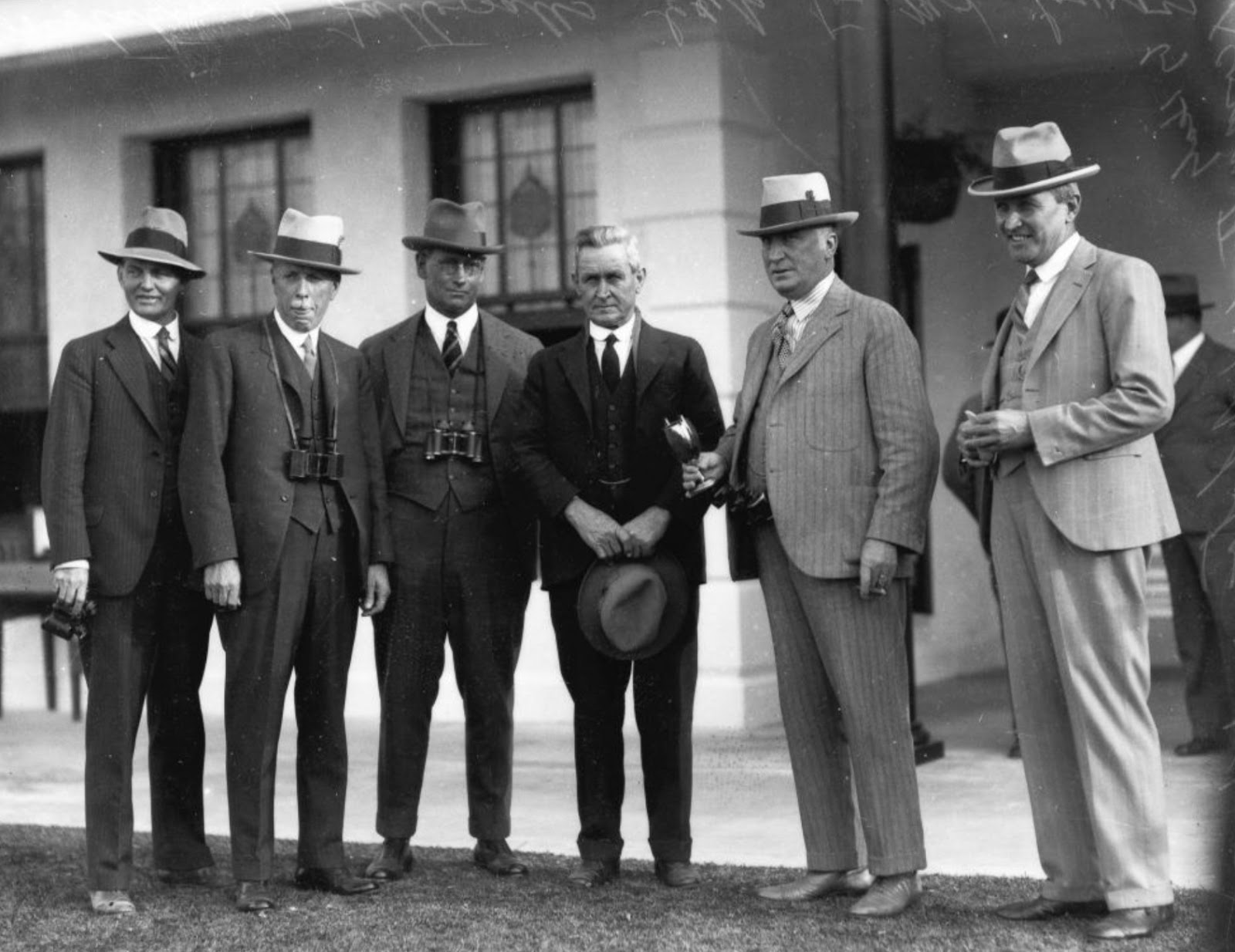
The Doomben Racecourse opened several years later in the 1930s and, like the Eagle Farm Racecourse, became a prominent racecourse in South East Queensland and was well-attended by the region’s most affluent families.
Photo Credit: State Library of Queensland
Doomben was originally a property of The Crown until 1915, when it was bought and turned into a sustainable racing track.
Photo Credit: State Library of Queensland
During World War II, the racecourses were primarily converted into Camp Ascot for the Allied troops. Several buildings and homes in the suburbs were also occupied by the U.S. forces, including the Ascot spy house, Nyrambla, where the Central Bureau intercepted and decoded Japanese transmissions.
Today, the Brisbane Racing Club, formed in 2009, manages the racecourses and preserves the history of thoroughbred horse racing in Queensland.
Urban Growth in Ascot
The establishment of both racecourses spurred the growth of Ascot with the opening of railways and tram services that fostered the development of the residential areas, schools, and shopping strips.
Photo Credit: State Library of Queensland
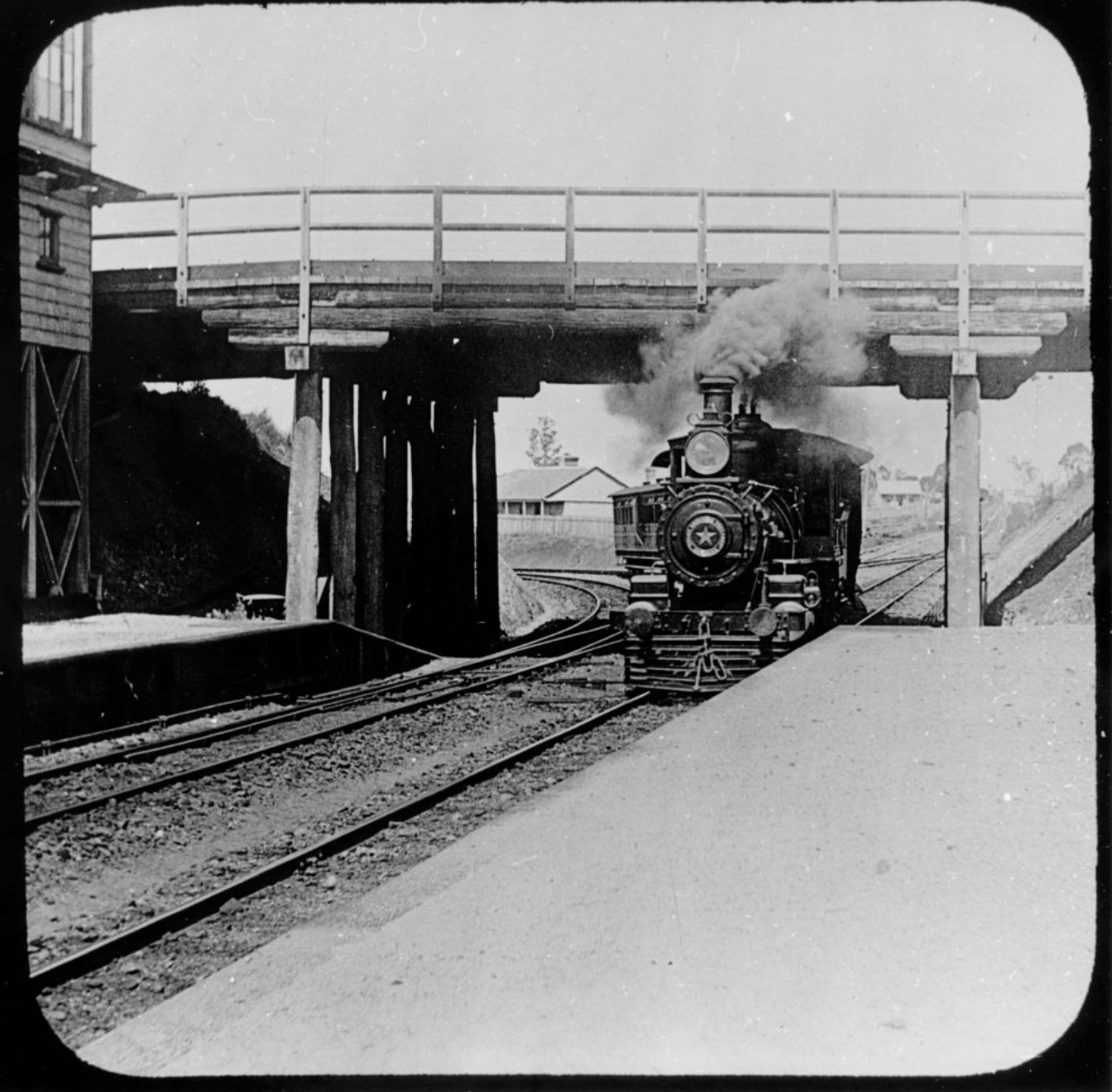
The Ascot Railway, built in the late 1880s, provided convenience for punters and racing aficionados who used to arrive via horse and buggy, shuttlecock boat, or cross river.
After World War I, the Ascot Railway Station was expanded with a second larger building and a pedestrian subway. It was electrified in the 1980s. Today, most of its antiquated features remain but it has been unstaffed and suspended since 1993.
Photo Credit: State Library of Queensland
The Ascot State School opened in the 1920s on Pringle Street, following the dramatic reforms made in the Queensland Education system. Six years prior, Ascot locals determined a need to establish a state school but World War I disrupted its construction until 1919.
When it finally opened, Ascot State School had an initial batch of 124 students, who were not just taught academics but also developed their aesthetic tastes, gardening skills, and sports abilities.
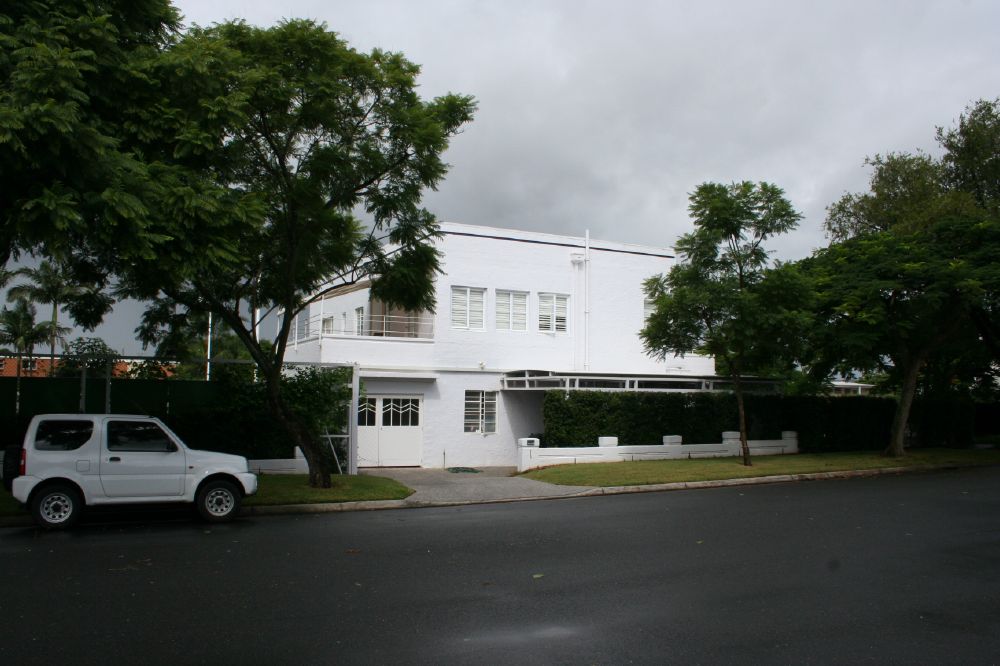
One of the significant homes to be built during Ascot’s astounding urban growth was Chateau Nous along Rupert Trc, which served as an early example of Functionalist domestic architecture in Brisbane.
Photo Credit: Queensland Heritage Listing
The house was built for Brisbane dentist George Stewart and his wife Eileen and was considered as ultra-modern during its time as it featured an electric dumb waiter and a line of electric kitchen appliances.
Photo Credit: Brisbane City Library
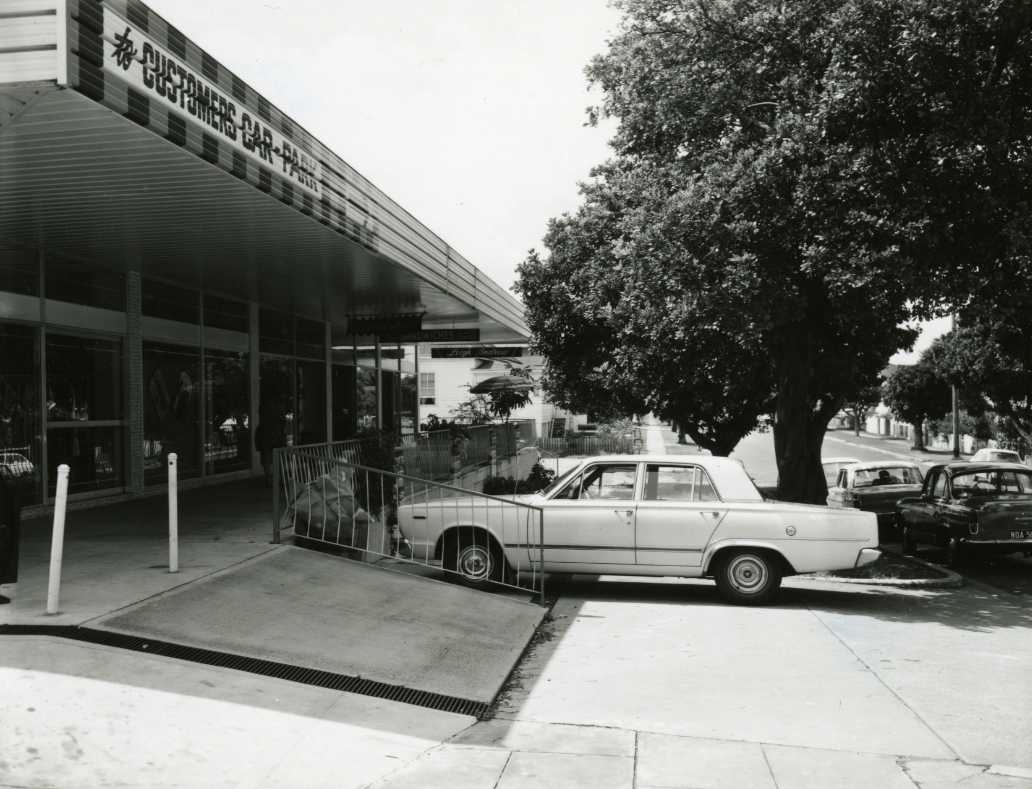
Today, Racecourse Road has become the prime location for the village shops and restaurants that also serve Hamilton locals. It boasts of over 130 businesses.
The tram that once ran down the centre of the street stopped service in the 1960s. Today, Ascot is serviced by four transport stops and TransLink’s CityCat terminal in Bretts Wharf.
An award-winning cafe is coming to Ascot’s Racecourse Rd in 2021.
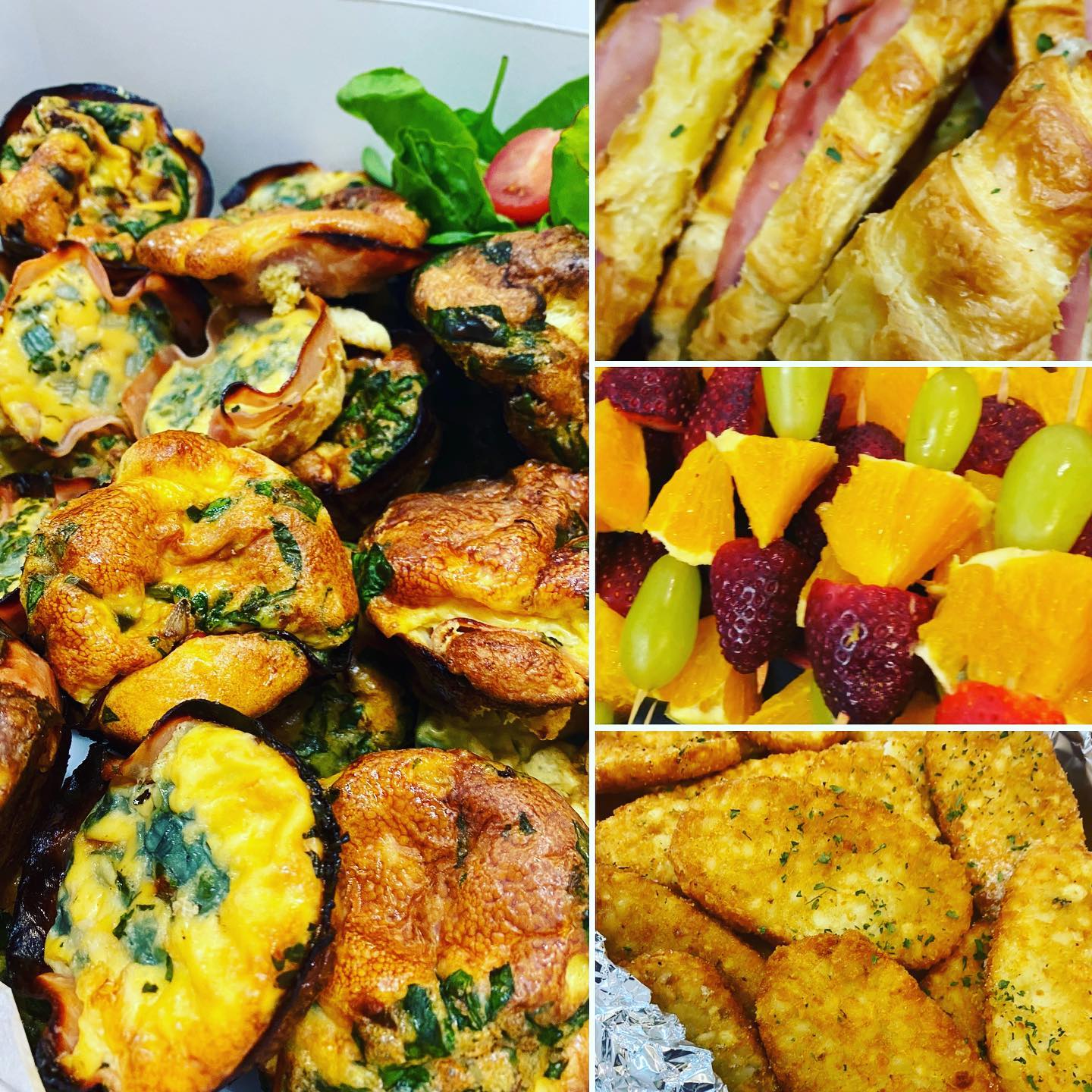
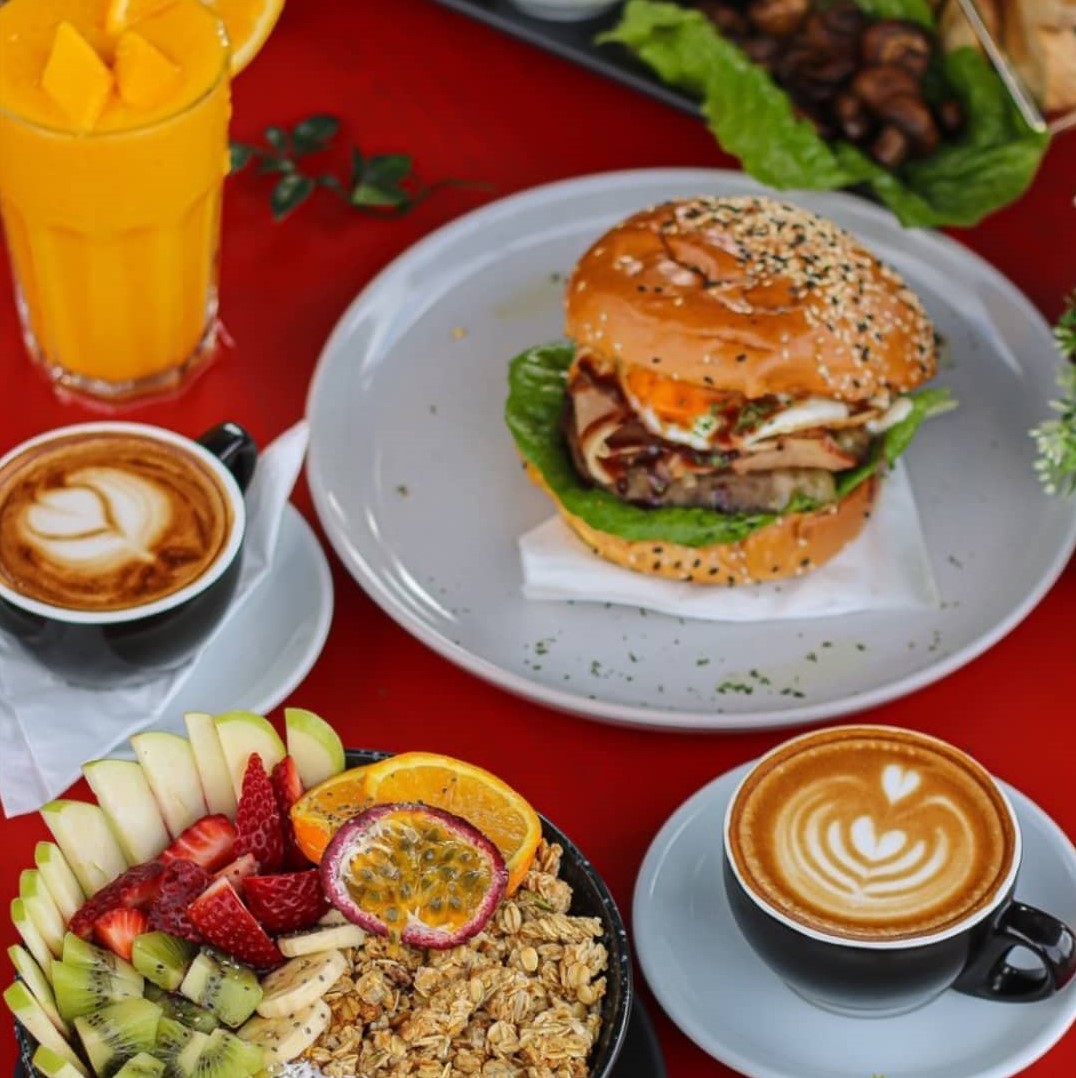
Frigg Cafe Racecourse Rd will be twin owners Maria Elita & Toula Scott’s third Frigg venue after Labrador and Manly West. Taking over the former site of Journey Cafe & Bar, the cafe is set to bring to Ascot its well-loved healthy breakfast and lunch. And if you have any upcoming event, Frigg Cafe has got you covered with their catering service, delivery and pick-up.
Photo Credit: Frigg Cafe & Catering / Facebook
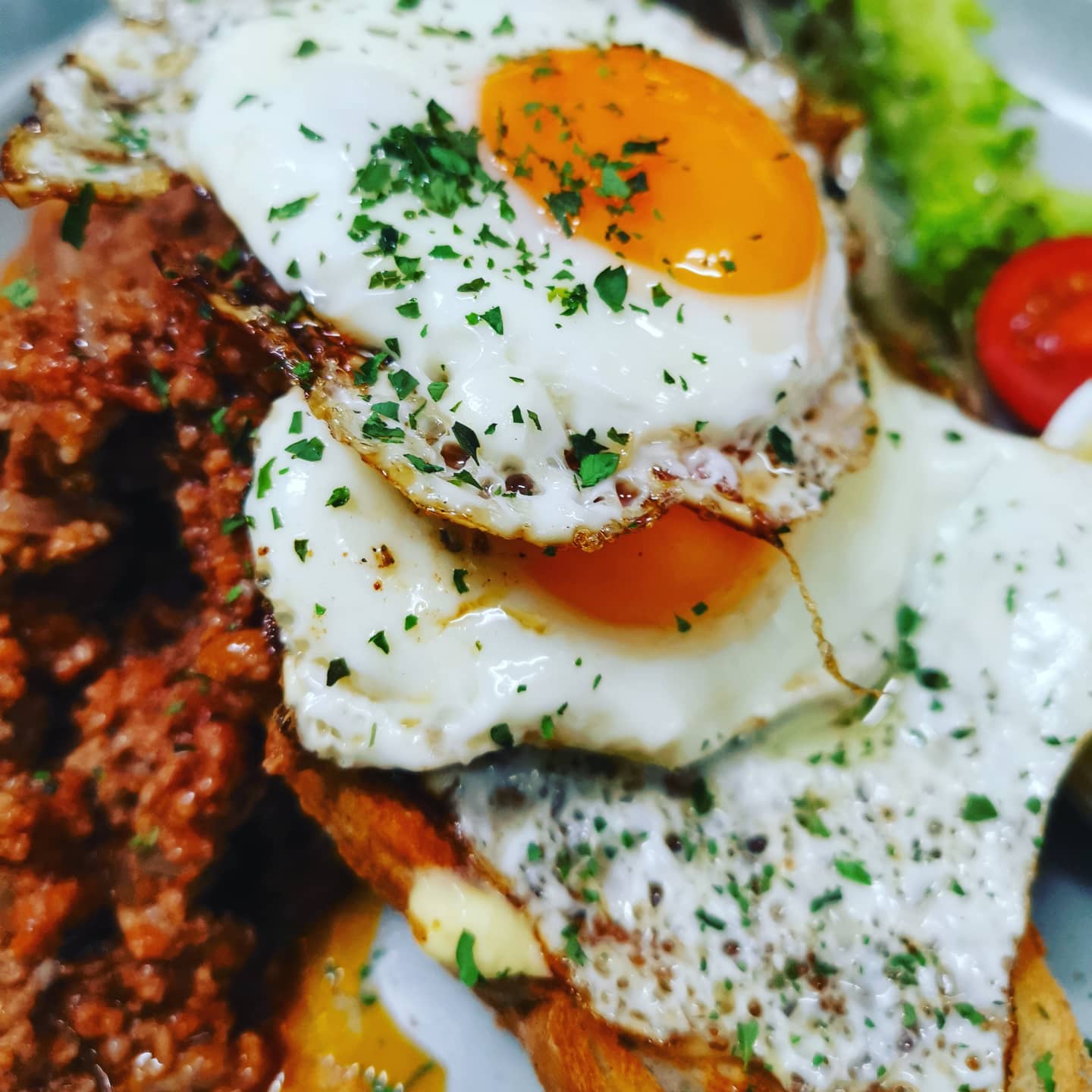
Frigg Cafe takes pride in turning simple breakfast and lunch into something that reminds you of home. Their breakfast menu includes the classics such as Hickory Smoked Bacon burger (Big brioche bun with hickory smoked bacon, melted cheese, and BBQ sauce), The Big Frigg (hickory smoked bacon, two eggs your way, pork sausage, grilled mushrooms,baked beans, and grilled tomato), Allo Avo (a mountain lightly smashed fresh avocado served with lemon and olive oil, topped with soft Danish feta), and Mighty Thor (Frigg’s own savoury grass fed beef mince, piled on sourdough toast and served with two fried eggs and Lea and Perrins Worcestershire Sauce).
If you decide to drop by for a satisfying lunch, some of the hearty meals includes the Classic Cheeseburger (100% Australian grass fed beef patty on a brioche bun, melted cheese, lettuce and tomato sauce), Big Fat Club sandwich (grilled chicken, melted cheese, hickory bacon, cos and tomato double decker on tasted light rye with Aioli), and Chicken Parmi (classic chicken Schnitzel with tomato passata, hand cut leg ham and melted cheese, served with chips and side salad).
Photo Credit: Frigg Cafe & Catering / Facebook
The cafe also offers healthy bowls Acai Lover (served with granola and fresh fruit, and topped with coconut and chia seeds) and Choc Yoghurt Protein Bowl (fresh Greek yoghurt blended with chocolate protein powder and served with granola, seasonal fruit, coconut, and a hint of local honey).
Frigg Cafe which can accommodate up to 80 customers is slated to open either at the end of January or early February.