

Get to Know Windermere and the People Who Once Lived in this Ascot Heritage Home

Windermere is one of Australia’s most beautiful heritage homes. Built in the 19th century by Ruth Sutherland and her husband, it is one of only 15 beautiful, blue-chip homes on the eponymously named Sutherland Avenue in Ascot.

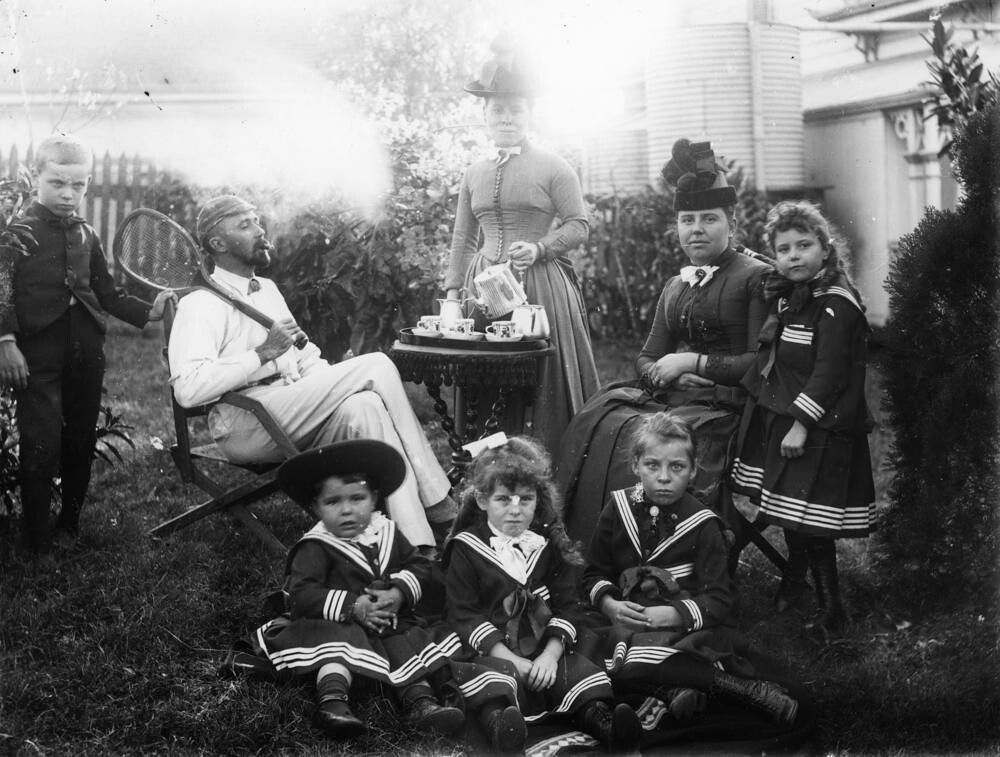
The Appel Family in Windermere
The Appel Family
Photo Credit: State Library of Queensland

Windermere was built for solicitor John George Appel and his wife, Ruth Sutherland in 1886. Ms Sutherland was the daughter of pastoralist James Sutherland who owned many acres of land in the city. 

During their marriage, Mr Appel worked as a solicitor for 10 years before he became a pastoralist and then eventually joined politics as a member of the Hamilton Shire council from 1890 to 1908. Mr Appel also became the mayor of the municipality two times. 

Windermere’s Distinct Features

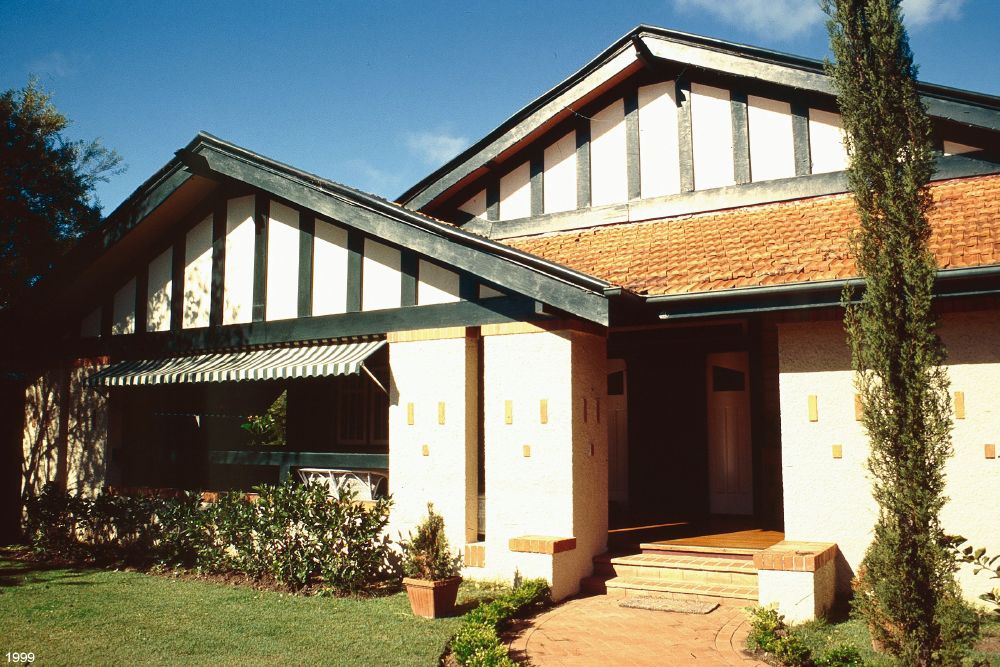
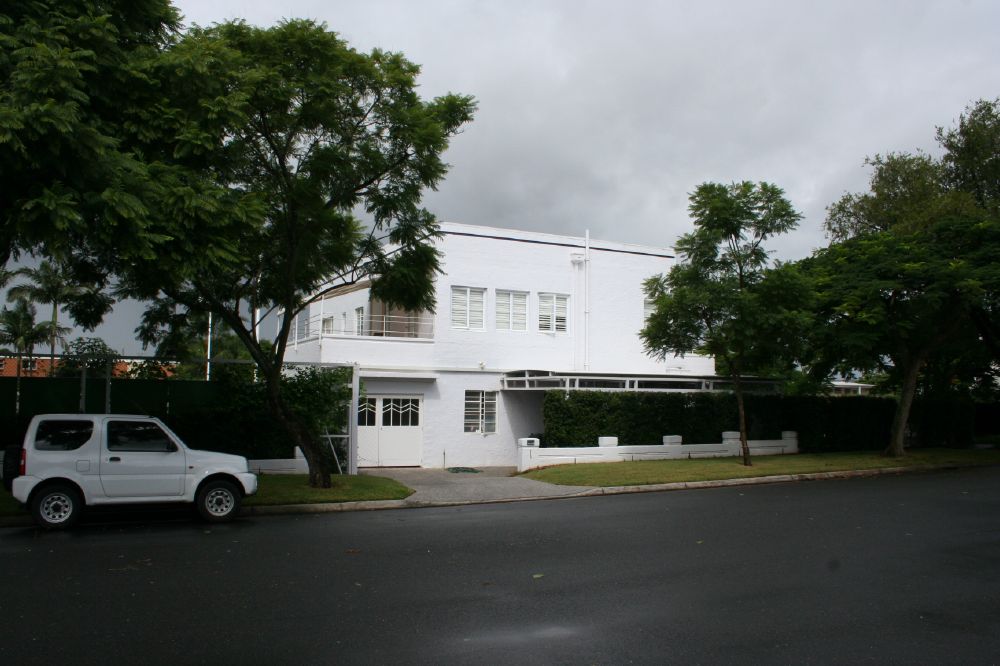
Windermere was built as a single-storey chamfer board home with corrugated iron roofs. The house is set at the back of the Sutherland Ave lot, looking over to the gardens, the tennis court, and its mature trees. 

Windermere
Photo Credit: Wikimedia

It is believed that Windermere was not the original property on the land and that the Sutherland patriarch had the first house demolished so he could give this beautiful home to his daughter.

Richard Gailey was touted as the architect and designer of the house. Its wide verandahs and large, symmetrical bay windows have been kept intact through the years.

The entire property is 4,700 square metres. Currently, is a six-bedroom four-bath home with a secure, triple-car garage, a professional-grade kitchen, two courtyards, and a guest wing with its own kitchen.


Notable Occupants of Windermere

Located in one of the most prominent locations in Brisbane, it’s not surprising that the list of Windermere’s previous occupants read like a Who’s Who of Brisbane society.

When the family moved to Nerang, Mr Appel pursued farming whilst still working as a public servant. Windermere was turned over for renting by Charles Frederick White until 1918.

By 1923, George Kermode Jeffrey had bought the property, remodelled the eastern verandah, and demolished the kitchen and servants’ quarters. 

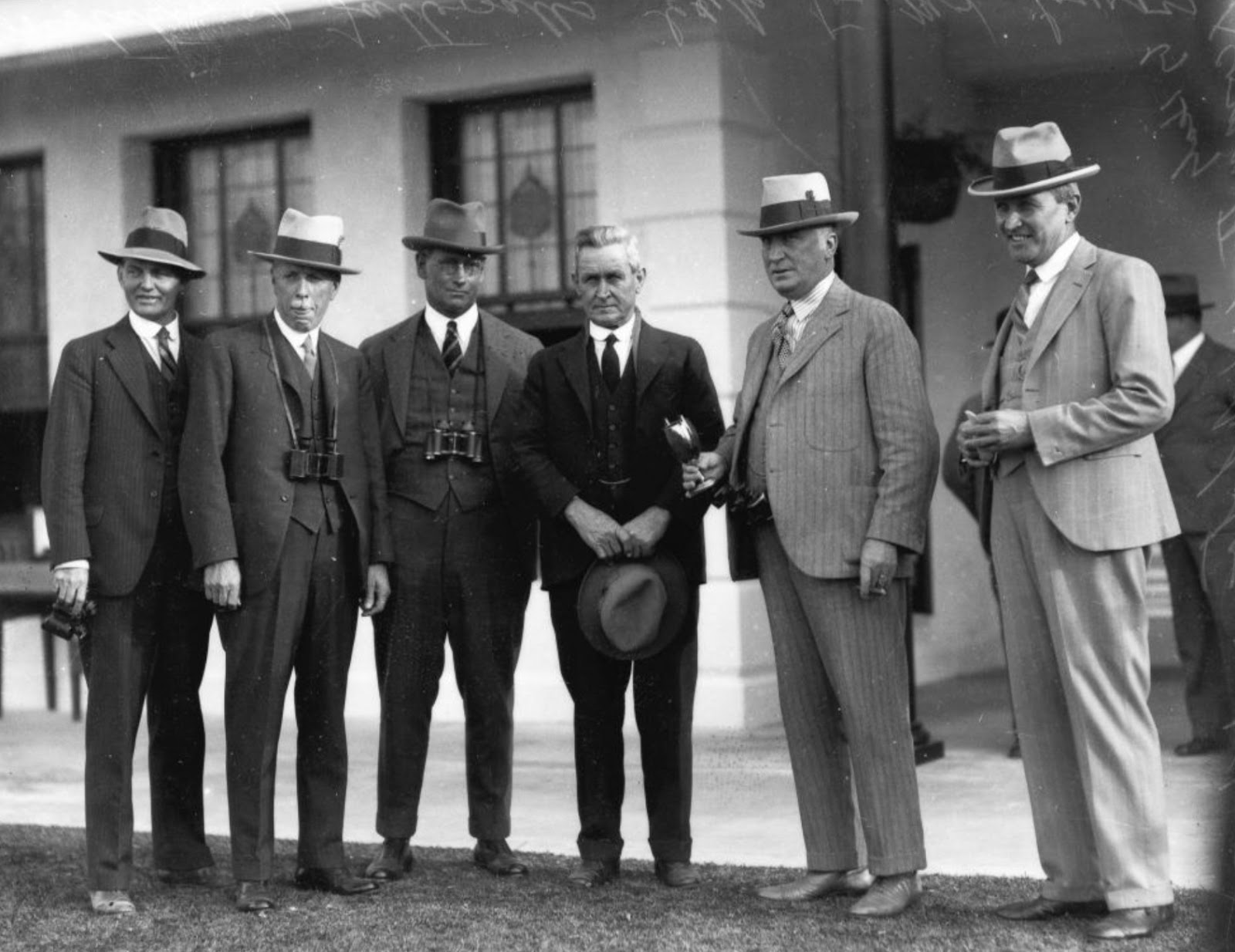
After the Jeffreys, Windmere became the property of Dr Ellis Murphy, who was originally from Randwick in NSW and moved to Brisbane in the 1920s. The doctor worked at Mater Public Hospital, Brisbane General Hospital, the Greenslopes Repatriation Hospital, and the Kenmore Sanatorium. He was also a part-time professor at the University of Queensland. 

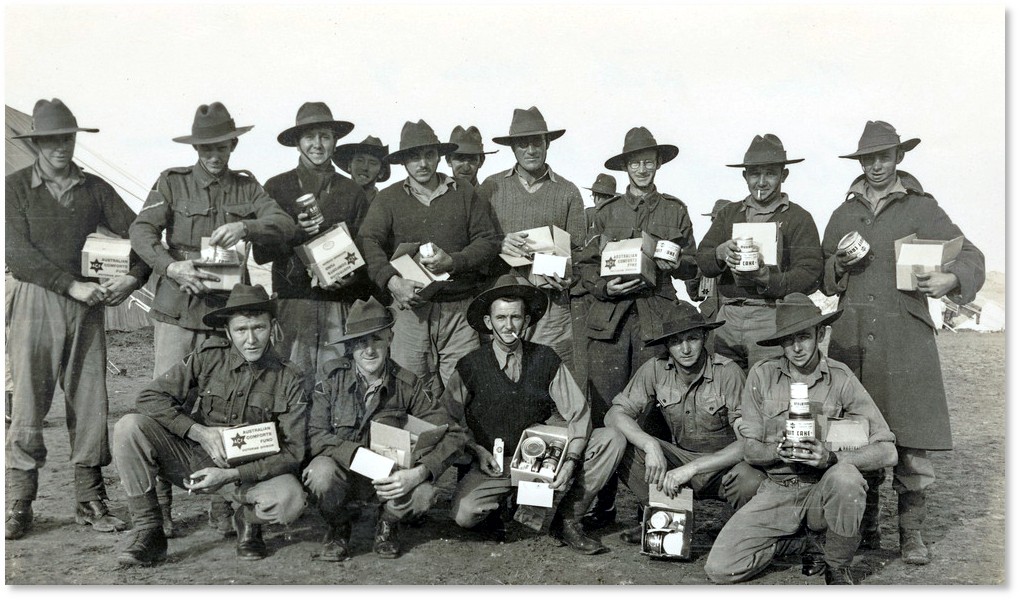
Dr Ellis Murphy served the war
Photo Credit: State Library of Queensland

The Murphys became the longest residents of Windemere to date, calling this beautiful house their home from 1928 to 1967. Dr Murphy was knighted for his service in medicine in the 1960s.

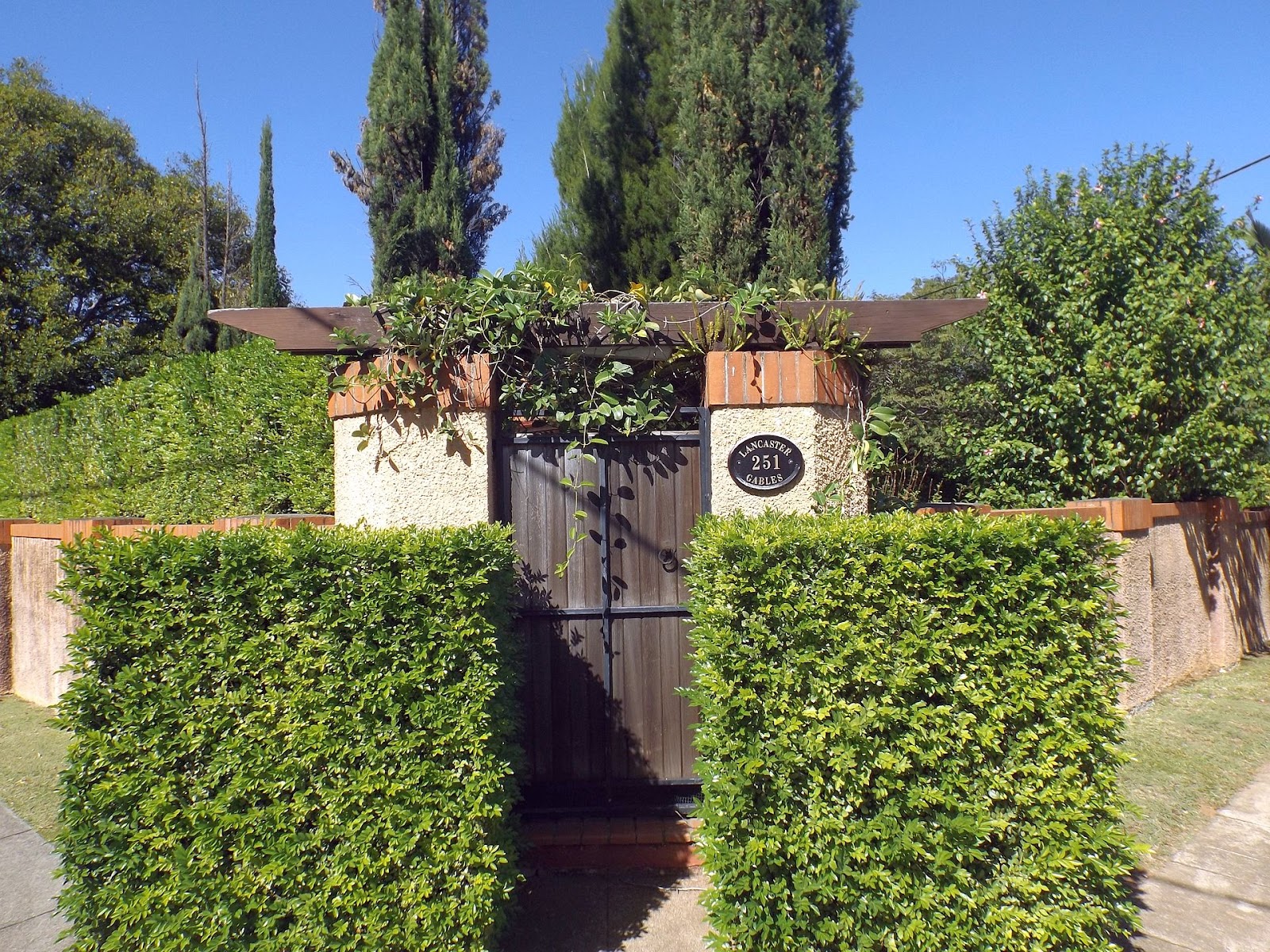
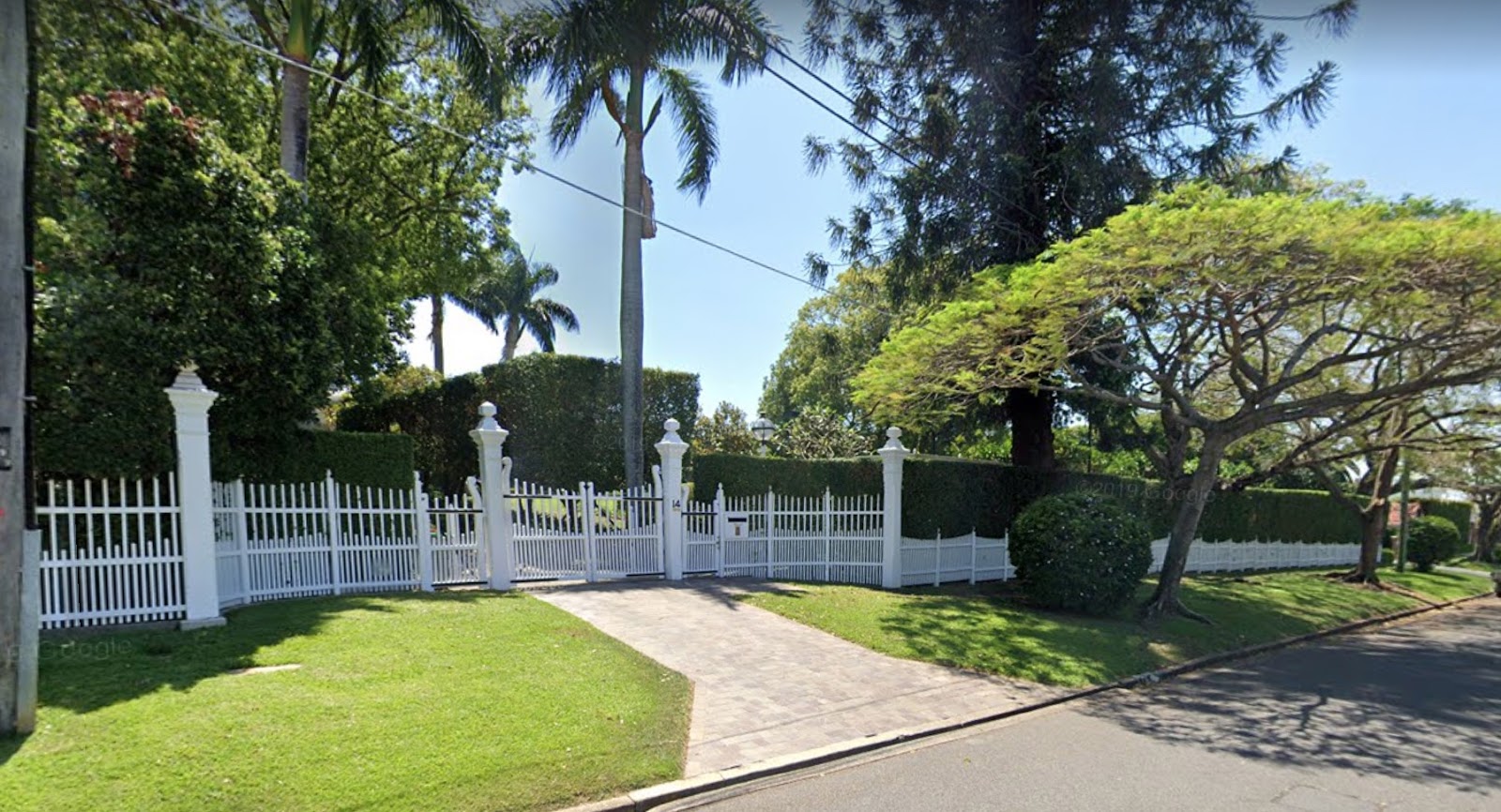
Windermere's gate
Photo Credit: Google Maps

After the Murphys, Barbara and Trevor Cottee lived in the property until 1984, when it was bought by Robert Geoffrey Bentley. Two years later, Peter Maloney would buy the house and conduct substantial modifications and home improvements, including the addition of a new bathroom and study on the north side and the removal of the bathroom and laundry at the back of the house. 

Windermere's lot
Photo Credit: Google Maps

The years between the 1990s and 2014 saw Windmere change hands a number of times. Chris Miers bought the house from pub baron Andrew Griffiths in 2014 for $10.2 million, a record-breaker for Brisbane at the time. The Miers family has since moved to Teneriffe.

In spectacular fashion, Windermere’s most recent changing of hands was in 2020, when its sale fetched another suburb record of $13 million after just three weeks on market.

Living in Sutherland Ave, Ascot

Sutherland Ave is a tightly-held market with 15 beautiful homes. More than half of the owner-occupiers of this street have lived in their impeccably kept houses for an average of 11 years. Only a quarter of homeowners in Sutherland Ave have stayed there for less than three years.


Other houses on this street are owned by an award-winning fashion designer, a real estate mogul, and an aviation CEO. Sutherland Ave’s other drawcard is its proximity to Ascot State School.

Brothers Rugby Union Club Kickstarts Modified Rugby Program Season

GingerCloud Foundation’s Modified Rugby Program (MRP) 2022 Season commences this April with seven Brisbane-based rugby union club venues participating including Brothers Rugby Union Club.


GingerCloud Foundation has announced that the MRP 2022 season will include one-hour training sessions and Saturday morning games. The games will be held in seven rugby union club venues:

  • Brothers Rugby Union Club
  • Norths Rugby Union Club
  • Wests Bulldogs Rugby Union Club
  • UQ Bullsharks Rugby Union Club
  • Souths Rugby Union Club
  • Easts Rugby Union Club
  • Caboolture Snakes Rugby Union Club

MRP training will commence the week of 18 April 2022. Training schedules per club are as follows:

ClubTraining Schedule
Brothers Rugby Union ClubThursdays, 4.30 pm- 5.30 pm
Norths Rugby ClubFridays, 4.30 pm – 5.30 pm
Souths Rugby ClubFridays, 4.30 pm – 5.30 pm
Wests Bulldogs Rugby Union ClubFridays, 4.45 pm  – 5.45 pm
Easts Rugby Union ClubFridays, 4 pm – 5 pm
UQ Bullsharks Rugby Union ClubFridays, 5 pm – 6 pm
Caboolture Snakes Rugby Union ClubTuesdays, 4.30 pm – 5.30 pm

The first MRP Game Day is slated for Saturday 30 April. Interested families are encouraged to register for the MRP Season 2022 by visiting this GingerCloud MRP page and Rugby Australia page or email GCSupport@gingercloud.org to learn more about the program.

Supporting inclusion of children who learn and perceive differently

The Modified Rugby Program (MRP) is the world’s first touch-only format of rugby union that is designed for young people with learning and perceptual disabilities. MRP allows families with disabilities to participate in a team sport that would otherwise not be accessible to them.

In 2013, GingerCloud Foundation’s co-founders Megan and Anthony Elliott, whose son Max has Autism and language disability, worked with Brothers Rugby Union Club president Ross McLennan to create a simplified version of rugby union so that kids with disabilities could also participate in the sport.

In 2014, MRP was launched at Brothers Junior Rugby Club and has since been rolled out in  Brisbane, Redlands, Toowoomba and Townsville, growing into a community of more than 300 participants, 32 teams in 13 clubs across Queensland and the ACT. In 2016, the Modified Rugby Program was endorsed by Rugby Australia as a new division of Rugby in the country. 

Key to the success of the program is the Allied Health Framework which, through the help of allied professionals, profiles and matches the young player with a disability with the PlayerMentor who could best provide the support and encouragement on and off-field. These PlayerMentors undergo online leadership training through GingerCloud’s Leadership Program.


MRP is separated into four divisions: MRP Junior (7-14 years old), MRP Colts (14-25 years old), MRP 7’s (Intermediate skill MRP Players) and MRP 7’s+ (Advanced skill MRP Players). Upon joining the program, the new player is automatically assigned to a Junior or Colts (depending on their age) and will be individually matched with a PlayerMentor. They will then be assessed to determine which division would be most appropriate for them.
Click here to learn more about GingerCloud Foundation and their programs supporting young people with Autism learning and perceptual disabilities.

Ascot State School: A Century of Learning and Growth

Ascot State School, which turned 100 in 2020, is celebrating its centenary belatedly in May 2022 due to the pandemic. The school has earned a well-deserved reputation for offering high-quality education for young minds. Know more about how the school has evolved over the past hundred years.

Oliver Jonker

Early Beginnings : Block A 

Ascot State School stands in the land that was traditionally occupied by the Turrbal and Jagera people in the late 1850s, which was subdivided after the opening of railways to the Eagle Farm Racecourse in 1882. Housing and community developments, however, took place after the turn of the century when the electrified tram to the racecourse opened along Kingsford Smith Drive and Racecourse Road.

By 1909, the Queensland Education system was established and compulsory school attendance was enforced. As the student numbers increased, plans were set in place for a state school in Ascot. 

In May 1914, a section of  Pringle, Anthony and Mayfield streets was purchased for the state school and a public meeting took place to solidify the intention. Coming up with the funds to build the school, however, fell short due to World War I. 


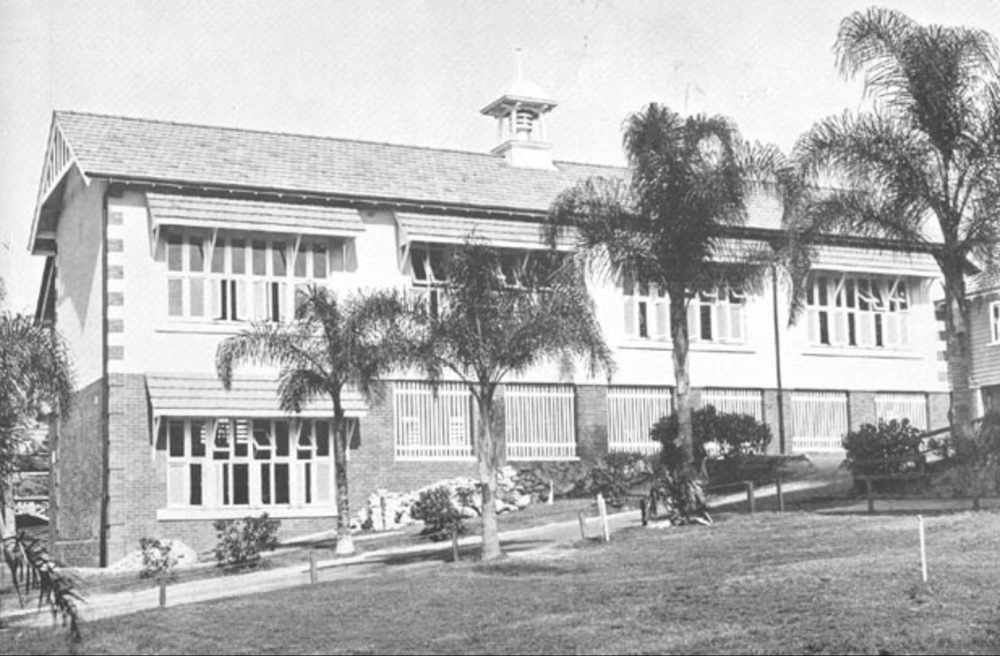
The approval for Ascot State School was granted in June 1919 and the following year, in May 1920, the school opened with 124 students. This building, which is still existing as Block A, was an attractive brick building with three classrooms with large windows for natural lighting, a verandah, and a teachers’ room.

Photo Credit: National Library of Australia

A Beautiful Learning Environment

From the very start, Ascot State School was envisioned as a beautiful learning environment for the kids with its strict tree-planting program for colourful flowering trees like Jaracandas and Poincianas. It had an extensive school ground designed for play-based education, outdoor activities, and sports.

Thomas Henderson, the first headteacher, who stayed with the community for 20 years, believed that a beautiful school will inspire better learning. He also appreciated the value of libraries and arranged to have a library and reading room for Ascot State School. He hired an art specialist for the school’s ambitious arts and crafts program.

Ascot State School
Photo Credit: National Library of Australia

Mr Henderson also thought of having mural paintings on classroom walls for educational purposes in the 1930s. Some of these included murals depicting the different agricultural, transport, and tourism industries of Queensland. There were no other murals of this kind in the region.

Meanwhile, the students were trained to learn gardening, which developed their aesthetic taste and improved their discipline. The kids also had access to an impressive array of playground equipment, a tennis court, and a swimming pool.

Photo Credit: National Library of Australia

Ascot State School followed the colonial curriculum, where kids are taught to read, write and learn arithmetic. Grammar, history, geography, needlework, and mechanics were subsequently introduced in the upper levels.

Community Engagement

By 1921, enrolment at Ascot State School doubled to 310 students thus additional funding from the government provided for the construction of the north wing, which is currently Block C. Here, additional play space and a gymnasium were incorporated along with more classrooms and a teachers’ room. The building was finished by 1923.

In 1927, Ascot State School had 568 students thus another plan to expand the site was underway. The addition of the southern block, now known as Block B, turned the school buildings into a U-shaped complex. This block with more classrooms for 200 kids officially opened in 1928.

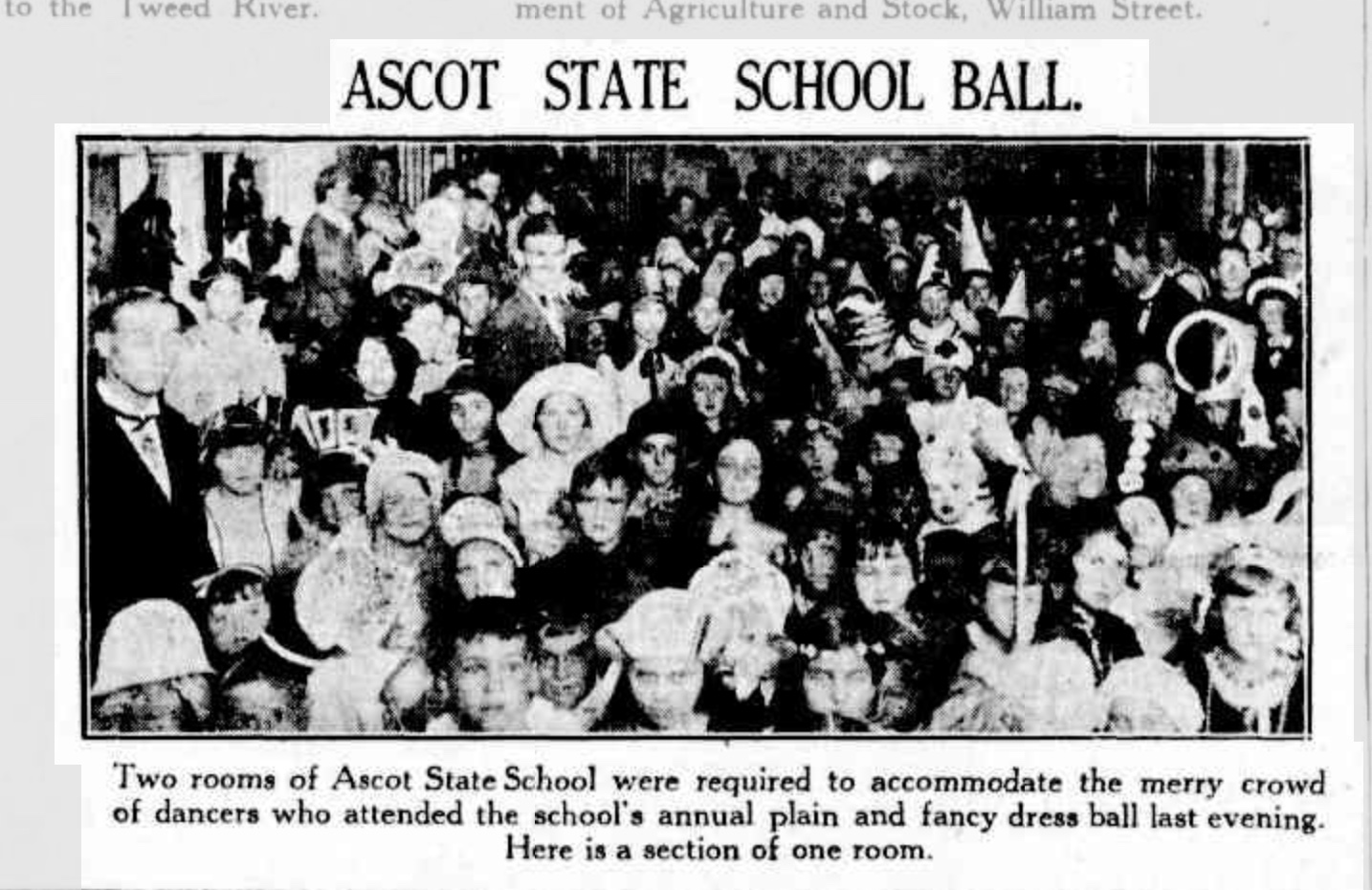
In the 1920s, the Ascot Show Society had its annual event at the Ascot State School grounds. Fancy balls, fundraisers, walkathons, and various community events were also held in the suburb with the state school as the popular venue. 

Community Activity at Ascot State School
Photo Credit: National Library of Australia
Community Activity at Ascot State School
Photo Credit: National Library of Australia

Impacts of the WWII

Funding stalled during the Great Depression in 1929, delaying the expansion of Ascot State School despite the increasing school population until 1932, with the extension of Block C with two more classrooms and lavatory facilities. Block B also had new lavatory facilities and a dress shed for the swimming pool. Between 1933 to 1939, further extensions were made to Ascot State School with three-storey buildings and ground enhancements, as well as a new tennis court to replace the old one. 


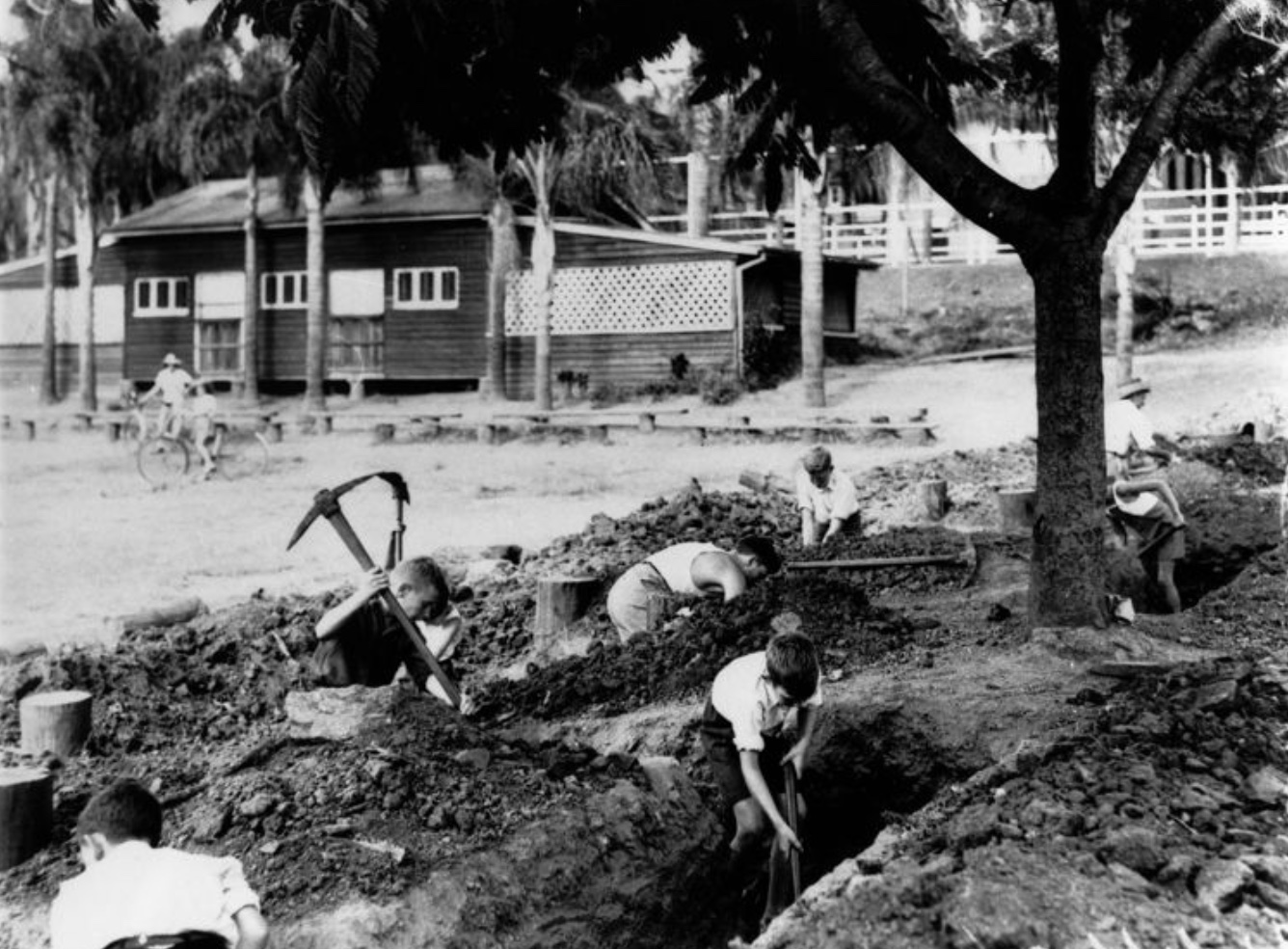
During World War II, the Queensland Government made school attendance optional. Slit trenches were dug on the ground in case of Japanese air raids. The students and staff also focused on growing produce and flowers to supply hospitals and the Red Cross canteens. They also organised fundraising events for Australian soldiers.

Slit trenches dug at Ascot State School during World War II
Photo Credit: State Library of Queensland

After the war, Brisbane’s population swelled, demanding more state education support. In response, new buildings were added to Ascot State School from the 1950s to the 1960s. In 1955, extensive drainage work was undertaken at the school grounds, leading to the upgrade of the Meibush Oval. 

From the 1970s to the 1980s, several alterations were undertaken for Blocks A, B and C to address the growing student numbers. The pool was also enlarged, while landscaping was enhanced.  

Ascot State School Today

Ascot State School has maintained its ranking as one of the best schools in Brisbane. From 120 students in 1920, the school has maintained a maximum enrolment capacity of 807 students per year.

The school also takes pride in the performance of its students in literacy and numeracy. In the National Assessment Program Literacy and Numeracy (NAPLAN), the school has a high percentage of students in the upper two bands in NAPLAN reading, with 87% in Year 3 in 2018.  

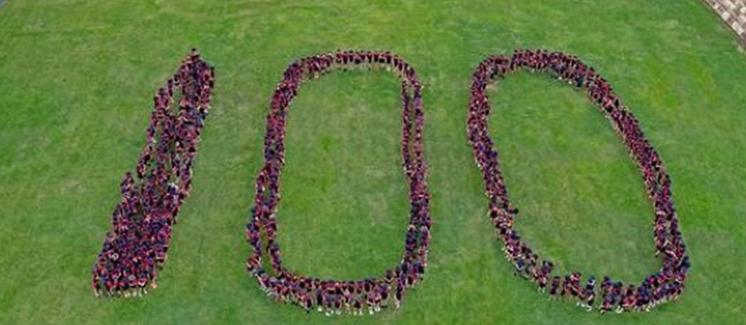
Photo Credit: Ascot State School 

The Ascot school community was supposed to celebrate its centennial in May 2020 but due to the pandemic restrictions, the celebratory affair has been moved to May 2022

Photo Credit: Ascot State School

Ascot State School has produced notable students like Nick Earls, author, Stephanie Rice, Olympic swimmer, Daniel Graham, film director, Henry George Fryberg, judge of the Supreme Court of Queensland, Adam Winning, radiologist, and musicians Grace Shaw and Avra Velis.

Eagle Street Pier is Back in Business!

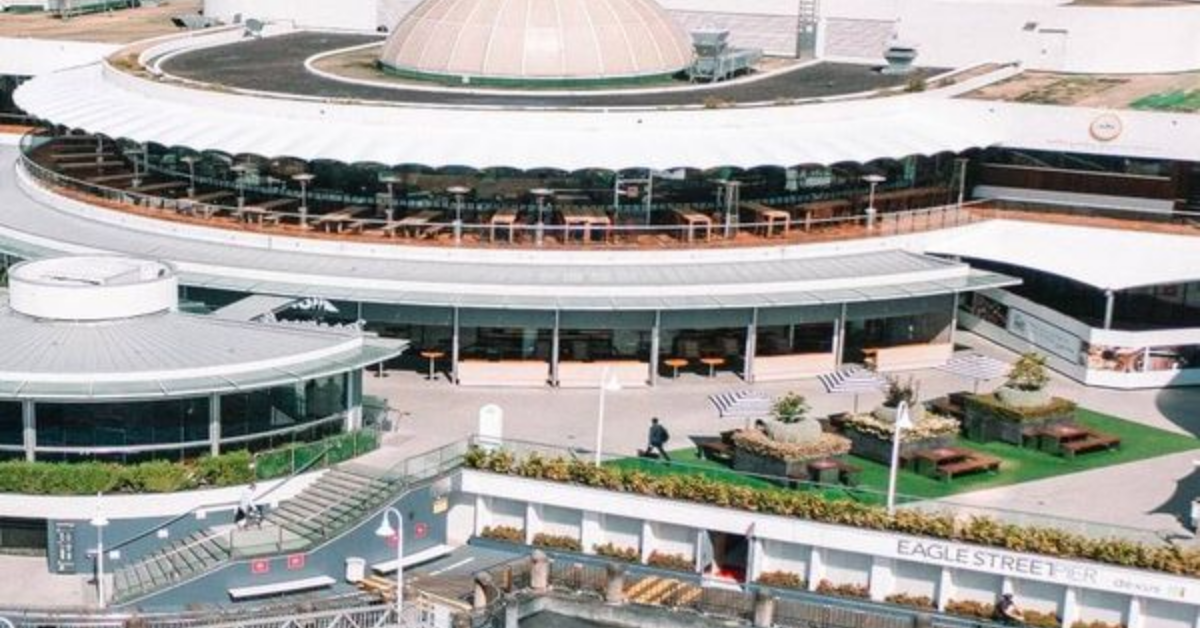
Brisbane’s premier riverside dining precinct, the Eagle Street Pier, has reopened, welcoming back visitors who have been eagerly waiting for a chance to dine out again after the heaviest flooding Brisbane has suffered in a decade.


After being closed for more than a week due to flooding, the iconic Brisbane waterfront precinct has opened its doors again beginning Monday, 7 March with The Bavarian, Grill’d and Guzman Y Gomez being the first venues to be back online. 

“Following what has been a challenging period with the floods and Covid-19 restrictions, Eagle Street Pier restaurants have done a great job in preparing their venues to welcome back diners, and now, are getting the tables set to open their doors again,” the statement said.

“The iconic Brisbane waterfront precinct is home to an array of dining options and Brisbane diners will be able to visit these restaurants once again with business as usual expected by end of the week.”

Photo Credit: Eagle_Street_Pier / Facebook

Here are the other dining venues and their reopening dates:

VenueReopening Date
City Winery9 March 
COPPA8 March
Fat Cow Steak and Lobster9 March
Rico Bar and Dining10 March
George’s Paragon10 March
Jade Buddha10 March
Mr & Mrs G Riverbar9 March
Naga Thai8 March
Saké Restaurant & Bar8 March

Fratelli Famous is closed until further notice whilst Kookaburra Showboat Cruises will remain closed until late April 2022.

“Eagle Street Pier and our restaurants hold special memories with a lot of Brisbane residents, and now is the time to support these restaurants after a challenging time,” Eagle Street Pier Centre Manager, Kelly Ferguson, said.

“The Eagle Street Pier venues are open and are looking forward to welcoming back diners and doing what they do best.”


Please note that the precinct’s car park is currently not accessible. Visitors are therefore advised to seek other parking arrangements by checking out Wilson Parking. Recommended locations to book your parking include 10 Eagle Street, 66 Eagle Street and 12 Creek Street.

Eagle_Street_Pier | 45 Eagle St, Brisbane City QLD 4000, Australia

Craft’d Grounds, Tenants: How Are They Holding up After the Albion Floods?

Craft’d Grounds was designed to be flood resilient in light of the 2011 floods but sadly, the recent weather event has been “unprecedented” and even this venue was not spared. How are they and their tenants holding up?


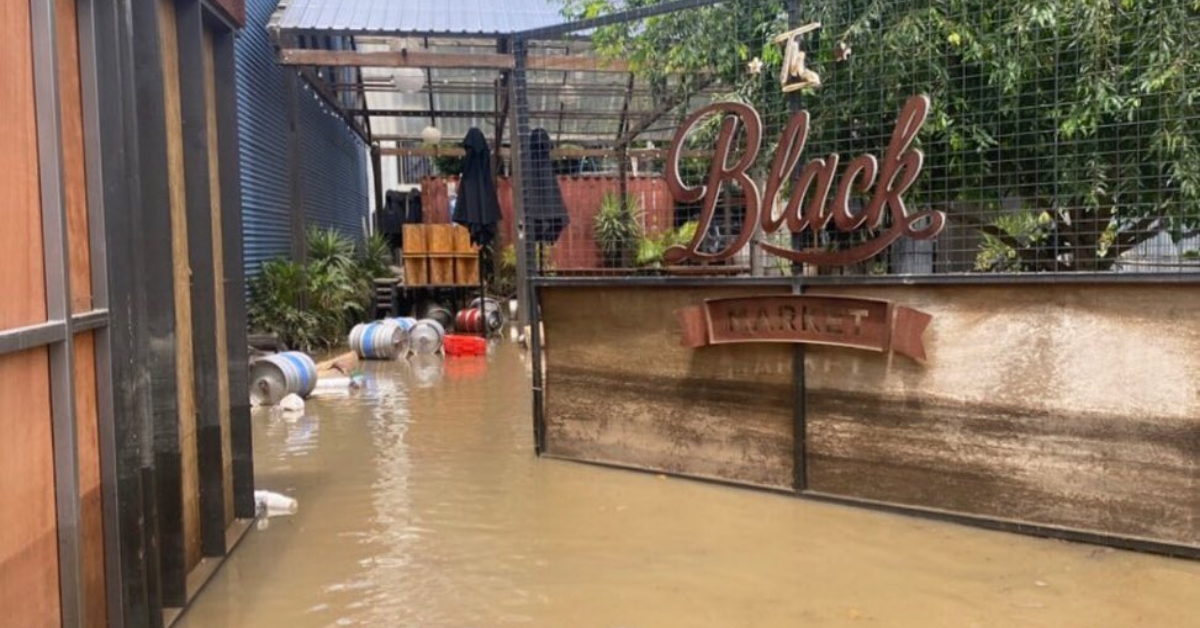
Craft’d Grounds is home to Seven Miles Coffee Roasters, Brewtide Brewing, K.I.S.S Burgers, Fightcross Gym and the soon-to-open Herves Restaurant and Bar. The venue along with next-door Collingwood Black Cafe & Bar was inundated with water that rose as high as one metre, damaging equipment, stock and packaging along with personal styling items, antiques and more. 

“We designed our beautiful precinct to withstand levels above the 2011 floods, but, here we are! Completely inundated,” Craft’d Grounds’ Instagram post reads, “but we’re not giving up.”

“With the water came mud, amongst other things. We are devastated and so many have lost so much. Whilst there is building insurance for such events, that never extends to equipment, stock and packaging & insurance can take so long.”

The owners have yet to reveal the cost of the damage but they estimate that it will take about two months to put everything up and running again. 

With volunteers helping with the cleanup, Craft’d Grounds was able to reopen its cafe side of the business with plans to open a temporary liquor store to keep the business running.

K.I.S.S. Burgers

“It’s safe to say Brissy has had a chaotic last couple of days. For now, stay tuned for any updates from us,” Kiss Burgers wrote on their social media update.

Brewtide Brewery

Brisbane’s brewing industry has put together a fundraising event to help breweries that were badly affected by the recent flooding, including Brewtide. The event happens on 12 March at Easy Times Brewing Co.

Photo Credit: Easy Times Brewing Co. / Facebook

Fightcross MMA and Fitness Albion

“Thanks to all those that helped with the cleanup of the recent flooding in Collingwood St 

Our gym is back open and we are ready to train!  Come down and enjoy our wonderful community in Craft’d Grounds,” the martial arts and fitness centre wrote on their social media.

“Next week as a thank you for the help our members gave to the community we will be doing something special! Something we have never done before! Keep an eye out!” 

Collingwood Black Espresso & Bar and The Black Market Albion

“We’ve lost a lot of stuff over the past few days, but we’ve been reminded about how awesome our community is too. 🧡🧡 We’ve had so many lovely folks wade through gross water and mud to help clean our space,” Collingwood Black Espresso & Bar’s social media post reads.

The cafe and bar is expected to reopen in three weeks to fulfil their prior commitments.


“We’d appreciate any small donation to our fund below to help cover costs to rebuild and restock. Please feel free to share! 🖤 https://gofund.me/825a9976 👈🏼👈🏼🖤,” reads The Black Market Albion’s post.

Photo Credit: The Black Market Albion / Facebook

Help restore Collingwood Black & Craft’d Grounds by donating through their GoFundMe page. The fundraiser has so far raised $6,384 of its $10,000 goal.

New Qantas Flight Training Centre Lands at Brisbane Airport

Qantas has unveiled its new flight training facility adjacent to Brisbane Airport that can accommodate up to 900 pilots a year and will also be accessible to other airlines in the Asia-Pacific region.


The Qantas Group Flight Training Centre, which houses four state-of-the-art aircraft simulators – Boeing 737, 767F and 787 Dreamliner and Dash-8 Q400 plus a Q400 flight training device, used to be located in Sydney. The facility had to be moved to Brisbane to make way for the major road work taking place around Sydney Airport.

Queensland is currently home to more than 500 Qantas pilots who will now have access to the new Brisbane-based training facility for their recurrent training, along with other pilots from neighbouring states and future recruits.

The new training facility will also complement the pilot academy which recently opened in Toowoomba. The new academy which can train up to 250 pilots per year can now have its student pilots go straight to the new facility instead of completing their training program in Sydney.

Photo Credit: Qantas / Facebook

“We are pleased this state-of-the-art facility in Brisbane will mean a pilot can start their career at the Toowoomba Pilot Training Academy, complete their training at the Brisbane simulator centre and then embark on a Qantas Group career flying from their Queensland home base to everywhere from Longreach to Los Angeles,” Qantas Group CEO Alan Joyce said

The facility will also be opened to other airlines in the Asia-Pacific region, which means that small flag carriers can now take advantage of the new training facility’s simulators for new-recruit training, tenured pilots’ upskilling, and ongoing training.

The transfer of the training facility to Brisbane Airport was made possible through the State Government’s support. Treasurer and Minister for Trade and Investment Cameron Dick said that the partnership brings “extra aviation training capability to Queensland and creates new employment opportunities for training pilots and simulator technicians, including 18 new direct operational jobs.”


“This suite of flight training simulators reinforces Queensland’s pre-eminence as a destination of choice for the aerospace and aviation support industries,” Mr Dick said

“In a state as vast as Queensland, with our proximity to Asia and the Pacific, aviation industries are a natural fit. Our government is determined to make the most of our competitive advantages when it comes to attracting aerospace companies and aerospace jobs, right across Queensland.

“These simulators mean Queensland-based flight crew don’t have to leave the state to complete their ongoing training.”

New Ascot and Hamilton Townhouses Proposed at Stevenson Street and Nudgee Road

A proposal has been lodged, seeking to establish multiple dwelling units at the corner of Stevenson Street, Ascot and Nudgee Road, Hamilton.


Located at 89-95 Stevenson Street, Ascot and 20-24 Nudgee Road, Hamilton, the proposed development will comprise a total of 16 dwelling units of which 14 units will contain three bedrooms. There will be two 4-bedroom pre-1946 houses which will also be incorporated into the townhouse development plan designed by Plus Architecture. The existing dwellings will retain their existing driveway crossover and car parking to Stevenson Street.

Proposed site | Photo Credit: Brisbane City Council / developmenti.brisbane.qld.gov.au
Existing Pre-1946 Dwelling Houses at 89-95 Stevenson Street, Hamilton | Photo Credit: Brisbane City Council / developmenti.brisbane.qld.gov.au

“The retention and integration of the pre-1946 dwelling houses maintains a traditional building character, while the proposed new townhouses provide a high-quality and contemporary design outcome that responds to the continually developing and diverse streetscape of Stevenson Street and Nudgee Road, while remaining respectful of the materiality and architectural themes of the remaining pre-1946 character of the street and surrounding locality,” a report from Mewing Planning Consultants assessment said.

Photo Credit: Brisbane City Council / developmenti.brisbane.qld.gov.au

The proposed building will be two storeys high with a maximum height of 9.5 metres. There will also be 37 car parking spaces including 28 residential spaces in private garages; four visitor parking spaces on the basement level; four spaces at the ground level within the house garages situated on Stevenson Street, and one parking space on the driveway located on the ground level of the western house. 

Photo Credit: Brisbane City Council / developmenti.brisbane.qld.gov.au

The proposed vehicle access, on the other hand, is via a new 7-metre Type B1 crossover from Stevenson Street, in between the two existing dwellings. A total of 518 sqm of deep planting is also proposed (215 sqm to Nudgee Road and 303 sqm to Stevenson Street frontage), as well as the southern side boundary.


Communal space area | Photo Credit: Brisbane City Council / developmenti.brisbane.qld.gov.au

All dwelling units will also be provided with a functional private open space area via courtyards on the ground level which will be accessible from the main living area. 

Moreover, a communal space area to the south-eastern part of the proposed site is also included in the plan. The communal open space will feature a pool, communal lounge area, an open-turf space on the ground level, and an open space roof deck on the upper level.

Did You Know that the Eagle Farm Racecourse Was a Military Camp in WW2?

For more than 150 years, the Eagle Farm Racecourse has been highly regarded as one of Queensland’s best racecourses. Did you know that it was once called Camp Ascot, the first military camp established by US Army troops in Australia during the Second World War?

Horseracing in Eagle Farm

Queenslanders enjoyed horse racing before the 1850s in Moreton Bay and New Farm.

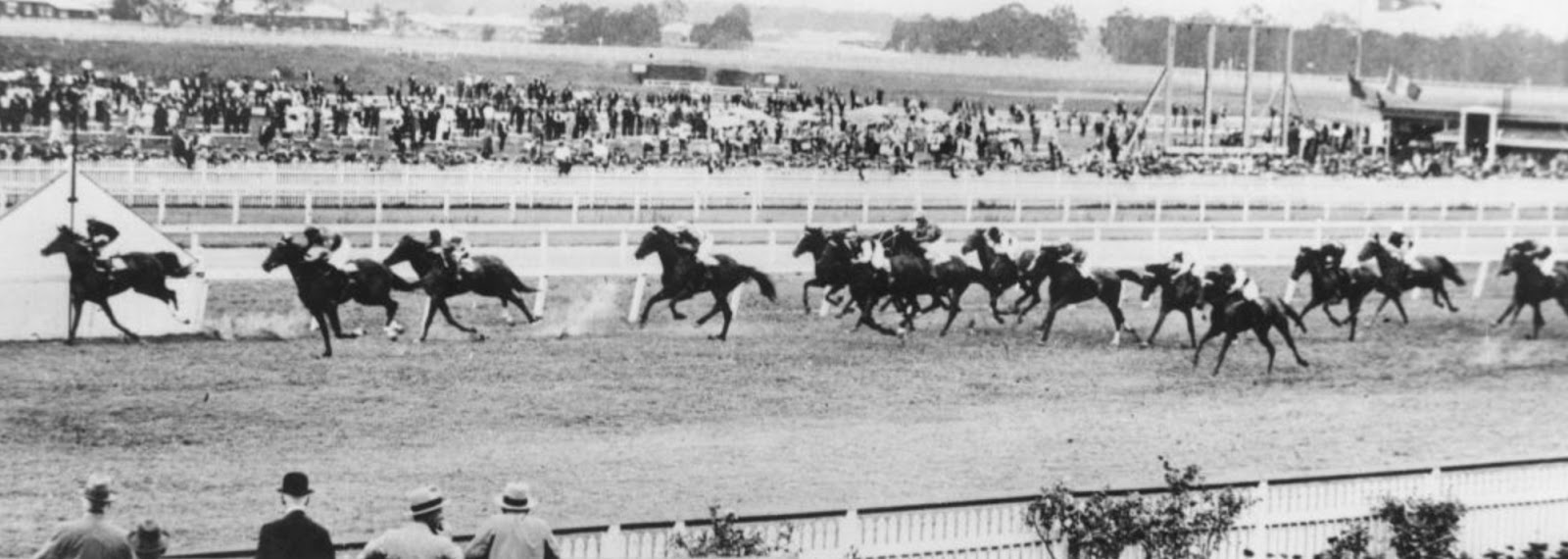
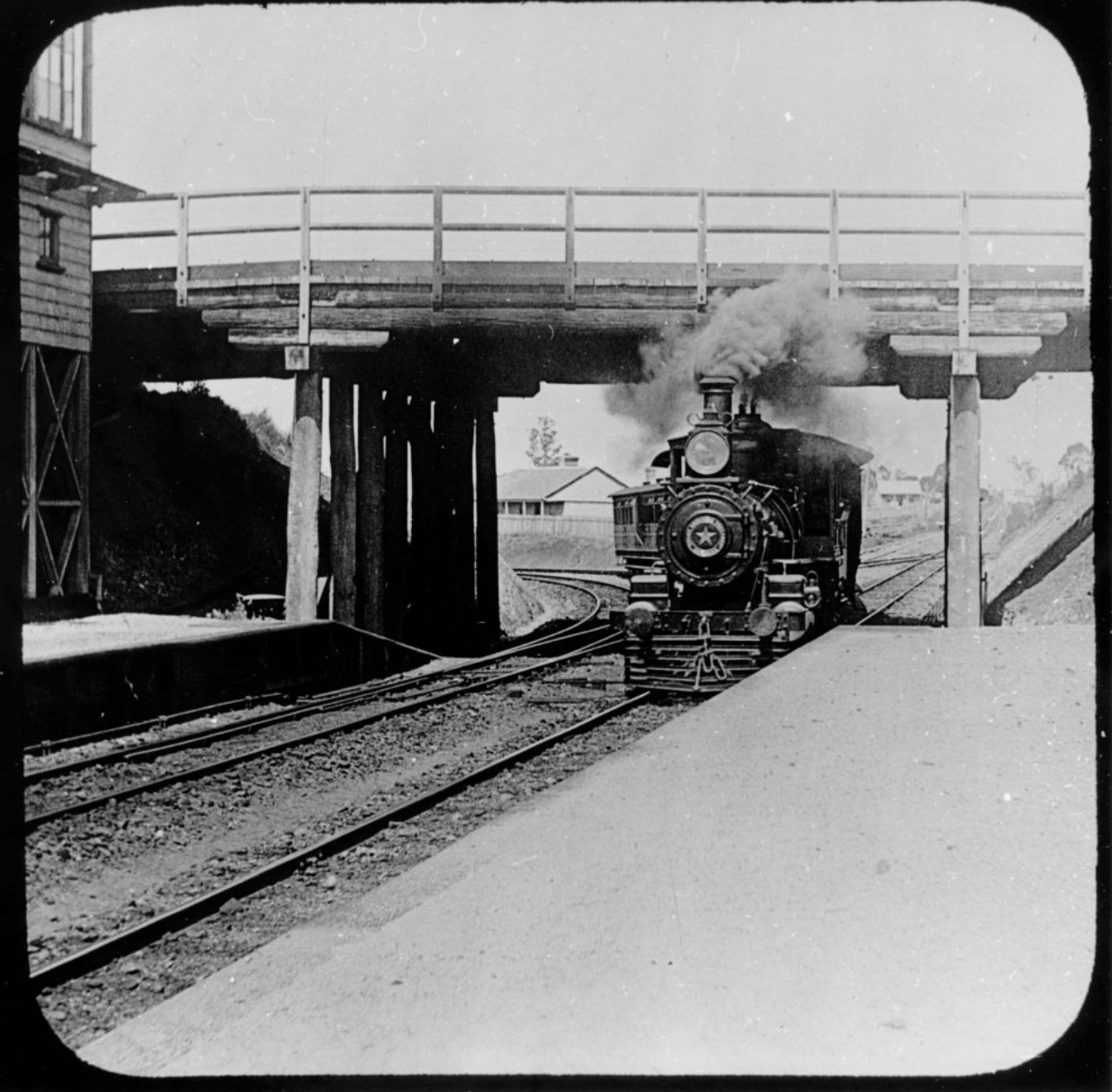
Following the closure of the New Farm racecourse in the 1860s, a new site with a grandstand that could seat 350 people was planned in Ascot. The opening of the Ascot Railway Station a few years later brought more race-goers to the racecourse.

Established in 1863, the site then known as Ascot Racecourse or Brisbane Racecourse did not just host horse racing activities but also social and business events.

A news feature on Eagle Farm Racecourse from the 1880s.
Photo Credit: Trove/National Library of Australia

Upon the opening of the Eagle Farm Racecourse, the Queensland Turf Club (QTC) assumed leadership and created the Brisbane Racecourse Act in the 1870s. QTC also sought to offer the facilities for other purposes to fund its maintenance and operation. Thus, cricket and polo matches, as well as various club events and meetings, were also hosted on the racecourse.

Racegoers watching a close race.
Photo Credit: Trove/National Library of Australia

Between the 1880s to the 1930s, the Eagle Farm Racecourse saw a lot of expansions and improvements to address the congestion as railway facilities were updated with more stations in the northside amidst the boom in the racing industry.

More news about the racecourse developments.
Photo Credit: Trove/National Library of Australia
The new Leger Stand.
Photo Credit: State Library of Queensland

Before World War II, the racecourse had an overhead pedestrian bridge, a new Members’ Stand, a lavatory block, and an extension to the St Leger Stand. 

1941: Building Camp Ascot and Camp Doomben

On the 22nd of December in 1941, the ‘Pensacola’ Convoy reached Brisbane’s Brett’s Wharf at Hamilton. The first US Army troops marched up Racecourse Road and there they established tented sites, Camp Ascot and Camp Doomben, at the racecourses. 

Camp Ascot military tents.
Photo Credit: Brisbane City Council Library

During the war, the only racecourse to operate as intended was the Albion Race Track.


As an important sporting and recreation facility in Brisbane, Queenslanders did not allow the Americans to alter the buildings or damage the three concentric racetracks. Inspite of that, the Americans still received personal items, such as writing paper, library books and magazines from the Australian Comforts Fund.

1942: Arrival of the 648th US Engineer Regiment

The US Engineer Regiment described the camp as a “big fancy racetrack” in spite of its meagre facilities. The troops had to chop wood every day to supply the kitchen’s fireplace. The kitchen itself only had a makeshift tin shack with coal stoves, an open hearth with primitive utensils. The men slept on the wooden floors of their tents and bathed in the open-air showers.

The entrance to Eagle Farm Racecourse Camp Ascot.
Photo Credit: Brisbane City Council Library

1943-1944: Camp Turns Into Tent City

Colonel Harold Doud’s Special Intelligence Service (SIS)  relocated into Camp Ascot, which was packed with U.S. Army Bell Tents. They placed a temporary movie theatre in the main grandstand and added two warehouses including a Mess Hall with a reading room in the member’s car park. They placed prefabricated, de-mountable huts around the camp but outside the fenced racing circle.

The tented army camp at the Eagle Farm Racecourse
Photo Credit: Brisbane City Council Library
The officers at Camp Ascot
Photo Credit: Australian War Memorial

By August 1945, the SIS vacated Camp Ascot and moved to San Miguel in the Philippines.

In May 1946, the Victory Cup Meeting marked the return of racing to the Eagle Farm Racecourse.

Additional features like a camera tower, the Judge’s Box, the John Power Stand, and the Race Day Stalls were added to the site between the 1950s to the 1980s.

Eagle Farm Racecourse Today

The  Eagle Farm Racecourse was listed on the Queensland Heritage Register in 2004 as a combined entry with the Ascot Railway Station. The Brisbane Racing Club (BRC) now manages the racecourse after a merger with the QTC. 

The BRC upgraded the racetracks and associated facilities following a $1.2 billion development project. The BRC also introduce non-racing developments with the continued operation for the racing facilities.


A new access road and a residential tower, as well as a boutique hotel, were completed in 2018. The racecourse could also accommodate over 1,600 cars in its refurbished carpark during major race days. 

Meanwhile, the Ascot Railway Station was electrified in 1988. Passenger service lines have been limited to Doomben in 1998, where there are newer bus connections.

World-Class Hypersonic Precinct Opens in Eagle Farm

Did you know that Eagle Farm is now the home of a new Australian Hypersonic Research Precinct, where defence experts will study the technology and conduct flight tests of hypersonic weapons and vehicles?


With a 60-personnel under its wing, the world-class hypersonic precinct in Eagle Farm was purposely-built for $14 million to improve and innovate the science and technology of the Australian Defence.

“It’s a complex technological challenge to build vehicles capable of flying at five times the speed of sound, that skim the stratosphere, to target any location on the planet,” Minister for Defence the Hon Peter Dutton MP said

“The technology that is developed here will help us to better defend against the malign use of this technology and give us the ability to strike any potential adversaries from a distance and deter aggression against Australia’s national interests.

“It enables Defence researchers to develop and characterise sovereign hypersonic technologies and generate ‘true’ hypersonic flight conditions at large scale in a classified laboratory.”

It comes as Australia and the United States signed an agreement in December 2020 to develop and test hypersonic cruise missile prototypes. Hypersonic technology can exceed the speed of sound by five times or at 6,200 kilometres per hour. Hypersonic drones and weapons, on the other hand, are shaped to manoeuvre and evade radar detection.


Whilst the opening of the Eagle Farm research facility is a step in the right direction, Australia is challenged to develop the high-technology as China and Russia have been taking the lead in their capabilities to deploy hypersonic weapons. 

Nyrambla: Ascot Spy House Spills Its Secrets

Spying in Ascot? Find out how Nyrambla, a historic home on Henry Street, became a top-secret decoding base in the Second World War.

A Banker’s Home

More than a century after it was built, Nyrambla still stands proudly at Henry Street in Ascot, after having been many things to many people — home to a banker, an alderman, prominent society personalities, even serving as headquarters for code-breakers in the Second World War.

Nyrambla was originally built in 1885 during a time when grand residences were built on the apexes of the hilly suburb of Ascot. 

Designed to be a two-storey family house by Brisbane architect James Cowlishaw, Nyrambla took up three large estates spanning from Windermere and Lancaster Roads. It had separate structures for the servants and the stables.

The house was designed for the manager of the Australian Joint Stock Bank, Mr Henry P Abbott.

Per historical records from Brisbane’s Local Heritage places, the Abbotts came from a family of wealthy sheep ranchers in New South Wales and named their home “Nyrambla” after a station owned by Mrs Abbott’s side of the family.  

Shortly after Mr Abbott’s retirement from banking, his family decided to return to Sydney where he died in 1903. When the Abbotts left, the Australian Joint Stock Bank rented out the mansion to Mr Patrick Perkins, a Member of the Legislative Assembly of Queensland who came from a family of Irish brewers.

The Subdivision of Nyrambla

By the early 1900s, Nyrambla was subsequently divided to include more tenants thus creating Henry and Abbott streets around the 15-acre estate, as it has existed today. Mr T. Herbert Brown, the son-in-law of Sir Samuel Griffith, the inaugural Chief Justice of Australia, lived in one of the properties with his wife. 

Nyrambla undated photo
Photo Credit: John Oxley Library, State Library of Queensland

The bank then advertised and sold the estate in allotments of different sizes. An acre of the site with the original house was acquired by Edward David Miles, an alderman in Charters Towers and a Member of the Queensland Legislative Council. 

old advert for Nyrambla
Photo Credit: Trove/National Library of Australia

Ten years after owning Nyrambla in the mid-1920s, the Miles family sold the property to George Willoughby Whatmore of Centennial Hall Ltd and the Willoughby Trust Ltd. Generations of Mr Whatmore’s family owned Nyrambla, including Brisbane socialite Andree Daws, Mr Whatmore’s great-great-grandchild, until her death in August 2020. 

society announcement
Photo Credit: Trove/National Library of Australia
Nyrambla undated photograph
Photo Credit: Trove/National Library of Australia

Converting Nyrambla into Flats

In 1929, or roughly four years after their patriarch’s death, the Whatmore family agreed to convert Nyrambla from a sprawling mansion into six flats with Cunningham & Jones overseeing the construction. From its main entrance on Yabba Street, the house could now be accessed through Henry Street, much like it is today.
The flats remained family homes, where numerous social events took place among Ascot’s elites. 

event clipping
Photo Credit: Trove/National Library of Australia
children's party clipping
Photo Credit: Trove/National Library of Australia

…Then it Became a Spy House

Then in the 1940s, the government requisitioned Nyrambla as a spy house for the Allied Forces led by U.S. General Douglas MacArthur and Australian General Thomas Blamey.

For the next three years, the 18 enlisted servicemen and six officers of U.S. 837th Signal Service Detachment and members of the Australian Women’s Army Service (AWAS) and cryptanalyst from the Australian Cypher Section worked at the back garage to decipher intercepted Japanese codes using a Typex machine and IBM tabulators. The decoded messages were transmitted to Allied bases from all over the world.

World War II officers at Nyrambla
Photo Credit: Ozatwar.com

“At Nyrambla, Central Bureau decrypted a Japanese Army Air Service signal intercepted by No. 51 Wireless Section at Darwin. The signal contained the Commander-in-Chief of the Combined Japanese Fleet, Admiral Isoroku Yamamoto’s itinerary for his forthcoming trip to Rabaul. As a result, on 18 April 1943, Yamamoto’s aircraft was intercepted off Bouganville by US P-38 Lightning fighters and he was killed. In May 1943, the 837th Signal Service Detachment was renamed Special Intelligence Service led by Colonel Harold Doud,” per historical accounts from the Queensland WWI Historic Places. 
Nyrambla Today

Nyrambla through the years
Photo Credit: Lost Brisbane

In its modern existence, the former spy house became a nine-bedroom house with seven bathrooms, six-car garage spaces, two sunrooms, with a living room area on the second floor. It had a separate guest wing as well as an art studio for its last Whatmore descendant, the Daws. 

Nyrambla interior photos
Photo Credits: Lost Brisbane, Ray White Real Estate, Facebook

Despite countless renovations, Nyrambla kept most of its late Victorian features with a hipped corrugated iron roof, iron cresting and finials, and street-facing gable. Each story of the house is featured with a verandah with a metal curved roof in the typical fashion of 19th-century dwellings.

The verandah levels are fortified with timber posts and top rails with cast-iron balusters, whilst tall, vertical arched windows are featured on the right sidewalls. The house itself is an elongated rectangular structure with U-shaped wings on the backside where the kitchen, the breakfast room, and the maid’s quarters are located. 

The long rooms of the main house are divided using folding doors. Six bedrooms and a sitting room fill up the spaces on the second floor, whilst several fireplaces with tiled hearths and marble mantelpieces are found all over the house.

New Owners

The Central Bureau consisting of soldiers from Australia, the USA, Britain, Canada, and New Zealand used Nyrambla until 1945, whilst titles to the property stayed with the Whatmore family. Over seven decades, Nyrambla was called home by many tenants, who were Brisbane VIPs like Jan Powers, Billie Brown, and Blair Edmonds.


A private investor acquired this Ascot historical treasure in May 2021 for nearly $9 million after tight competition among interested buyers.